
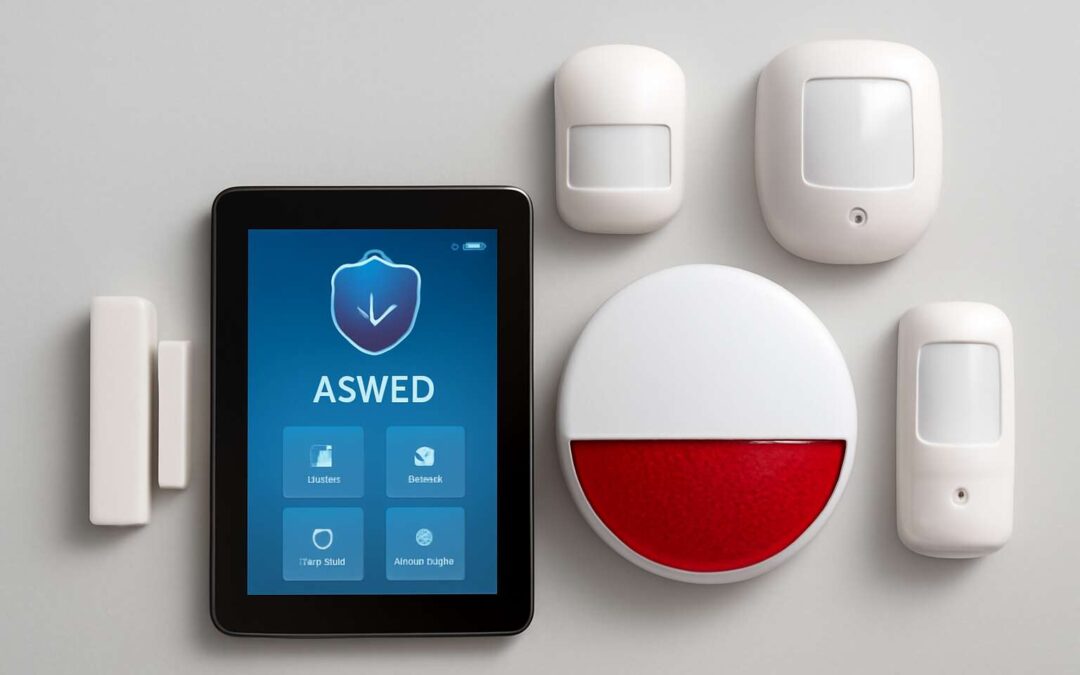
Understanding Security Alarm Systems
Introduction to Security Alarm Systems – Overview of what security alarm systems are and their importance for home and business safety.
Picture a silent guardian, ever-watchful, silently safeguarding your sanctuary—this is the essence of a security alarm system. In a world where safety is paramount, understanding how security alarm system works becomes crucial for homeowners and business owners alike. These systems serve as the first line of defense, detecting unauthorized entry and alerting occupants or authorities instantly.
At its core, a security alarm system integrates sensors, control panels, and communication devices that work harmoniously to provide comprehensive protection. When a breach occurs, such as a door or window being opened unexpectedly, the sensors activate, sending signals to the control panel. From there, an alert is triggered, which can include sirens, notifications to a monitoring center, or direct communication to the property owner. This seamless interaction exemplifies how security alarm system works, blending technology with instinct to thwart potential threats effectively.
Understanding the intricacies of these systems reveals their importance—not just as reactive tools but as proactive guardians that deter crime and ensure peace of mind. In South Africa, where safety concerns are ever-present, deploying a security alarm system isn’t merely a choice; it’s a necessity that embodies both technological ingenuity and social responsibility.

Types of Security Alarm Systems – Discussing wired, wireless, monitored, and unmonitored alarm systems.
Understanding how security alarm system works begins with recognizing the different types that form the backbone of any comprehensive security strategy. Each variation offers a unique method of safeguarding your property, tailored to specific needs and environments. In South Africa, where safety concerns are ever-present, choosing the right alarm system is vital for peace of mind.
Wired alarm systems, for instance, rely on physical connections—copper or fiber-optic cables—that link sensors directly to a central control panel. While robust and less susceptible to hacking, they require extensive installation work, making them ideal for new builds or major renovations. On the other hand, wireless alarm systems utilize radio signals to communicate between sensors and the control panel, offering flexibility and ease of installation. This type is particularly popular for existing structures or temporary setups.
Monitoring options further diversify the landscape of security alarm systems. Monitored systems connect to a professional monitoring center that responds instantly when an alarm is triggered, ensuring rapid response even if the homeowner is absent. Conversely, unmonitored systems depend solely on built-in sirens or notifications to alert occupants, often more affordable but less immediate in response. These variations highlight how each system’s architecture influences how security alarm system works, emphasizing the importance of choosing a solution aligned with your safety priorities.
Key Components of a Security Alarm System – Exploring sensors, control panels, alarms, and communication devices.
Understanding how security alarm system works hinges on recognizing its core components—each playing a vital role in safeguarding your property. These systems are not just about alarms; they are intricate networks designed to detect, alert, and communicate threats instantaneously. At the heart are sensors, the vigilant eyes and ears that monitor for intrusions or anomalies.
Control panels act as the brain of the system, processing signals from sensors and determining when to trigger alarms or notifications. They are the central hub that coordinates the entire security network. Communication devices—whether wired or wireless—ensure seamless connectivity, allowing alerts to reach homeowners or monitoring centers swiftly. Here’s a quick overview of key components:
- Sensors: Motion detectors, door/window contacts, glass break sensors
- Control panels: Central processing units that manage signals and system status
- Alarms: Sirens or flashing lights designed to deter intruders and alert occupants
- Communication devices: GSM modules, internet modules, or landlines that transmit alerts
Each element works synergistically, creating a layered defense that truly reveals how security alarm system works—turning silent security into a loud, unmistakable warning. When all components operate in harmony, they form an unbreakable shield against threats, giving peace of mind that’s hard to match.
How Security Alarm Systems Detect Intrusions
Sensors and Detectors – Explanation of different sensors such as motion detectors, door/window sensors, glass-break sensors.
Understanding how security alarm system works begins with recognizing the vital role played by sensors and detectors. These components act as vigilant sentinels, constantly scanning for signs of intrusion or unexpected activity. Each sensor is designed to respond to specific stimuli, creating a layered and highly effective security network. For instance, motion detectors are incredibly sensitive—capable of picking up even the slightest movement within a room. When triggered, they send immediate signals to the control panel, activating the alarm system.
Door and window sensors are equally crucial, forming a physical barrier that detects when entry points are compromised. They typically consist of magnetic contacts that break apart when a door or window is opened, alerting the system instantly. Glass-break sensors add another layer of protection, using sound or vibration analysis to identify the distinctive shattering noise of a window being broken. This comprehensive approach ensures that every vulnerable point is monitored, providing peace of mind.
- Motion detectors
- Door/window sensors
- Glass-break sensors
By integrating these sensors with sophisticated control panels and communication devices, a security alarm system offers real-time alerts and quick responses. This synergy is what makes understanding how security alarm system works so vital in safeguarding homes and businesses across South Africa.
Detection Methods – How sensors identify unauthorized entry using infrared, magnetic, sound, and other detection technologies.
In the silent vigil of security, sensors serve as the vigilant eyes and ears—detecting the unseen and the unheard. They employ a symphony of detection methods, each tuned to a specific whisper of intrusion. Infrared sensors, for instance, cast an invisible net that senses heat signatures—picking up the faintest movement of a lurking intruder. Magnetic sensors, on the other hand, act as the guardians of entry points; when a door or window is tampered with, these sensors break their magnetic bond, instantly alerting the system.
Sound detection technology adds yet another layer—listening intently for the shattering cry of glass or the telltale vibrations of forced entry. These diverse detection methods work in harmony, weaving a protective tapestry that is both vigilant and responsive. The question of how security alarm system works becomes clear: through this intricate ballet of sensors and detection technologies, every breach becomes a signal, every alarm a call to action.
Sensor Initialization and Calibration – How sensors are set up and fine-tuned for accuracy.
Understanding how security alarm system works begins with recognizing the importance of proper sensor initialization and calibration. When sensors are first installed, they undergo a meticulous setup process to ensure they respond accurately to intrusions. This calibration phase is crucial—it filters out false alarms caused by environmental factors like wind, pets, or shifting shadows. Precision during this stage guarantees that the system remains both sensitive enough to detect genuine breaches and resilient against false triggers.
During calibration, technicians often run a series of tests to fine-tune sensor detection zones and thresholds. For example, motion detectors are adjusted to ignore small animals but still catch any suspicious movement. Similarly, magnetic sensors on doors and windows are tested to confirm their magnetic bonds are robust and respond instantly when broken. This careful setup transforms raw sensors into reliable sentinels—ready to alert the system at the slightest hint of intrusion.
In some cases, sensors might include a user-friendly calibration mode, allowing homeowners or security professionals to optimize detection sensitivity without disrupting daily routines. This process is the backbone of how security alarm system works—ensuring each sensor contributes to a seamless, accurate, and trustworthy security network.
The Role of the Control Panel
Central Command Unit – Functions of the control panel in managing alarm components.
The control panel, often regarded as the brain of a security alarm system, plays a pivotal role in orchestrating the entire security setup. It acts as the central command unit, seamlessly managing signals from various sensors and detectors to determine if an intrusion has occurred. When a sensor detects unauthorized entry, the control panel quickly processes this information, triggering alarms and alerting homeowners or security services. Its reliability hinges on sophisticated detection algorithms that distinguish between false alarms and genuine threats, ensuring swift and accurate responses.
Beyond simply managing alarms, the control panel performs essential functions such as arming and disarming the system, monitoring the status of all connected components, and facilitating communication between the alarm system and external devices. For instance, it can connect to a home automation network or send notifications via GSM or internet. This blend of automation and communication makes understanding how security alarm system works not just about technology, but about peace of mind.
- Receives signals from sensors and detectors
- Processes and analyzes security data
- Activates alarms or alerts when necessary
- Coordinates with communication devices to notify property owners or security agencies
User Interface and Keypads – How users interact with the system to arm/disarm and configure settings.
In the shadowy realm of modern security, the control panel’s user interface and keypads serve as the gateway between the unseen forces of protection and the human element. It’s where the silent guardians of your fortress await your command, whispering secrets through illuminated screens and tactile buttons. Understanding how security alarm system works begins with mastering this interface—an often overlooked yet vital component that transforms technical complexity into intuitive control.
Users interact with the system through these interfaces to arm or disarm the alarm, configure sensitive settings, or check the status of security devices. The process is deceptively simple: enter a code, press a button, and the system responds. But behind this simplicity lies intricate coding and precision calibration—designed to prevent false alarms while ensuring rapid response to genuine threats. This interface acts as both a command station and a reassurance, offering visual cues, alerts, and feedback that keep homeowners and security personnel connected to the heartbeat of the system.
In the darkened corners of your property, the keypad becomes a silent sentinel. It allows forhow security alarm system works seamless interaction—whether to swiftly activate defenses or to disable them with a few taps. Often, it also facilitates advanced configuration, enabling the customization of zones, entry delays, or communication preferences. Such control ensures that the system remains a vigilant, adaptable guardian, ever-ready to respond to the unseen shadows lurking outside.
Processing Signals – How the control panel processes data from sensors to determine threats.
At the heart of every security alarm system lies the control panel—a silent, yet vigilant conductor orchestrating a symphony of signals from a myriad of sensors. When a sensor detects an anomaly—be it an unauthorized entry or a sudden change in environment—the data is swiftly relayed to this central hub. But how security alarm system works extends beyond mere reception; it’s about the intricate dance of processing, analysis, and decisive action.
The control panel acts as the brain, filtering and interpreting incoming signals through complex algorithms designed to distinguish between false alarms and genuine threats. It evaluates data from sensors such as motion detectors, door/window sensors, and glass-break sensors to determine if a breach is occurring. This process involves checking multiple parameters—like the sensor’s status, timing, and the nature of the detected movement—to ensure accuracy.
Once a potential threat is identified, the control panel triggers an immediate response—activating alarms, notifying security services, or alerting homeowners. Its ability to process signals seamlessly ensures the system remains vigilant yet avoids nuisance alarms that might otherwise diminish trust in the system’s reliability. This sophisticated processing underscores how security alarm system works, transforming raw data into swift, decisive security measures.
Alarm Activation and Notification Process
Triggering the Alarm – Conditions under which alarms are activated, manual vs. automatic triggers.
When it comes to how security alarm system works, understanding the alarm activation and notification process is crucial. Alarms can be triggered in a variety of ways—some as subtle as a sensor detecting an unexpected movement, while others are manually activated by a homeowner or security personnel. The moment a threat is detected, the system springs into action, sending alerts to homeowners, monitoring services, or even law enforcement, depending on the setup.
Alarm triggering generally falls into two categories: automatic and manual. Automatic triggers occur when sensors like motion detectors, door/window sensors, or glass-break sensors identify suspicious activity using infrared, magnetic, or sound detection technology. Manual activation involves the user setting off the alarm via control panels or keypads, often during a perceived threat or emergency. This dual approach ensures that whether the threat sneaks in unnoticed or is deliberately set in motion, the alarm system responds swiftly and efficiently.
Alarm Types – Audible alarms, visual alerts, and silent notifications.
When a security alarm system detects a breach or unauthorized activity, the way it activates and communicates is vital for effective protection. The alarm notification process varies depending on the type of alarm triggered. Audible alarms, such as sirens, serve as immediate deterrents and alert anyone nearby of potential danger. Visual alerts, including flashing lights or LED indicators, provide additional warning, especially in noisy environments. For situations requiring discretion, silent notifications are sent directly to monitoring services or law enforcement without alerting intruders, ensuring a swift response.
Alarm types are designed to suit different security needs. Some systems feature loud, piercing sounds to scare off intruders instantly, while others rely on discreet alerts to authorities. This flexibility ensures comprehensive coverage regardless of the threat scenario. The effectiveness of how security alarm system works hinges on these diverse alert mechanisms working seamlessly together to protect property and lives.
Communication Pathways – How alarms notify homeowners, security services, or authorities via phone lines, internet, or cellular networks.
Understanding how security alarm system works is pivotal in appreciating the intricate ballet of modern home and business protection. When an intrusion occurs, the alarm system’s response hinges on a sophisticated communication pathway that swiftly relays critical information. These pathways—be it through traditional phone lines, the internet, or cellular networks—serve as the nervous system of your security infrastructure, ensuring alerts are dispatched without delay.
Most alarm systems are configured to notify homeowners directly, while simultaneously alerting security services or law enforcement agencies. This multi-layered notification process is vital for prompt intervention. For example, in the event of a breach, the control panel processes signals from sensors and then triggers the appropriate communication channels. An emergency alert can be sent via:
- Landline phone connection
- Cellular network transmission
- Internet-based messaging systems
This redundancy ensures if one pathway falters, another takes precedence—an essential feature given the unpredictable nature of technical failures. The seamless operation of these communication pathways exemplifies how the sophisticated design of a security alarm system works to protect property and lives effectively. After all, in the realm of security, rapid, reliable alerts are the cornerstone of true peace of mind.
Monitoring and Response Systems
Self-Monitoring vs. Professional Monitoring – Differences and benefits of each system.
When it comes to safeguarding what matters most, understanding how security alarm system works is paramount. Monitoring and response systems are the heartbeat of this security infrastructure, providing peace of mind with rapid notifications and swift action. Self-monitoring systems offer homeowners immediate alerts via smartphone or siren, empowering them with direct control. These are ideal for those who prefer a hands-on approach and want instant awareness of any suspicious activity.
In contrast, professional monitoring involves a dedicated security team that keeps a vigilant eye 24/7, ready to alert authorities at the first sign of intrusion. This seamless collaboration between the homeowner and security professionals ensures that response times are minimized, and threats are addressed with precision.
- Quick response times
- Round-the-clock surveillance
- Expert handling of emergencies
While both systems serve crucial roles, the choice hinges on individual needs and lifestyle—yet, understanding how security alarm system works in each context reveals their unique benefits. Whether you opt for the autonomy of self-monitoring or the reassurance of professional oversight, the core aim remains clear: to protect what you cherish most with unwavering vigilance.
Integration with Security Services – How alarm systems connect with third-party monitoring providers.
Connecting your alarm system to third-party monitoring providers transforms a basic security setup into a vigilant sentinel. These integrations work behind the scenes, seamlessly linking your sensors and control panels to a dedicated security monitoring center. When an intrusion is detected, the alarm system sends an immediate alert through encrypted communication pathways—be it cellular, internet, or traditional phone lines—ensuring no message gets lost in the digital ether.
Most modern alarm systems are designed with compatibility in mind, featuring open protocols that allow easy integration with trusted third-party monitoring providers. This partnership means that when sensors, such as motion detectors or door/window sensors, pick up suspicious activity, the alarm system promptly notifies the monitoring center, which then takes swift action—alerting authorities or dispatching security personnel. This layered approach ensures rapid response times and expert handling of emergencies, giving homeowners and business owners alike peace of mind.
For those wondering about the nuts and bolts of how security alarm system works in these scenarios, here’s a quick overview:
- The alarm system detects a breach using sensors and processes the threat via the control panel.
- It then communicates with the third-party monitoring provider through secure channels.
- The monitoring center evaluates the alert and contacts authorities if necessary.
This efficient chain of events exemplifies the power of integration—making security smarter, faster, and more reliable. Whether you’re safeguarding a home or a business, understanding how security alarm system works in conjunction with third-party providers is key to maximizing safety and minimizing false alarms. After all, in the realm of security, it’s better to be safe than sorry, especially when the system is working in harmony with trusted professionals!
Emergency Protocols – Automated responses during security breaches, fire, or CO detection.
In the realm of modern security, automation elevates safety from mere deterrence to an active, intelligent response. When a breach, fire, or carbon monoxide (CO) detection occurs, the security alarm system springs into action with remarkable precision. Automated response protocols ensure that threats are addressed swiftly, often before anyone even notices the danger.
For example, when sensors detect smoke or elevated CO levels, the alarm system triggers a series of immediate responses. These can include sounding off loud sirens to alert occupants, activating emergency lighting, or sending instant notifications to monitoring centers. In critical moments, the system can even execute pre-programmed protocols, such as unlocking doors for quick evacuation or shutting down ventilation systems to contain fire spread.
To streamline response efforts, many security alarm systems utilize automatic response protocols that coordinate with emergency services. These protocols often involve ordered response sequences like:
- Detection of a threat by sensors such as motion detectors or gas sensors.
- Immediate alert sent via encrypted channels to the monitoring center.
- Monitoring center evaluates the alert and dispatches appropriate emergency services.
This layered approach ensures rapid, reliable action in critical moments. Whether it’s a security breach, fire, or CO incident, the seamless integration of automated responses within the security alarm system enhances safety—acting as a vigilant sentinel that never rests.
Enhancing Security with Additional Features
Smart Home Integration – Remote control and automation via mobile apps and IoT devices.
Modern security alarm systems go beyond basic detection. With smart home integration, these systems offer remote control and automation through mobile apps and IoT devices. Imagine adjusting your security settings from anywhere — whether you’re at work or on holiday. This level of connectivity transforms how security alarm systems work, making them more responsive and user-friendly.
Through sophisticated mobile interfaces, users can arm or disarm their alarm system, receive instant alerts, and even customize automation routines. For example, lights can turn on automatically when sensors detect movement at night, creating a powerful deterrent against intruders. This seamless integration enhances security, offering peace of mind with just a few taps on your smartphone.
- Real-time notifications
- Remote access to security controls
- Automation of routine security tasks
Such features significantly elevate the capabilities of security alarm systems, providing a comprehensive approach to safeguarding your home or business. Understanding how security alarm system works in this connected environment is key to leveraging its full potential in today’s digital age.
Video Surveillance – Role of security cameras in detection and evidence collection.
Video surveillance is a cornerstone of modern security alarm systems, transforming passive detection into proactive protection. Security cameras don’t just record; they serve as vigilant sentinels, capturing crucial evidence that can be pivotal in resolving security breaches. With high-definition footage and night vision capabilities, these cameras provide a clear picture of suspicious activity at any hour, offering peace of mind to homeowners and business owners alike.
In the realm of how security alarm system works, video surveillance adds an extra layer of vigilance. When sensors detect movement or unauthorized entry, cameras automatically activate, recording the event and alerting the property owner instantly. This real-time insight acts as both a deterrent and a critical tool for investigations. Moreover, many systems enable remote access, allowing users to view live footage from anywhere in the world, whether they’re in Johannesburg or Johannesburg’s coastlines.
Imagine a scenario where a security breach occurs at night. The integrated cameras not only capture the intruder’s image but also send instant alerts to your smartphone. This rapid response capability significantly enhances security, providing vital evidence for law enforcement and easing the stress of potential threats. When combined with other components of the security alarm system, video surveillance creates a comprehensive shield that actively works to protect your property around the clock.
Access Control Systems – Keyless entry, biometric access, and integration with alarms.
Enhancing security isn’t just about installing sensors and hoping for the best. Modern security alarm systems have evolved into sophisticated fortresses, integrating features like access control systems that make intruders think twice. These systems leverage keyless entry, biometric access, and seamless integration with alarms to create a layered defense that’s as clever as it is effective.
Access control systems act as the digital gatekeepers—allowing entry through smart methods such as fingerprint scans or PIN codes. No more fumbling with keys or worrying about lost remotes. Instead, you get a streamlined process that not only boosts security but also simplifies user management. For added peace of mind, many systems incorporate biometric access, which is virtually unhackable and ensures only authorized personnel can gain entry.
Furthermore, these access systems often work hand-in-hand with the core security alarm system. They can be programmed to trigger alerts if unauthorized attempts are made or if a door is left ajar. Here’s where the magic of integration shines, creating a comprehensive security environment.
- Keyless entry for quick, convenient access.
- Biometric scans that make duplicates impossible.
- Integration with alarm systems for a unified defense.
By weaving these features into your security setup, you’re not just adding layers—you’re creating an intelligent network that actively responds to threats. When someone tries to breach your premises, the system can automatically lock down, alert authorities, or even activate surveillance cameras—all working together to make sure your property remains protected 24/7. This is the power of understanding how security alarm system works, amplified by cutting-edge access control innovations that keep South African homes and businesses safe from modern threats.
Maintenance and Best Practices for Security Alarm Systems
Regular Testing and Calibration – Ensuring system reliability over time.
Ensuring that a security alarm system continues to serve as a vigilant guardian demands more than just installation; it requires diligent maintenance and periodic calibration. Over time, sensors can drift from their optimal sensitivity, and communication pathways may weaken, compromising the system’s ability to distinguish between benign activity and genuine threats. Regular testing acts as a heartbeat check, confirming that every component functions seamlessly in unison, ready to spring into action when needed.
By scheduling routine calibration, technicians fine-tune sensors—be it motion detectors or magnetic door sensors—restoring their precision to detect intrusions with unwavering accuracy. Think of it as tuning a musical instrument—each note must resonate perfectly for the symphony to succeed. This ongoing adjustment ensures that the system’s false alarms diminish and its reliability becomes unwavering. When you understand how security alarm system works in this way, it transforms into a fortress that is not only built but continuously fortified against the unpredictable tides of threat.
Software Updates and Upgrades – Keeping the system current with the latest security features.
Maintaining the efficacy of a security alarm system is akin to nurturing a living fortress—constantly evolving and adapting to new threats. Software updates and system upgrades are the enchanted threads that keep this digital tapestry vibrant and resilient. When a security alarm system receives the latest firmware, it gains access to cutting-edge security features, from enhanced threat detection to smarter automation capabilities. These updates often patch vulnerabilities, ensuring that the system remains impervious to emerging cyber or physical exploits.
In the realm of system upgrades, integrating new components or expanding existing ones can dramatically improve overall security. For example, adding advanced sensors or integrating video surveillance elevates the system’s ability to detect and respond to intrusions. As technology advances, so too must the system’s software—because understanding how security alarm system works is incomplete without appreciating how updates forge an unbreakable shield against the unpredictable tides of threat.
Troubleshooting Common Issues – Addressing false alarms, sensor malfunctions, and communication failures.
Even the most sophisticated security alarm system can become a source of frustration if it isn’t properly maintained. Troubleshooting common issues such as false alarms, sensor malfunctions, and communication failures is vital to keep your fortress secure and your sanity intact. When sensors start crying wolf or refuse to respond, it’s like trying to communicate with a stubborn cat—annoying and utterly unhelpful.
First, always ensure sensors are correctly calibrated; dust, dirt, or misalignment can cause false alarms or dead zones. Regular testing of sensors and communication pathways keeps the system responsive and reliable. Communication failures, often caused by flaky internet or poor signal strength, can be remedied by checking your network connections or replacing outdated communication devices. For those persistent sensor issues, a quick inspection or reinitialization might do the trick—think of it as giving your system a much-needed coffee break.
To streamline troubleshooting, consider this simple step-by-step approach:
- Identify whether the issue is with a sensor, communication, or the control panel.
- Check for physical obstructions or damage to sensors—sometimes, a bit of dust or a misplaced object is to blame.
- Test communication lines—ensure your system’s wired or wireless links are functioning correctly.
- Update firmware and software regularly to patch bugs that could be causing malfunctions.
Addressing these common issues ensures your security alarm system remains a vigilant guardian rather than a source of unwarranted alerts or silent failures. After all, understanding how security alarm system works isn’t just about installation—it’s about keeping that digital fortress as impenetrable as possible, no matter the challenge.
