
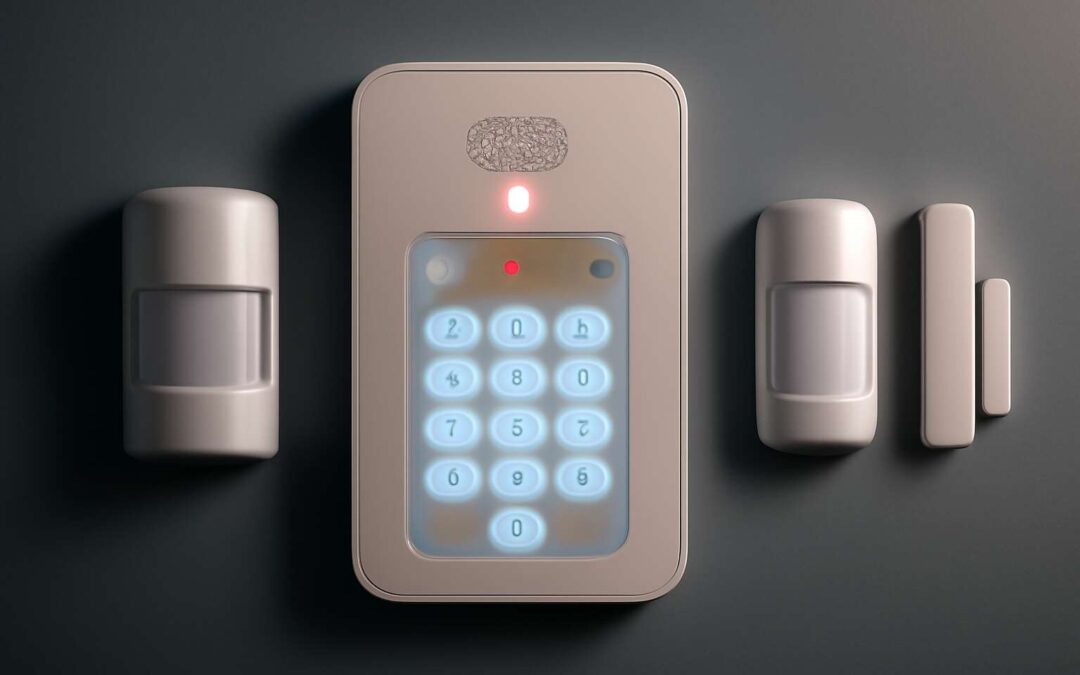
Understanding Wireless GSM Security Alarm Systems
What is a Wireless GSM Security Alarm System?
In a world increasingly driven by technology, security has become less about brute force and more about subtle intelligence. A wireless GSM security alarm system epitomizes this shift, offering a blend of convenience and cutting-edge innovation. Unlike traditional alarm systems, which tether you to a physical control panel, this system relies on cellular networks, making it virtually untouchable by intruders who might cut wires or disable landlines.
At its core, a wireless GSM security alarm system uses SIM card technology to communicate alerts directly to your mobile device. This seamless connection ensures you’re always in the loop, no matter where you are. Its self-contained design allows for flexible placement and quick installation, making it ideal for South African households seeking reliable protection against burglary or intrusion. When considering a security upgrade, understanding the intricate workings of a wireless GSM security alarm system can transform your approach to safeguarding your loved ones and property.
How Does a GSM Alarm Differ from Traditional Systems?
Understanding Wireless GSM Security Alarm Systems: How Does a GSM Alarm Differ from Traditional Systems?
In the battle between high-tech security and old-school alarm systems, the wireless GSM security alarm system often comes out on top—and for good reason. Traditional alarm systems rely heavily on landlines, which, let’s be honest, are as outdated as dial-up internet. When burglars cut your landline, your security suddenly becomes as useful as a chocolate teapot.
A wireless GSM security alarm system sidesteps this vulnerability entirely. Instead of wires, it uses a SIM card—yes, the same technology that powers your mobile phone—to send alerts directly to your smartphone. This means no more worrying about cut cables or power outages halting your security. Plus, with its self-contained design, you can place it just about anywhere, turning your home into a fortress without the hassle of complicated wiring.
What sets a GSM alarm apart? Here’s a quick rundown:
- Cellular communication ensures alerts reach you—no landline needed.
- Quick installation and flexible placement make it ideal for South African households.
- It remains operational even during power outages, thanks to built-in backup batteries.
In a world where convenience meets cutting-edge innovation, the wireless GSM security alarm system stands out, offering peace of mind wrapped in simplicity.
Key Components of a Wireless GSM Alarm System
At the heart of every reliable wireless GSM security alarm system are its key components, each playing a vital role in safeguarding your home or business. The control panel acts as the brain, orchestrating responses and managing communication. Sensors and detectors, placed at strategic points, detect movement, break-ins, or unusual activity, alerting you instantly.
One of the most critical elements is the SIM card, which transforms the alarm into a mobile powerhouse. It ensures real-time alerts are sent directly to your smartphone, no matter where you are in South Africa. The system also includes sirens or alarms that activate during a breach, providing immediate deterrence. Additionally, backup batteries guarantee continuous operation during power outages, making the wireless gsm security alarm system incredibly resilient.
To enhance the system’s responsiveness, many wireless GSM security alarm systems incorporate features such as remote control access and customizable alert settings. These innovations ensure that you stay connected and in control, providing peace of mind regardless of your location.
Advantages of Using a GSM-Based Security Alarm
Remote Monitoring and Control
In the shadowed corridors of modern security, a wireless gsm security alarm system emerges as a beacon of silent vigilance. Its remote monitoring capability offers a spectral eye that never blinks, granting homeowners and businesses an uncanny advantage. With a simple text or call, alerts materialize instantly, whispering warnings from afar—an unseen sentinel guarding against intrusion and peril.
What truly sets this technology apart is its seamless control, accessible from any corner of the earth—be it through a smartphone or a dedicated device. Imagine the power to arm or disarm your alarm system, check the status of sensors, or receive real-time notifications, all at your fingertips. This level of control offers not just security but peace of mind wrapped in a digital shroud, especially vital in the unpredictable landscapes of South Africa.
- Immediate alerts to your mobile device
- Remote control over security functions
- Enhanced security through constant connectivity
In a world where darkness often lurks just beyond the light, a wireless gsm security alarm system’s ability to operate independently of fixed lines makes it an indomitable guardian—one that adapts, responds, and remains vigilant even amidst chaos. Truly, it’s not merely a system but a digital specter haunting the shadows of vulnerability, ever-watchful, ever-present.
Enhanced Security and Reliability
In a landscape where security is more crucial than ever, a wireless GSM security alarm system stands out as a pinnacle of reliability and adaptability. Unlike traditional alarm systems tethered to landlines, GSM-based devices operate independently, ensuring that your security isn’t compromised by cut cables or power outages. This independence makes a significant difference in South Africa’s often unpredictable environment, where infrastructure can be unreliable.
The true advantage lies in its enhanced security and constant connectivity. With real-time alerts sent directly to your mobile device, you are always in the know—whether you’re at home, at work, or halfway across the world. This immediacy allows for swift responses to potential threats, turning a passive alarm into an active participant in your security strategy. Furthermore, the seamless remote control over security functions means you can arm or disarm your wireless gsm security alarm system effortlessly, providing peace of mind wrapped in digital convenience.
Ease of Installation and Flexibility
The allure of a wireless GSM security alarm system lies in its remarkable ease of installation and unparalleled flexibility. Unlike traditional wired systems that demand extensive cabling and structural modifications, a GSM-based alarm can be set up swiftly, often within hours. This means minimal disruption to your daily life and a faster path to peace of mind. The true advantage is how effortlessly these systems adapt to changing needs—whether you’re moving homes, expanding your property, or upgrading security features.
Flexibility is embedded in its design. With wireless connectivity, you can place sensors, cameras, and control panels exactly where they’re needed most, without being bound by the constraints of wiring. This adaptability is especially vital in South Africa, where infrastructure challenges can complicate installation.
- Easy repositioning of sensors
- Integration with existing devices
- Scalability for future upgrades
All of these factors make a wireless GSM security alarm system not just convenient but an intelligent choice for those seeking a resilient security solution that grows with them.
Cost-Effectiveness and Maintenance
In a landscape where security threats evolve as swiftly as the shadows they lurk in, choosing a cost-effective solution becomes paramount. A wireless GSM security alarm system doesn’t just promise peace of mind; it delivers with impressive economic efficiency. Unlike traditional wired systems that demand extensive infrastructure, the wireless nature drastically reduces initial installation costs and minimizes the need for disruptive structural modifications.
Maintenance is another domain where a GSM-based system shines. With fewer physical components exposed to wear and tear, ongoing upkeep is simplified. The system’s ability to operate independently of wired connections reduces vulnerabilities and the frequency of repairs, translating into long-term savings. For many households and businesses in South Africa, this means fewer unwelcome surprises and a more predictable security budget.
Furthermore, the inherent scalability of a wireless GSM security alarm system enables seamless upgrades—adding sensors, cameras, or control panels—without hefty reinstallation expenses. This adaptability ensures that your security infrastructure evolves alongside your needs, making it a prudent investment that combines affordability with future-proof resilience. When considering the complex tapestry of modern security, the cost-effectiveness and low-maintenance appeal of a wireless GSM security alarm system position it as an astute choice for those who refuse to compromise on safety or savings.
Features to Consider When Choosing a Wireless GSM Alarm System
Cellular Network Compatibility
When selecting a wireless GSM security alarm system, cellular network compatibility becomes an essential consideration. South Africa’s diverse network landscape demands a system that seamlessly integrates with major carriers like Vodacom, MTN, and Cell C. Without this compatibility, the alarm’s reliability can be compromised, leaving your property vulnerable in crucial moments. A truly sophisticated wireless GSM security alarm system should support multiple network bands, ensuring consistent connectivity even during network congestion or outages.
Furthermore, the robustness of the network connection directly influences remote monitoring capabilities and real-time alerts. Top-tier systems often feature dual SIM card slots, providing an extra layer of assurance if one network experiences disruptions. This feature is particularly advantageous for remote properties where maintenance access is limited. Ultimately, choosing a wireless GSM security alarm system with versatile cellular network compatibility guarantees uninterrupted security coverage, empowering homeowners and businesses to safeguard what matters most with confidence.
Sensor Types and Compatibility
In the shadowed corridors of security technology, the choice of sensors and their compatibility becomes the silent guardian of your sanctuary. A truly formidable wireless GSM security alarm system must boast a diverse array of sensors—motion detectors, door/window contacts, glass-break sensors—each whispering secrets of intrusion before it even manifests. But beware: compatibility is the key that unlocks seamless integration with your existing security infrastructure. An alarm system that supports various sensor types ensures no breach goes unnoticed, safeguarding your haven with unwavering vigilance.
For those with remote properties or complex security needs, the flexibility of sensor compatibility can be the difference between peace of mind and vulnerability. Systems that support multiple sensor protocols and communication standards allow for tailored security solutions—each element working in concert like a dark symphony of protection. The intricate dance of sensors within a wireless GSM security alarm system forms the backbone of its reliability, turning whispers of danger into unmistakable alerts, even from afar.
User Management and Access Control
When selecting a wireless GSM security alarm system, user management and access control are often overlooked but are crucial for maintaining robust security. The ability to assign different access levels ensures that only trusted individuals can disarm or modify the system, minimizing internal vulnerabilities. This feature is especially vital for households or businesses where multiple users require varying degrees of access.
Modern wireless GSM security alarm systems often come equipped with intuitive user management interfaces that allow for easy addition or removal of users. Some systems even support temporary access codes for visitors or service providers, adding an extra layer of convenience and control. This flexibility ensures your security setup adapts seamlessly to changing circumstances without compromising safety.
- Assigning personalized codes or RFID tags
- Monitoring user activity logs for added accountability
- Remote management via smartphone apps for quick adjustments
In South Africa, where security concerns are ever-present, having a wireless GSM security alarm system with sophisticated user management features can be a game-changer. It transforms a simple alarm into a dynamic shield—one that adapts to your lifestyle and keeps intruders at bay with unwavering precision.
Alert and Notification Options
In an era where security concerns escalate with every news headline, the importance of alert and notification options within a wireless GSM security alarm system cannot be overstated. The ability to receive instant alerts—whether via SMS, email, or app notifications—transforms passive security into an active safeguard. When every second counts, knowing that your system can promptly inform you of suspicious activity provides a powerful psychological edge over potential intruders.
Modern systems often feature customizable alert parameters, allowing users to tailor notifications based on specific triggers. For instance, a sudden breach detection or sensor activation can trigger an immediate message, giving you the opportunity to assess the situation in real-time. This layered approach to security ensures that no anomaly goes unnoticed, reinforcing the system’s role as a vigilant sentinel.
Additionally, some wireless GSM security alarm systems incorporate multiple alert channels, ensuring redundancy and reliability. You might receive a text message, an email, or even push notifications on your smartphone—sometimes all three—ensuring comprehensive coverage. This multi-modal alerting capability is particularly vital in South Africa, where rapid response can make a significant difference in safeguarding property and loved ones.
Ultimately, when choosing a wireless GSM security alarm system, prioritizing its alert and notification options is essential. It’s not just about detection; it’s about creating a robust feedback loop—one that keeps you informed, connected, and prepared against the unpredictable threats lurking in the shadows.
Power Backup and Battery Life
When selecting a wireless GSM security alarm system, power backup and battery life are critical factors often overlooked. A system that relies solely on mains power leaves your property vulnerable during outages—something all too common in South Africa’s unpredictable load shedding schedule. Look for systems with robust backup batteries that can operate for several hours or even days without mains power, ensuring continuous protection.
Some wireless GSM security alarm systems come equipped with multiple power sources, providing added peace of mind. This redundancy means that even if the primary power fails, the alarm remains active and responsive. It’s worth checking the battery’s capacity and the system’s energy consumption to guarantee it will last when you need it most.
- Extended battery life ensures ongoing security during power interruptions.
- Fast recharging capabilities help minimize downtime after outages.
- Indicators alert you when battery levels are low, prompting timely replacement or recharge.
In regions prone to power instability, investing in a wireless GSM security alarm system with reliable power backup isn’t just a convenience—it’s an essential safeguard. The right system offers peace of mind, knowing that your security isn’t compromised when the grid falters or during emergencies. Power resilience truly elevates the effectiveness of your alarm system, making it a trusted guardian in uncertain times.
Integration with Smart Home Devices
In a landscape where technology evolves at a breakneck pace, integrating your wireless GSM security alarm system with smart home devices transforms a simple security setup into a sophisticated fortress of connectivity. Imagine a realm where your alarm system seamlessly communicates with your lights, locks, and surveillance cameras, creating an orchestrated symphony of safety at your command. Such integration not only amplifies security but also elevates everyday convenience—an essential feature for modern households and businesses in South Africa.
When choosing a wireless GSM security alarm system, consider its compatibility with a variety of smart devices. The ability to control your alarm remotely via a smartphone app or even through voice commands can make a world of difference. Look for systems that offer open APIs or compatible platforms, ensuring that your security ecosystem can grow organically over time. This flexibility allows you to tailor your security setup to your unique needs, making it as resilient and adaptable as a mythical fortress built to withstand any siege.
Some systems boast features such as scheduled arming/disarming, real-time alerts, and automation routines—turning your security into an intelligent guardian rather than a mere barrier. As the legend of your home’s safety unfolds, these features weave a narrative of proactive protection, where every sensor and device plays a vital role in safeguarding your realm. In essence, a wireless GSM security alarm system with robust smart home integration is not just a device—it’s a vigilant sentinel guarding your domain with unwavering loyalty.
How to Install and Set Up a Wireless GSM Security Alarm
Pre-Installation Preparations
Embarking on the installation of a wireless GSM security alarm system is like opening a portal to peace of mind. Before diving into the setup, it’s essential to prepare your environment meticulously. Clear the designated installation area of clutter and ensure there’s a stable power supply nearby, even if the system boasts built-in power backup. Familiarize yourself with the user manual—each model has its nuances, and knowing the ins and outs can save time and frustration.
Next, consider the placement of sensors and control panels. For optimal coverage, position motion detectors near entry points and windows, yet avoid areas with large objects or direct sunlight that could trigger false alarms. To streamline the process, follow these steps:
- Power down the main unit and all peripherals.
- Attach the control panel in a central, accessible location.
- Connect sensors and detectors according to the manufacturer’s instructions.
- Insert the SIM card carefully, ensuring the GSM signal is strong in that area.
- Power on the system and perform a series of test alarms to verify proper operation.
With these pre-installation preparations, setting up a wireless gsm security alarm system becomes a seamless adventure—transforming your space into a fortress of security, ready to respond at a moment’s notice!
Step-by-Step Installation Guide
How to Install and Set Up a Wireless GSM Security Alarm System: Step-by-Step Guide
Embarking on the installation of a wireless GSM security alarm system is akin to orchestrating a symphony of safety—each component must harmonize perfectly. The journey begins with patience and precision, for a well-installed system is the guardian that stands vigilant in the shadows. To illuminate this path, follow these meticulous steps and transform your space into an impregnable sanctuary.
- Start by powering down the main unit and all peripherals to ensure a safe and interference-free setup.
- Choose a central, accessible location for the control panel—this is the command center where all alerts and controls converge.
- Attach sensors and detectors, ensuring they are positioned near entry points like doors and windows, but away from potential false alarm triggers such as direct sunlight or large objects.
- Insert the SIM card into the designated slot, making sure the GSM signal is robust—this connectivity is vital for real-time alerts.
- Power on the system and navigate through the setup menu to configure user codes and alarm zones. Many wireless gsm security alarm system models allow remote programming, adding convenience to the process.
- Finally, perform a series of test alarms to confirm that sensors respond correctly and notifications reach your mobile device without delay.
With these steps completed, your wireless gsm security alarm system transforms from mere hardware into an active sentinel. The installation process, though intricate, rewards you with a peace of mind derived from knowing your haven is fortified—ready to respond at a moment’s notice, no matter where you are in South Africa’s vibrant landscape. Every connection, every calibration, weaves a tapestry of security, making your home or business an unassailable fortress.
Configuration and Programming
Setting up a wireless GSM security alarm system is a delicate dance of precision and finesse—like tuning a fine instrument before the grand performance. To ensure your system is optimally configured, start by accessing the control panel’s programming menu. This is the nerve center where you’ll assign user codes, define alarm zones, and customize alert preferences. Many models in South Africa allow remote programming, a feature that makes fine-tuning your wireless GSM security alarm system as effortless as sending a quick SMS.
Next, focus on the crucial step of configuring notifications. Whether it’s a text message, email, or app alert, your system’s ability to communicate swiftly can make all the difference. Carefully input your mobile numbers and preferred alert types, ensuring the system’s communication channels are crystal clear.
For those who prefer a structured approach, an ordered list can simplify the process:
- Access the system’s setup menu.
- Input user access codes.
- Define alarm zones and sensor triggers.
- Configure alert and notification preferences.
- Save settings and perform a test to verify connectivity.
Finally, a thorough test of your wireless GSM security alarm system confirms that alarms trigger correctly and notifications reach your device without delay. With proper configuration and programming, your system becomes a vigilant guardian—ready to alert you at a moment’s notice, no matter where you are in South Africa’s bustling landscape.
Testing and Troubleshooting
Testing and troubleshooting your wireless GSM security alarm system is a vital step in ensuring unwavering protection. Once installed, it’s essential to verify that every component functions seamlessly—because even the smallest glitch can compromise security. Begin by arming the system and triggering each sensor to confirm that alarms activate correctly and notifications are sent promptly. If alerts do not arrive as expected, it’s time to delve into troubleshooting.
Start with the basics—check signal strength and network connectivity. A weak GSM signal can hinder message delivery, so ensure your SIM card is properly inserted and has active service. For persistent issues, consult the control panel’s diagnostics or use remote programming features if available, simplifying the troubleshooting process. An ordered approach can help:
- Verify power sources and backup batteries.
- Test each sensor individually to confirm proper trigger response.
- Confirm notification settings are correctly configured and contact numbers are accurate.
- Perform a system reset if necessary, then retest to ensure all components communicate flawlessly.
When troubleshooting your wireless gsm security alarm system, patience and methodical steps reveal the root of potential faults. Regular testing not only ensures your alarm’s integrity but also reinforces its role as a vigilant guardian—steadfast in the face of uncertainty, ready to alert you instantly wherever you are in South Africa’s dynamic landscape.
Best Practices for Maintaining Your GSM Security Alarm System
Regular System Updates
In the realm of safeguarding your sanctuary, a wireless GSM security alarm system stands as an unyielding sentinel, guarding against unseen threats. Yet, even the most formidable defenses require vigilant upkeep. Regular system updates are the enchanted scrolls that keep your alarm system resilient against the ever-evolving tapestry of cyber threats and system vulnerabilities.
Ensuring your wireless GSM security alarm system remains at peak performance involves more than just initial installation. Firmware updates, security patches, and software enhancements act as the spellbook of digital protection. These updates patch loopholes, introduce new features, and fortify the system against malicious intrusions. Set a routine—perhaps quarterly—to check for updates or enable automatic updates if your system supports this feature. This simple ritual transforms your alarm system into a living, breathing guardian, ever-ready to face the unseen dangers lurking in the shadows.
Engaging with the manufacturer’s portal or customer support can reveal insights into upcoming updates or critical patches. Embracing these practices ensures your wireless GSM security alarm system remains a steadfast protector, immune to the whispers of cyber mischief. Remember, in the realm of security, complacency is the only true enemy. Stay vigilant, stay updated—your fortress depends on it.
Monitoring and Testing
Maintaining your wireless GSM security alarm system is crucial to ensure ongoing protection for your home or business. Regular monitoring and testing not only keep the system in optimal condition but also provide peace of mind amid the unpredictable threats that lurk in the shadows. It’s easy to assume that once installed, your alarm system will work flawlessly—yet, a vigilant approach is essential for sustained security.
Simple yet effective practices include weekly checks of sensor functionality and ensuring all notifications are received promptly. Engaging in routine testing, such as triggering alarms to verify responsiveness, helps identify potential weak points before an intrusion occurs. For added assurance, consider implementing a schedule—perhaps monthly—that includes system diagnostics and firmware updates. This proactive stance keeps your wireless gsm security alarm system resilient against evolving cyber threats and physical vulnerabilities.
In rural environments where connectivity might be patchy, it’s wise to maintain a backup power source and verify cellular signal strength regularly. Additionally, keeping a log of system checks can streamline troubleshooting and ensure no detail is overlooked. By dedicating a little time to these best practices, you reinforce your fortress—transforming your wireless GSM security alarm system from a mere device into a vigilant guardian that stands ready, no matter the circumstances.
Battery Maintenance
Battery maintenance in your wireless GSM security alarm system is the silent guardian of your peace of mind. Without a reliable power source, even the most sophisticated system can become a vulnerability, exposing your home or business to unseen threats. Ensuring your batteries are in peak condition is not merely a routine task; it is a moral obligation—an act of vigilance in a world where comfort often masks lurking peril.
To uphold that vigilance, consider implementing a regular maintenance schedule that includes inspecting batteries for signs of wear and ensuring they are fully charged. The longevity of your wireless GSM security alarm system hinges on this simple yet critical step.
- Replace batteries before they reach the end of their lifespan.
- Use high-quality, compatible batteries to prevent unexpected failures.
Maintaining optimal battery health guarantees that your alarm system remains responsive during emergencies, whether power outages or network disruptions occur.
Ultimately, consistent battery care transforms a mere device into a steadfast sentinel—an unwavering guardian that endures the relentless march of time and entropy, standing ready to protect what matters most. Because in the end, resilience begins with the smallest component—your battery—and the unwavering commitment to its maintenance.
Keeping Software Secure
Keeping your wireless GSM security alarm system in prime condition isn’t just about hardware—it’s about safeguarding your sanctuary through vigilant software management. Regularly updating your system’s firmware ensures you stay ahead of emerging threats and vulnerabilities that could compromise your security. Outdated software can become a chink in your armor, leaving you exposed to cyber intrusions and false alarms.
To fortify your wireless GSM security alarm system, adopt a disciplined approach to software security. This involves routinely checking for updates from your alarm provider and applying patches promptly. Additionally, changing default passwords and enabling two-factor authentication adds layers of protection, making it significantly harder for intruders to breach your defenses. Remember, the backbone of a resilient system lies in its software integrity—an often overlooked yet vital aspect of comprehensive security.
By weaving these best practices into your maintenance routine, you transform your wireless GSM security alarm system from a mere device into an indomitable guardian, vigilant against both physical and digital threats. The key is relentless attention to software security—because in a world of unseen dangers, your system’s intelligence is your greatest asset.
Legal and Privacy Considerations with GSM Security Systems
Data Privacy and Security
As the digital landscape evolves, so do the intricacies of safeguarding personal privacy—particularly when employing a wireless GSM security alarm system. While these systems offer unparalleled convenience and security, they also raise critical questions about data privacy and legal compliance. In South Africa, where data protection laws are becoming increasingly stringent, understanding the fine print is no longer optional but essential. Any breach or mishandling of sensitive information could result in hefty penalties and a loss of consumer trust.
Confidentiality concerns are especially pertinent with wireless GSM security alarm systems, which transmit data over cellular networks. To mitigate risks, it’s vital to ensure that encryption protocols are robust and that user data is stored securely. Additionally, users should be aware of who has access to alarm alerts and personal information. Implementing strict access control measures can prevent unauthorized personnel from tampering with or spying on the system’s data streams.
Furthermore, legal considerations extend to the monitoring practices employed—particularly surveillance and recording. In South Africa, laws stipulate that individuals must be informed of any monitoring activities, safeguarding against potential invasion of privacy. By adhering to these legal standards and prioritizing data security, homeowners and businesses can enjoy the peace of mind that a wireless GSM security alarm system provides without compromising personal privacy. After all, security need not come at the expense of individual rights—careful planning and compliance make the perfect harmony possible.
Legal Regulations and Compliance
In the intricate dance of modern security, a wireless GSM security alarm system stands as a vigilant sentinel—its signals whispering through cellular veins, safeguarding what matters most. Yet, beneath this veil of convenience lies a labyrinth of legal and privacy considerations that must not be overlooked. In South Africa, the legal landscape is evolving swiftly, demanding that every alarm system operator tread carefully to avoid the shadows of non-compliance.
Legal regulations surrounding wireless GSM security alarm systems emphasize transparency and consent. Laws stipulate that homeowners and businesses must be fully informed about monitoring practices and data collection. To navigate this terrain, it’s vital to implement adherence to data privacy standards, ensuring that personal information remains shielded from prying eyes. An unguarded breach could lead to hefty penalties, tarnishing trust and reputation alike.
Furthermore, strict access control measures—such as encryption protocols and secure data storage—serve as the armor against unauthorized intrusion. An ordered list of legal considerations might include:
- Informed consent for surveillance activities
- Secure handling and encryption of alarm data
- Limiting access to sensitive information
- Compliance with local data protection laws
Within this framework, transparency becomes the cornerstone—ensuring that every alarm alert and personal detail remains confidential, yet accessible to authorized personnel only. When legal standards are met with diligence, a wireless GSM security alarm system not only fortifies premises but also preserves the sanctity of individual privacy. Because true security is a harmonious blend of vigilance and respect, where technology and law converge in perfect symphony.
User Consent and Notifications
Amidst the shadows of modern security, the wireless GSM security alarm system emerges as a guardian whose whispers traverse cellular veins, silently watching over our sanctuaries. Yet, beneath its sleek veneer lies a complex web of legal and privacy considerations that demand our unwavering attention. In South Africa, where the legal landscape shifts like a restless tide, every operator must tread with caution, for the specter of non-compliance can tarnish even the most sophisticated defense.
Central to this dark ballet is the principle of user consent. It is not enough for a wireless GSM security alarm system to operate unseen; it must also respect the rights of those it protects. Clear notifications about surveillance activities and data collection must be delivered with transparency. To fortify this trust, strict access control measures—such as encryption protocols and secure data storage—are essential shields against unbidden intrusion.
In the labyrinth of legal standards, a simple yet vital list emerges:
- Informed consent for surveillance activities
- Secure handling and encryption of alarm data
- Limiting access to sensitive information
- Compliance with local data protection laws
Ensuring these tenets are upheld transforms the wireless GSM security alarm system from a mere device into a beacon of integrity. When transparency and legal diligence align, the system becomes a sentinel not only of physical boundaries but also of privacy—a delicate balance that preserves trust amid the shadows.
Top Brands and Models of Wireless GSM Security Alarms
Leading Manufacturers in the Market
When it comes to safeguarding your fortress, only the top-tier brands can deliver the peace of mind you crave. In the bustling market of wireless gsm security alarm system options, certain manufacturers stand out as the titans of reliability and innovation. South African homeowners and business owners alike are increasingly turning to these trusted names to fortify their premises against the unpredictable chaos of the world.

Leading manufacturers such as Honeywell, DSC, and Ajax have carved out their reputations with cutting-edge technology and unwavering durability. Their models boast features like advanced sensor compatibility, seamless remote monitoring, and robust cellular network integration—making them the go-to choices for those who demand nothing but the best. Some models even come equipped with smart home integration, turning your security system into a mini command center, all while maintaining affordability and ease of installation.
- Honeywell Galaxy Flex
- DSC PowerSeries Neo
- Ajax Security System
These brands exemplify the perfect blend of innovation, user-friendliness, and resilience—essentials for a wireless gsm security alarm system that can stand the test of time and threat. Whether you’re securing a cozy South African home or a bustling small business, choosing from these top models ensures you’re protected by the best the market has to offer. Because when it comes to security, settling for second best is simply not an option!
Comparative Features and Pricing
Choosing the right wireless GSM security alarm system isn’t just about fancy features; it’s about trusting the brands that have consistently raised the bar. South African homeowners and entrepreneurs alike flock to top-tier manufacturers that combine reliability with innovation—because when it comes to security, second best simply isn’t an option.
Leading brands such as Honeywell, DSC, and Ajax offer a range of models packed with comparative features that cater to varied needs. For instance, the Honeywell Galaxy Flex boasts seamless smart home integration, while DSC’s PowerSeries Neo is renowned for its scalability and robust cellular network compatibility. Ajax’s security system, on the other hand, emphasizes user-friendly setup and unmatched resilience against interference.
- Honeywell Galaxy Flex — premium features, smart home compatibility
- DSC PowerSeries Neo — versatile, scalable, and reliable cellular connectivity
- Ajax Security System — intuitive interface and tough build quality
Pricing varies widely, but these top brands deliver a compelling balance of affordability and high-performance specs. Whether you need a wireless gsm security alarm system for a cozy South African residence or a bustling business, these models promise a combination of durability, advanced sensor compatibility, and seamless remote control—making them the stars of the security show. Because in the end, investing in a top-tier alarm system isn’t just sensible; it’s essential.
Customer Reviews and Ratings
When it comes to choosing a wireless GSM security alarm system, customer reviews and ratings can be a guiding star. South African homeowners and business owners often share their firsthand experiences, shedding light on the real-world performance of various brands. Top brands like Honeywell, DSC, and Ajax consistently receive high marks for their reliability, ease of use, and innovative features.
For example, Honeywell’s Galaxy Flex garners praise for its seamless smart home integration, making it ideal for those looking to link their security with automation systems. DSC’s PowerSeries Neo is celebrated for its scalability, a crucial factor for growing businesses. Ajax’s system stands out thanks to its intuitive interface and formidable resistance to interference, which is vital in areas prone to signal disruptions.
Customer feedback often highlights the durability and remote management capabilities of these models.
- Ease of installation
- Responsive customer service
- Strong cellular connectivity
These reviews collectively reinforce the reputation of these brands as top-tier choices in the competitive market for wireless GSM security alarm system solutions in South Africa.
Future Trends in Wireless GSM Security Alarm Technology
Integration with IoT and Smart Devices
As the digital landscape evolves, the future of wireless GSM security alarm systems is poised to become even more intertwined with the Internet of Things (IoT) and smart devices. Imagine a world where your alarm system not only detects intrusions but seamlessly communicates with your smart locks, cameras, and lighting—creating a symphony of interconnected security measures. This integration promises enhanced responsiveness and smarter automation, elevating home security to new heights.
One of the most exciting developments is the deployment of artificial intelligence (AI) algorithms that analyze sensor data in real time, predicting potential threats before they materialize. Coupled with the expanding ecosystem of IoT devices, wireless GSM security alarm systems are expected to become more intuitive, adapting dynamically to individual household routines. For instance, sensors could learn your daily patterns and adjust security protocols accordingly, reducing false alarms while increasing protection.
As these systems evolve, manufacturers are increasingly focusing on compatibility with a wide array of smart devices, making setup and customization more straightforward. The future may also see a shift towards more energy-efficient wireless GSM security alarm systems, powered by advanced power backup solutions and energy harvesting techniques, ensuring continuous operation even during power outages. With these innovations, the smart security landscape in South Africa will become more resilient, personalized, and effortless to manage.
AI and Machine Learning Capabilities
The future of wireless GSM security alarm systems is nothing short of revolutionary. As artificial intelligence (AI) and machine learning (ML) continue to advance, these systems are transforming from simple alert mechanisms into intelligent guardians that learn and adapt. Imagine a wireless GSM security alarm system that not only detects an intrusion but also predicts potential threats by analyzing sensor data in real time. This proactive approach significantly enhances security, especially in dynamic environments like South African households where unpredictable risks are common.
One of the most exciting trends is the integration of AI algorithms that process vast amounts of sensor information, enabling the system to identify patterns and anomalies with remarkable precision. For example, sensor data can be used to distinguish between a genuine threat and a false alarm—saving time and resources. Manufacturers are also focusing on compatibility with a broad spectrum of smart devices, making it easier than ever to customize your security setup. This seamless interoperability ensures your wireless GSM security alarm system works harmoniously with smart locks, cameras, and lighting systems, creating a cohesive security ecosystem.
Furthermore, future wireless GSM security alarm systems will likely incorporate energy-efficient technologies, such as energy harvesting and advanced power backup solutions, ensuring continuous operation even during power outages. As these systems evolve, they will offer a more intuitive user experience, learning household routines to reduce false alarms and optimize security measures. The integration of AI and ML is poised to redefine what a home security system can do—making it smarter, more responsive, and tailored to your unique needs in South Africa and beyond.
Enhanced Mobile App Functionality
The future of wireless GSM security alarm systems is becoming more sophisticated, with enhanced mobile app functionality at the forefront of innovation. Imagine being able to monitor your South African home seamlessly from anywhere—whether you’re at work in Johannesburg or visiting family in Cape Town. Advanced mobile apps are now designed to offer real-time alerts, live video feeds, and instant control over your security devices, all through an intuitive interface.
These apps are evolving to include features like geofencing, which automatically arms or disarms the system based on your proximity, and customizable notifications tailored to your lifestyle. Some systems even integrate biometric access for added security, ensuring only authorized persons can make changes. To further elevate user experience, manufacturers are prioritizing seamless integration with smart home devices—think smart locks, lighting, and cameras—creating a cohesive security ecosystem that adapts to your needs.
- Real-time push notifications alert you instantly of any suspicious activity, reducing response times.
- Remote arming and disarming provide peace of mind, even when you’re miles away from home.
- User management features allow multiple family members to access the system with tailored permissions, fostering family safety.
As mobile app technology continues to advance, the potential for a truly intelligent and responsive wireless gsm security alarm system becomes a reality. For households in South Africa, where security concerns are ever-present, these innovations promise not only peace of mind but also a new level of control and peace of mind—making every home a smarter, safer haven.
Advanced Sensors and Detection Technologies
As technology accelerates toward an era of unparalleled precision, future trends in wireless GSM security alarm systems are pushing the boundaries of detection capabilities. Advanced sensors are no longer mere detectors of motion; they are sophisticated sentinels that analyze patterns, temperature fluctuations, and even acoustic signatures to identify threats with uncanny accuracy. These innovations transcend conventional alarm systems, offering a layered approach to security that anticipates danger rather than merely responds to it.
In particular, integration of AI-powered detection technologies promises to revolutionize the way wireless GSM security alarm systems operate. Machine learning algorithms can now differentiate between benign activity and genuine threats, reducing false alarms and ensuring prompt responses when it truly matters. This evolution is vital for South African households seeking smarter, more responsive security solutions that adapt seamlessly to their environment.
Moreover, the deployment of ultra-sensitive, multi-modal sensors—such as infrared, ultrasonic, and vibration detectors—enables comprehensive coverage, even in complex architectural spaces. These sensors work in unison, forming an intricate web of surveillance that is both resilient and discreet.
- Enhanced detection range
- Intelligent threat analysis
- Seamless integration with smart home ecosystems
Such advancements highlight a future where wireless GSM security alarm systems are not just reactive but proactive guardians, seamlessly blending human intuition with technological prowess to safeguard what matters most. For South African homes, this means an evolution toward security that is not only more reliable but also deeply intuitive—an essential evolution in a landscape fraught with ever-changing risks.
