
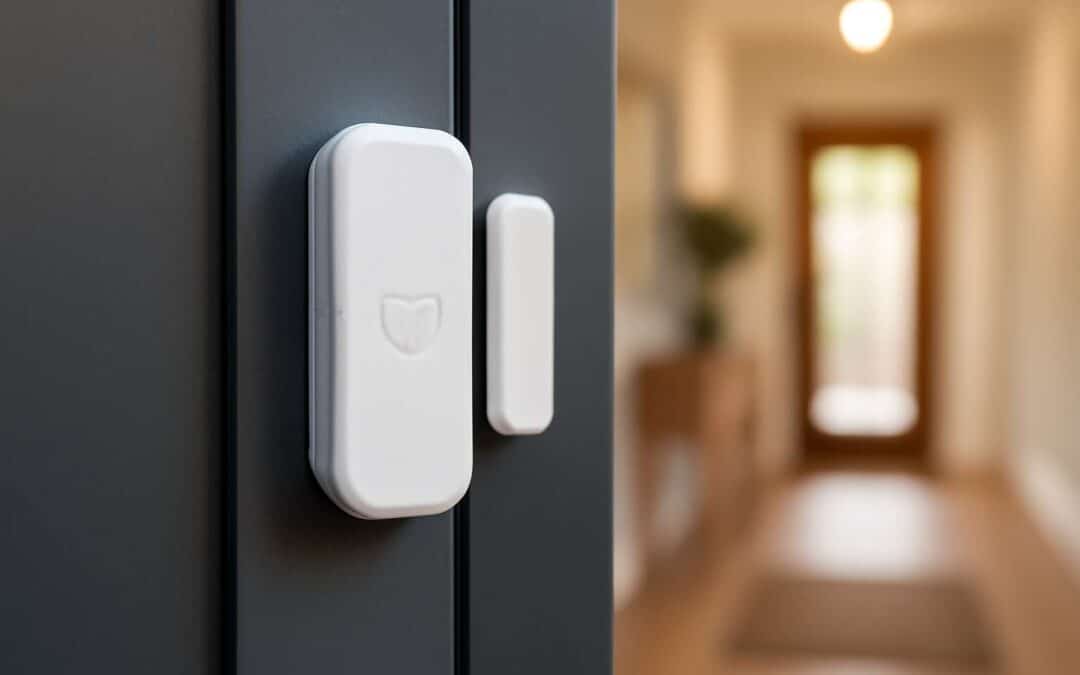
Understanding Door Security Alarm Sensors
What Are Door Security Alarm Sensors?
Imagine a silent guardian standing watch at your threshold, alerting you the moment a door is disturbed. That’s the magic of a door security alarm sensor—an essential component in modern home safety. These sensors don’t just detect intrusion; they create a sense of reassurance, transforming your entryway into a fortress of security. With technological advancements, door security alarm sensors have become more sophisticated, blending seamlessly into your security ecosystem.
So, what exactly are door security alarm sensors? They are devices designed to monitor the status of your doors, activating alarms when unexpected movement or tampering occurs. These sensors typically work through two main types: contact sensors, which trigger when the door opens, and motion sensors that detect nearby movement. Their purpose is simple yet vital: to provide instant alerts and preventative protection against unauthorised access.
For a comprehensive security setup, many systems incorporate multiple sensors, including:
- Magnetic contact sensors
- Infrared motion detectors
- Glass break sensors
Understanding the role of each type helps to appreciate how a door security alarm sensor forms an unbreakable shield for your property. In this complex dance of technology and vigilance, these sensors are the unsung heroes guarding your peace of mind.
How Do They Work?
Understanding how a door security alarm sensor works reveals a fascinating interplay of technology and instinctive safety measures. At its core, a door security alarm sensor acts as an ever-vigilant sentinel, constantly monitoring the integrity of your entry points. When a breach or unusual movement is detected, these sensors transmit signals to your alarm system, triggering an immediate response. This swift communication is essential in deterring intruders and alerting homeowners.
Most door security alarm sensors operate through two primary mechanisms: contact detection and motion sensing. Magnetic contact sensors, for example, rely on a simple yet effective principle—when the magnetic field is broken by an opening or forced entry, the sensor activates. Infrared motion detectors, on the other hand, scan for heat signatures and movement within their range. It’s this combination of detection methods that creates a layered security shield around your property.
To illustrate, here’s how a typical door security alarm sensor functions:
- The sensor remains idle when the door is closed, maintaining a stable connection or magnetic field.
- Upon opening or tampering, the magnetic contact or heat signature disrupts the sensor’s baseline, immediately alerting the system.
- The alarm is triggered, which could involve a loud siren or a silent notification to your smartphone, depending on your setup.
Ultimately, the beauty of a door security alarm sensor lies in its ability to seamlessly integrate into a broader home security ecosystem, ensuring that each entry point remains an unassailable barrier against intrusion. Whether using magnetic contact sensors, infrared motion detectors, or other innovative technology, these devices serve as the silent guardians of your peace of mind.
Types of Door Security Alarm Sensors
In the shadowed corridors of modern fortresses, a door security alarm sensor becomes more than mere hardware; it transforms into a silent warden, watching with unwavering patience. These devices come in a variety of forms, each tailored to weave seamlessly into the fabric of your home’s security tapestry. Understanding the different types of door security alarm sensors is essential for those who wish to guard their sanctuaries against unseen threats.
Among the most common are magnetic contact sensors, which thrive on simplicity and reliability. When the magnetic field is disturbed—be it through forced entry or an uninvited hand—the sensor awakens from its slumber, alerting the system. Infrared motion detectors, with their eerie glow, scan for heat signatures and movement, creating an invisible barrier that detects even the stealthiest intruder. These two primary mechanisms form a layered defence, each designed to catch the unwelcome visitor before they breach your threshold.
- The magnetic contact sensor remains dormant with the door closed, its magnetic field unbroken.
- When the door is forced open, the magnetic alignment shatters, triggering the alarm system.
- Infrared motion sensors activate upon detecting heat or movement within their haunted range, alerting you to lurking danger.
Whether it’s the discreet magnetic contact sensor or the spectral infrared motion detector, each type of door security alarm sensor serves as an unyielding guardian—an unseen spectre that whispers warnings when the darkness attempts to encroach. In this haunted dance of shadows and signals, they become the macabre sentinels of your peace of mind.
Benefits of Using Door Security Alarm Sensors
Enhanced Home and Business Security
In an era where security is more vital than ever, a door security alarm sensor offers an invisible shield that adapts seamlessly to your environment. Imagine the silent watchman that never rests, providing peace of mind with every movement detected. Studies reveal that homes and businesses equipped with reliable door security alarm sensors experience a significant reduction in break-ins, often by over 60%. This isn’t just about technology — it’s about creating an environment where threats are neutralised before they even materialise.
The true advantage lies in the sensor’s ability to act swiftly, often alerting you or security personnel instantly. Unlike traditional locks, a door security alarm sensor offers an intelligent layer of protection that can be customised to suit specific needs. Whether it’s detecting a forced entry or simply the door opening unexpectedly, these sensors serve as an early warning system, transforming your security approach from reactive to proactive. The real magic? They blend seamlessly into your existing security infrastructure, making them a vital component in safeguarding what matters most.
Immediate Intrusion Alerts
In the shadows of our modern sanctuaries, a door security alarm sensor acts as an unseen sentinel, vigilant and relentless. Its immediate intrusion alerts can be the difference between serenity and chaos, whispering warnings with a quiet but commanding presence. When every second counts, this device’s rapid response becomes a vital lifeline, illuminating threats before they fully manifest.
Imagine a world where your peace of mind isn’t left to chance but is guarded by an intelligent guardian. The door security alarm sensor’s ability to deliver prompt alerts not only deters intruders but also empowers you to act swiftly. Whether it’s a silent notification to your phone or an audible alarm that startles the night, this technology transforms your security from passive to proactive.
- Enhanced deterrence through instant alerts
- Reduced risk of break-ins by over 60%
- Seamless integration with existing security systems
In this dark dance of shadows and light, the door security alarm sensor stands as a silent witness, ready to sound the alarm at the first sign of intrusion. Its swift notifications ensure that threats are neutralised before they can take root, offering a fortress of protection that adapts to the unpredictable night. An invisible guardian—ever watchful, ever ready—lurking just beyond the edge of perception.
Deterrence of Criminal Activity
A robust door security alarm sensor acts as a silent deterrent against unauthorised access. Criminals often avoid targets equipped with visible security measures, knowing that their chances of detection increase exponentially. When a door security alarm sensor is installed, it sends an immediate alert at the slightest sign of intrusion, making it a powerful psychological barrier.
The real value lies in its ability to discourage unwanted visitors before they even attempt entry. A loud, sudden alarm or a discreet notification to your phone can make all the difference. As a result, potential intruders are much less likely to risk confrontation or detection.
For maximum deterrence, consider combining multiple security features. An effective setup can include security cameras, reinforced doors, and, of course, a reliable door security alarm sensor. This layered approach boosts your property’s defence, creating an environment where break-ins are significantly less appealing.
Integration with Smart Security Systems
In the shadowed corridors of modern security, integrating a door security alarm sensor within a smart security system transforms an ordinary door into a sentinel of unseen vigilance. The true power lies in seamless connectivity—alerts that echo through your devices, whispering of intruders before they even breach the threshold. This symphony of technology not only heightens your awareness but also creates an unyielding barrier against intrusion.
When a door security alarm sensor becomes part of a layered security approach, the guardianship extends beyond mere detection. Imagine a network of sensors, cameras, and reinforced doors working in harmony—each element amplifying the other’s strength. The result? An environment where unwanted visitors are dissuaded by the very presence of sophisticated, interconnected security measures.
- Real-time notifications ensure swift responses, reducing the window of opportunity for malicious intent.
- Continuous monitoring offers an atmospheric watchfulness, elevating your peace of mind.
- Integration with smart security systems allows personalised settings, making your security bespoke and adaptable.
Ultimately, the synergy between a door security alarm sensor and advanced smart systems offers a layered defence—an unassailable fortress where shadows tend to linger and threats are cast aside. The allure of such integration lies in its ability to transform a simple door into a point of relentless vigilance, forever watching, forever guarding.
Choosing the Right Door Security Alarm Sensor
Factors to Consider – Array
Choosing the right door security alarm sensor is a pivotal decision that can transform your home or business into a fortress of safety. With a myriad of options available, it’s essential to consider factors beyond basic functionality. For instance, the environment in which the sensor will operate plays a significant role—are you installing it in a high-traffic area or a more secluded entrance?
Durability and sensitivity are equally vital; a door security alarm sensor should be finely tuned to detect unauthorized entry without triggering false alarms. Additionally, compatibility with existing security systems can streamline installation and ensure seamless integration.
Think about the specific features you need: some sensors offer tamper alerts, while others provide remote notifications. To simplify your decision-making process, consider these key aspects:
- Environmental conditions and placement
- Type of sensor (magnetic, infrared, ultrasonic)
- Compatibility with smart home systems
- Level of sensitivity and false alarm prevention
By carefully weighing these factors, you’ll be well on your way to selecting a door security alarm sensor that offers robust protection and peace of mind.
Top Brands and Models
Choosing the right door security alarm sensor requires careful consideration of top brands and models that have earned their reputation through reliability and innovation. In a landscape saturated with options, selecting a trusted brand can mean the difference between fleeting peace of mind and unwavering security. Renowned manufacturers such as Honeywell, ADT, and Ring consistently deliver door security alarm sensors that combine cutting-edge technology with user-friendly interfaces.
When evaluating models, look for features like durability, ease of integration with existing security systems, and responsiveness. For example, Honeywell’s sensors are celebrated for their robustness and sensitivity, making them a favourite among both homeowners and business owners. Ring’s innovative sensors, on the other hand, offer seamless smart home compatibility and remote notifications, empowering users with real-time oversight.
A helpful approach is to consider these top models, each excelling in distinct aspects:
- Honeywell’s ProSeries sensors, renowned for durability
- ADT’s integrated alarm solutions, delivering comprehensive security
- Ring’s smart sensors, perfect for tech-savvy households
Ultimately, selecting a door security alarm sensor from reputable brands ensures not just protection, but peace of mind rooted in proven performance.
Installation and Maintenance Tips
Proper Installation Procedures
A well-installed door security alarm sensor is the linchpin of an effective security setup, yet the devil truly lies in the details of proper installation. A shoddy fit can render even the most sophisticated sensor useless, leaving your premises vulnerable to intrusion. Precision matters—mounting the sensor at the correct height and ensuring it aligns perfectly with the door frame is paramount.
To avoid common pitfalls, follow a few essential steps. First, clean the surface thoroughly to guarantee a secure fit. Second, choose the appropriate type of sensor—whether magnetic or infrared—based on your specific security needs.
- Secure the sensor firmly without over-tightening, preventing damage or misalignment.
- Test the sensor multiple times after installation to confirm it triggers reliably.
Regular maintenance is equally vital. Dust, dirt, and humidity can compromise sensor performance, so routinely inspect and clean your door security alarm sensor. A little vigilance today ensures peace of mind tomorrow—after all, a sensor is only as good as its upkeep.
Common Troubleshooting Tips
Installing a door security alarm sensor isn’t just a matter of sticking it on and hoping for the best—it’s an art form. A misaligned sensor can turn your fortress into an open house for intruders faster than you can say “false alarm.” Precision is key; mounting it at the right height and ensuring perfect alignment with the door frame turns a good sensor into a vigilant guardian. Remember, a poorly fitted sensor is the security equivalent of a lock without a key—utterly useless.
Once installed, regular maintenance keeps the door security alarm sensor functioning optimally. Dust, dirt, and humidity are stealthy saboteurs that can cause false triggers or complete failure. A simple routine of cleaning with a soft cloth and inspecting the sensor’s alignment can save you a headache later. If you notice the sensor isn’t triggering reliably, don’t ignore it—troubleshooting often involves checking the sensor’s position, wiring, or even replacing batteries. Sometimes, a quick reset or re-alignment is all it takes to restore peace of mind.
To troubleshoot common issues, consider these steps:
- Ensure the sensor is firmly mounted without over-tightening, which can damage delicate components.
- Check for obstructions that might interfere with the sensor’s detection zone.
- Test the sensor multiple times to verify consistent triggering, especially after adjustments or cleaning.
Ultimately, a well-maintained door security alarm sensor isn’t just a piece of hardware; it’s your first line of defence, silently watching over your property day and night. A little vigilance today guarantees that your security remains airtight tomorrow!
Battery Replacement and Upkeep
Proper installation and diligent maintenance are the cornerstones of an effective door security alarm sensor. A sensor that is correctly positioned and securely mounted provides unwavering vigilance, safeguarding your property around the clock. Remember, over-tightening can damage delicate components, so gentle, firm fastening is paramount. Regular inspections can reveal dust, dirt, or humidity — stealthy enemies that compromise sensor performance.
Battery replacement is a critical aspect of upkeep that often gets overlooked. A dead or low battery can render your door security alarm sensor useless when you need it most. To prevent unexpected failures, establish a routine check—every six months or so—to replace batteries before they run out.
- Use high-quality batteries recommended by the manufacturer.
- Keep spare batteries in an accessible spot for quick changes.
This simple habit ensures your sensor remains responsive and reliable, maintaining peace of mind in an unpredictable world.
Legal and Privacy Considerations
Legal Compliance
Ensuring your door security alarm sensor complies with legal and privacy standards isn’t just a matter of ticking boxes; it’s about respecting individual rights while safeguarding your property. In many jurisdictions, installing such sensors must adhere to strict privacy laws, especially if they capture audio or video. Overstepping these boundaries could land you in hot water — no one wants a privacy breach turning your security setup into a legal liability.
To stay on the right side of the law, consider the following:
- Clear signage indicating the presence of a door security alarm sensor
- Limiting data collection to what is strictly necessary for security purposes
- Regularly reviewing your security policies to ensure compliance with local regulations
Failure to do so might not only compromise your legal standing but also erode trust with tenants or employees. Remember, a well-placed door security alarm sensor should protect, not persecute!
Privacy Concerns and Best Practices
In an era where data privacy is increasingly scrutinised, even the most straightforward security measures like a door security alarm sensor demand careful consideration of legal and privacy boundaries. While these devices are vital for deterring intruders and safeguarding property, they can inadvertently infringe on individual rights if not managed properly. Privacy concerns become particularly pronounced when sensors capture audio or video, raising questions about lawful surveillance and personal data collection.
To navigate this delicate terrain, employing best practices is essential. Clear signage indicating the presence of a door security alarm sensor not only fosters transparency but also reassures occupants that their privacy is respected. Limiting data collection to what is strictly necessary for security purposes and conducting regular reviews of security policies help ensure compliance with local privacy laws. Remember, a well-calibrated door security alarm sensor should serve as a guardian, not a source of legal or ethical conflict.
Future Trends in Door Security Alarm Sensors
Advancements in Sensor Technology
As technology continues its relentless march forward, the future of door security alarm sensors promises a fascinating blend of sophistication and subtlety. Innovations in sensor technology are not merely about finer detection but also about smarter integration—creating a symphony of security that adapts seamlessly to modern lifestyles. Imagine sensors that learn from behavioural patterns, reducing false alarms while heightening alert accuracy; this is no longer science fiction but on the cusp of realisation.
One trend garnering buzz is the advent of AI-powered door security alarm sensors, capable of distinguishing between benign activities and genuine threats with uncanny precision. These sensors can even communicate directly with connected smart devices, providing real-time updates and customisable alert protocols. As these systems evolve, expect to see a focus on energy efficiency and enhanced privacy features—crucial in a world increasingly concerned with data security.
Furthermore, some cutting-edge sensor designs are adopting multi-modal detection methods, incorporating infrared, ultrasonic, and microwave sensors within a single unit. This approach bolsters reliability and reduces false triggers, ensuring that your door security alarm sensor remains both vigilant and discreet. Ultimately, the fusion of advanced sensor technology and intuitive design heralds a new era of home and business security—where peace of mind is a given, not a gamble.
Integration with IoT Devices
The future of door security alarm sensors is set to be a game-changer, especially as integration with IoT devices becomes the norm. Imagine a door security alarm sensor that not only detects intrusions but also communicates seamlessly with your smart home ecosystem, all while learning from your daily routines. This intelligent synergy means your security system adapts, becoming more accurate and less prone to false alarms—a win for peace of mind and sanity alike.
One exciting trend is the rise of AI-powered door security alarm sensors, capable of differentiating between a friendly visit and a potential threat. These sensors are increasingly sophisticated, offering features like real-time alerts, customisable protocols, and energy-efficient operation. As they evolve, expect them to communicate directly with devices such as smart locks, cameras, and even voice assistants, creating an interconnected security web that’s both intuitive and unobtrusive.
To illustrate, some systems now employ multi-modal detection—incorporating infrared, ultrasonic, and microwave sensors within a single unit—delivering heightened reliability in detecting genuine threats while reducing false triggers. This advanced tech creates a layered security approach, making your door security alarm sensor not just a passive detector but an active sentinel guarding your premises with finesse and subtlety.
Artificial Intelligence and Smart Analytics
The future of door security alarm sensors is becoming more intelligent and proactive than ever before. Artificial intelligence (AI) is revolutionising how these devices operate, making them smarter and more adaptable. AI-powered door security alarm sensors can now differentiate between a friendly visitor and a potential intruder, reducing false alarms and enhancing overall security. These sensors learn from your routines, adjusting their sensitivity and protocols to suit your specific needs.
Advanced smart analytics are at the heart of this transformation. They enable the sensor to process vast amounts of data in real-time, identifying suspicious activity with remarkable accuracy. This technological leap means your door security alarm sensor isn’t just passive detection — it’s an active participant in your home or business security, providing layered protection and peace of mind.
In addition, some systems now incorporate multi-modal detection, combining infrared, ultrasonic, and microwave sensors. This multi-layered approach boosts reliability and precision, creating a resilient security web. As these sensors evolve, expect them to communicate seamlessly with smart locks, cameras, and voice assistants, forming an interconnected security ecosystem that is both intuitive and unobtrusive.
Enhanced Connectivity and Remote Monitoring
As technology continues to evolve at a breathtaking pace, the future of door security alarm sensors promises unparalleled connectivity and remote monitoring capabilities. Imagine a world where your door security alarm sensor seamlessly communicates with your smartphone, alerting you instantly to any suspicious activity — no matter where you are in the world. This heightened level of connectivity transforms traditional security into an intelligent, interactive experience.

Remote monitoring systems are becoming more sophisticated, allowing users to view live feeds, receive instant alerts, and even control their security devices remotely. The integration of 5G networks and IoT devices ensures that these sensors stay connected and responsive in real-time, creating a web of layered protection. Whether you’re at home or away, you’ll possess the power to oversee your premises with a simple tap or voice command.
In the coming years, expect innovations such as encrypted data streams and AI-driven analytics to further elevate door security alarm sensors. These advancements will not only enhance security but also provide a personalised experience, adapting to your routines and preferences. The future is bright, connected, and remarkably secure — all thanks to the relentless evolution of door security alarm sensors.
