
Understanding Security Alarm and Camera Systems
What Are Security Alarm Systems?
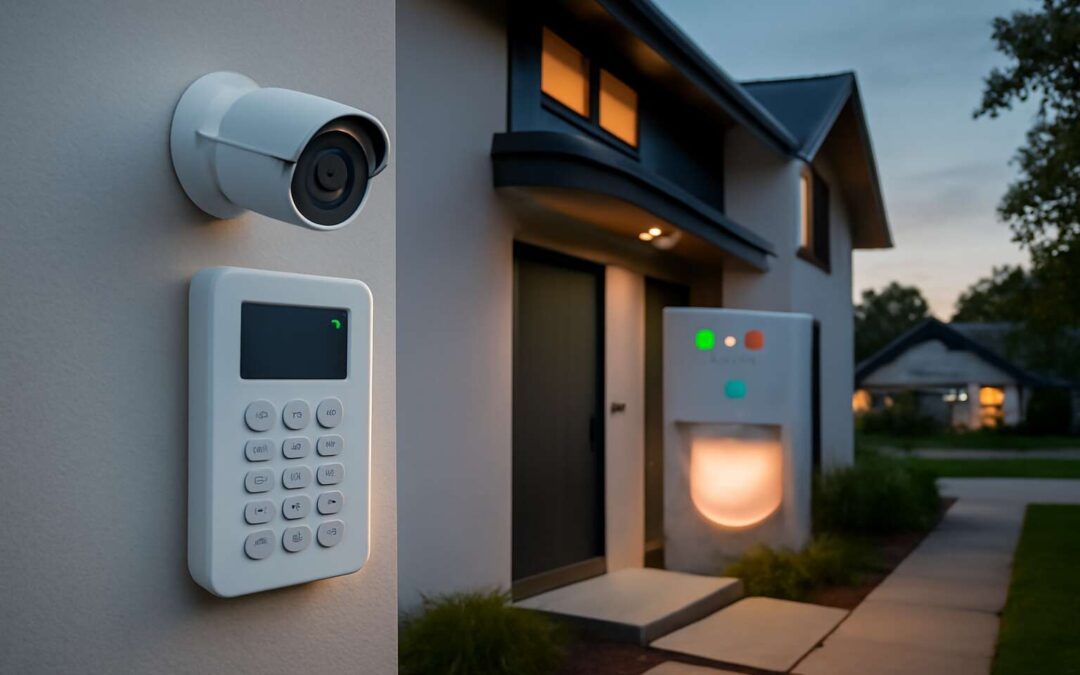
In a world where unpredictability lurks around every corner, understanding the intricacies of security alarm and camera systems becomes paramount. These technological marvels are no longer mere accessories; they are essential guardians of your property and peace of mind. A security alarm system acts as the first line of defence, designed to detect unauthorised access through sensors and alert you instantly to potential threats. Paired with a camera system, it transforms your security landscape into a vigilant sentinel, capturing real-time footage that can be reviewed at your convenience.
Modern security alarm and camera systems are sophisticated yet user-friendly, often integrating seamlessly with smart home devices. They utilise a combination of motion detectors, window sensors, and high-definition cameras to create a comprehensive security network. Incorporating these key features ensures a layered defence that can adapt to a variety of scenarios. For example, you might consider the following:
- 24/7 monitoring capabilities
- Remote access via mobile applications
- Automatic alerts and notifications
Understanding the architecture of security alarm systems reveals a layered approach to protection, where each component plays a vital role in creating an impenetrable barrier. Whether it’s the silent alarm triggered by an intruder or the camera capturing every movement, these systems are engineered to safeguard what matters most with precision and reliability. As technology advances, so does the potential for customisation, making the security alarm and camera system a cornerstone of modern safety strategies.
Types of Security Cameras
Understanding the labyrinth of security alarm and camera systems unveils a diverse tapestry of protection, each type crafted to meet unique needs. These devices are not mere gadgets but silent guardians, watching over our sanctuaries with unwavering vigilance. Among the many options, the **wired** security camera stands as a stalwart sentinel, offering robust connectivity and resilience against interference. Conversely, the **wireless** variety provides flexibility and ease of installation, seamlessly integrating into modern smart home ecosystems.
Within the realm of security cameras, variations abound—each with its own poetic purpose. For example, **day/night cameras** adapt to the changing shadows, capturing clarity in the darkest hours. The advent of **pan-tilt-zoom (PTZ) cameras** transforms surveillance into a dynamic dance, allowing remote control to follow every movement with precision. To navigate this landscape, consider the following:
- Fixed cameras for consistent, wide-angle coverage
- Motion-activated cameras that activate upon detecting movement
- High-definition cameras for crystal-clear footage, vital for identification
As technology advances, hybrid systems blend these features into a symphony of security, tailored to the intricacies of each property. The choice of a security alarm and camera system becomes an orchestration of necessity, aesthetics, and technological prowess—each element working in harmony to defend what matters most.

How They Work Together
In a world increasingly driven by the relentless march of technology, the true power of a security alarm and camera system lies in their ability to work in harmonious synchrony. These systems are not just about passive observation; they form a vigilant alliance that anticipates, detects, and responds to threats with a silent, unwavering resolve. When integrated effectively, security alarm and camera systems transcend mere gadgets—they become an extension of our instinct for self-preservation.
The interplay between these components is intricate yet seamless. Motion detectors trigger cameras to focus on suspicious activity, while high-definition footage provides clarity that can make the difference between a mere alarm and irrefutable evidence. This synergy ensures that security measures are not isolated but woven into a cohesive fabric of protection. The real strength emerges when the security alarm and camera system communicate in real-time, alerting homeowners or security personnel instantaneously, thus transforming reactive measures into proactive guardianship.
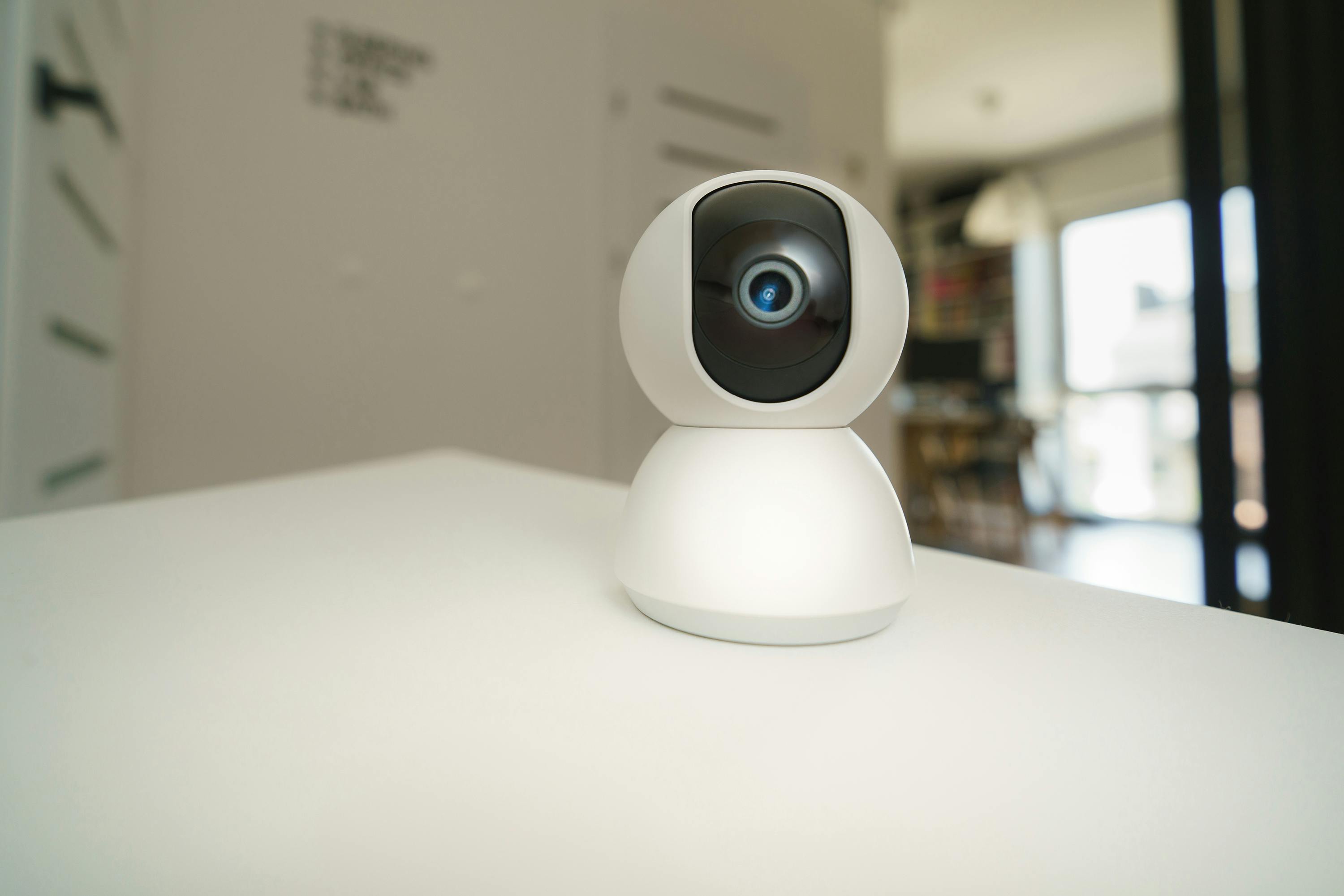
Understanding this interconnected dance reveals that the essence of modern security lies in the intelligent choreography of technology. It’s about crafting a narrative of safety where every element—be it a fixed camera, a PTZ, or a motion sensor—works in concert. As security threats evolve, so too must our systems, blending sophistication with simplicity to forge an unbreakable bond between human intuition and digital vigilance.
Benefits of Installing Security Alarm and Camera Systems
Enhanced Property Protection
In an era where unpredictability lurks around every corner, the true power of a security alarm and camera system lies in its ability to transform your property into an impenetrable sanctuary. A recent survey revealed that homes with integrated security systems are 3 times less likely to be targeted by intruders. It’s no longer just about deterrence; it’s about creating a fortress where peace of mind reigns supreme. When you install a security alarm and camera system, you’re not only safeguarding possessions but also shielding your loved ones from the shadows of uncertainty.
Enhanced property protection goes beyond simple crime prevention. Modern systems offer real-time alerts, remote monitoring, and detailed footage that can be pivotal in resolving disputes or halting suspicious activity before it escalates. The layered security approach provides a palpable sense of control—empowering homeowners with the ability to oversee their premises from anywhere, at any time. This level of protection isn’t just a luxury; it’s an essential part of modern living, elevating your property’s defence to a supernatural level of vigilance.
Deterrence of Crime
When faced with the unpredictable chaos of modern life, the presence of a robust security alarm and camera system acts as a silent sentinel, subtly asserting control over one’s sanctuary. The real power of such systems lies in their ability to serve as a formidable deterrent to crime. Intruders, driven by the desire for quick, unnoticed access, tend to think twice when faced with visible signs of security measures.
Studies have shown that properties equipped with security alarm and camera systems are significantly less likely to be targeted. The mere sight of cameras and alarms creates an almost psychological barrier—raising the perceived risk for potential offenders. This deterrence isn’t just about preventing theft; it is about fostering an environment where safety feels innate, almost instinctive. In a world where uncertainty lurks, the decision to install a security alarm and camera system becomes an act of moral assertion, a stand against the chaos that threatens our peace of mind.
- Visible security measures act as a powerful psychological barrier, dissuading potential intruders before they even move closer.
- Real-time alerts allow homeowners to respond immediately, reducing the window of opportunity for criminal activity.
- Remote monitoring transforms your smartphone into a vigilant eye, constantly watching over your property—anytime, anywhere.
Ultimately, the installation of a security alarm and camera system fosters a sense of assurance that transcends mere property protection. It invites a deeper reflection on how vulnerability can be mitigated through modern technology, turning the mundane act of security into a moral stance—an affirmation that safety is a right, not a privilege.
Remote Monitoring and Control
Imagine your property as a fortress, but without the medieval charm. Installing a state-of-the-art security alarm and camera system transforms your home into an unassailable citadel, deterring even the most brazen intruders. The beauty? Modern technology offers remote monitoring and control, turning your smartphone into a vigilant sentinel—keeping watch over your castle from the beach, the office, or even the yoga class. No more fumbling for keys or worrying if you locked the front door; with a security alarm and camera system, you’re always in command.
By integrating remote access features, homeowners can tailor their security measures with ease. Whether it’s adjusting alarm settings, viewing live footage, or receiving instant alerts about suspicious activity, control is at your fingertips. This constant connectivity doesn’t just provide peace of mind; it creates an active defence, allowing swift responses to potential threats. Plus, the added layer of surveillance discourages would-be burglars before they even consider making a move, making your property a less attractive target.
Evidence Collection for Incidents
In a world where uncertainty lurks around every corner, the ability to gather concrete evidence can be the difference between justice and regret. A security alarm and camera system does more than just deter; it captures the silent truths of a moment—preserving crucial details that may otherwise be lost in chaos. These systems serve as an impartial witness, recording every movement and sound, ensuring that nothing slips through the cracks.
When an incident occurs, having high-quality footage can expedite investigations and support legal proceedings. The clarity and timestamped recordings provide irrefutable evidence, making it easier for authorities to identify perpetrators and assess the severity of the threat. This tangible proof transforms the intangible fear of vulnerability into a documented account, empowering homeowners with undeniable facts.

Furthermore, the presence of a security alarm and camera system acts as a psychological barrier. Would-be intruders are often deterred by the realisation that every act is being monitored and documented. This dual benefit of prevention and evidence collection elevates property security into a moral stance—protecting loved ones and possessions with unwavering certainty.
Types of Security Alarm Systems
Wired vs Wireless Alarms
Security alarm and camera systems have become essential in safeguarding property, but choosing the right alarm type is crucial. Wired alarms offer a reliable, tamper-proof connection, ideal for fixed property setups. They require professional installation, with cables running through walls, which can be disruptive but ensures a stable signal. In contrast, wireless alarms provide flexibility and ease of installation. They use radio signals to connect sensors and control panels, making them perfect for homes or buildings where wiring is impractical.
Many homeowners prefer wireless security alarm and camera systems for their convenience and quick setup. However, they can be vulnerable to interference or hacking if not properly secured. When selecting between wired and wireless options, consider the environment and specific security needs. For example, a large estate might benefit from a hybrid system, combining both approaches for optimal coverage. Ultimately, the right choice depends on your property’s layout and your security priorities.
Monitored vs Unmonitored Systems
In the realm of security alarm and camera system technology, understanding the distinction between monitored and unmonitored systems can be the difference between peace of mind and vulnerability. Monitored security alarm and camera systems are the vigilant guardians of your property, signalling alarm activation directly to a dedicated monitoring centre. This constant watchfulness ensures immediate response from emergency services, transforming a mere alert into a proactive safeguard.
Conversely, unmonitored systems rely solely on audible alarms or notifications sent to homeowners. They offer a more autonomous approach, often at a lower cost, but demand vigilant human intervention. Many homeowners appreciate the simplicity of unmonitored systems, yet the reassurance of a monitored setup—especially in high-value properties—cannot be overstated.
For those seeking tailored security, a hybrid approach can be advantageous. It combines the immediate alertness of unmonitored alarms with the professional oversight of monitored systems, providing a layered shield against intrusion. The choice ultimately hinges on your property’s unique security needs and your comfort with proactive versus reactive measures.
Smart Alarm Systems
Security alarm and camera systems are evolving fast, offering a variety of options tailored to different needs. Smart alarm systems, for example, bring advanced features that make home security more intuitive. These systems often integrate with mobile apps, enabling remote control and instant alerts. They can also learn from your routines, adjusting their responses accordingly, which enhances overall protection.
Some systems are designed for easy installation and flexible expansion. You might start with a basic setup and add sensors or cameras later. Many smart alarm systems include features like motion detection, night vision, and cloud storage, ensuring comprehensive coverage. Choosing the right system depends on factors such as property size, value, and personal comfort with automation.
For those seeking a balance, hybrid systems combine traditional wired components with wireless connectivity. This approach maximises reliability while maintaining flexibility. Whether wired or wireless, the key is selecting a security alarm and camera system that aligns with your specific security priorities. The right choice offers peace of mind and immediate response when it matters most!
Types of Security Cameras
Indoor vs Outdoor Cameras
When it comes to safeguarding your property, the choice between indoor and outdoor security cameras can make all the difference. Indoor cameras are discreet sentinels, providing peace of mind inside your home or office, while outdoor cameras are rugged guardians, built to withstand the elements and monitor your perimeter effectively. Each serves a unique purpose in a comprehensive security alarm and camera system, ensuring every angle is covered with precision.
Outdoor cameras often feature weather-resistant casings, night vision, and wide-angle lenses, making them ideal for deterring intruders before they even approach. Meanwhile, indoor cameras excel at monitoring activity within your premises, offering real-time footage that can be accessed remotely. Understanding the distinctions between these two types helps optimise your security setup, heightening the overall safety of your property.
- Assess the environment and threats specific to your property.
- Choose cameras with appropriate features such as motion detection or audio capability.
- Ensure seamless integration with your existing security alarm and camera system for comprehensive protection.
HD, 4K, and Night Vision Cameras
When it comes to securing your property, not all security cameras are created equal—some boast HD clarity, others push the boundaries with 4K resolution, and a few are equipped with night vision so sharp, they could give nocturnal predators a run for their money. The right choice hinges on your specific needs, whether it’s capturing every pixel of a suspicious activity or monitoring in pitch darkness. A top-tier security alarm and camera system should offer a blend of these features, ensuring no detail slips through the cracks.
High-definition (HD) cameras deliver crisp visuals that make identifying faces and license plates a breeze, while 4K cameras elevate this to a whole new level of detail—think of it as upgrading from a standard map to a detailed city atlas. Night vision cameras, on the other hand, are the unsung heroes of 24/7 surveillance, providing clear footage even in complete darkness. Some models combine all three, creating a veritable surveillance Swiss Army knife that’s as versatile as it is vigilant. For those serious about security, investing in a security alarm and camera system with these advanced features is not just smart—it’s essential.
Motion-Activated vs Continuous Recording
When it comes to safeguarding your property, understanding the different types of security cameras can make all the difference. Motion-activated cameras are a marvel of modern security alarm and camera systems—they spring into action the moment movement is detected, conserving storage and bandwidth while providing instant alerts. These cameras are perfect for active monitoring, allowing you to focus on relevant footage without sifting through hours of static. Conversely, continuous recording offers a relentless watch, capturing every second of activity, whether you’re home or away. This approach ensures no subtle detail is missed, especially in high-stakes scenarios.
- Enhanced security with comprehensive footage
- Ideal for high-value properties
- Requires ample storage capacity
Choosing between these modes hinges on your specific needs: do you prefer targeted alerts or a complete surveillance tapestry? A top-tier security alarm and camera system often combines both options, giving you the flexibility to tailor your security to the unique rhythms of your property. With such versatility, your home or business becomes an impregnable fortress—alert, aware, and meticulously monitored at all times.”
Doorbell Cameras
Among the myriad options available in the realm of security alarm and camera system, one category stands out for its versatility and strategic deployment—types of security cameras. These devices are not mere accessories but vital sentinels, each tailored to specific surveillance needs. Doorbell cameras, for instance, have evolved beyond simple notification tools; they serve as both a front-line deterrent and a means to capture high-definition footage of visitors, deliveries, and suspicious activity. Their integration with a security alarm and camera system transforms the front door into an active security node—an ever-watchful eye that discourages unwelcome intrusions.
Beyond doorbell cameras, the market is replete with options that serve specialised roles. Indoor cameras excel at capturing subtle behavioural cues within the home environment, while outdoor cameras are engineered to withstand the elements while providing comprehensive coverage of property perimeters. For those seeking a layered approach to security, a combination of these cameras—perhaps supplemented by pan-tilt-zoom technology—can create an impregnable surveillance mosaic. Such diversity ensures your security alarm and camera system adapts seamlessly to the unique contours of your property’s vulnerabilities.
Factors to Consider When Choosing a Security System
Coverage Area and Layout
Choosing the perfect coverage area and layout for your security alarm and camera system is akin to designing a high-stakes game plan—every inch counts! A well-placed system not only maximises protection but also minimises blind spots that intruders love to exploit. Think about the most frequented entry points, vulnerable corners, and secluded backyards. After all, a security alarm and camera system should act like an invisible sentinel, keeping watch 24/7.
Factors such as the size of the property, landscape features, and the typical activity patterns of residents play a pivotal role. For example, outdoor cameras should be weatherproof and strategically positioned to capture clear images in low light, while indoor sensors need to cover essential interior zones.
- Entry points
- Perimeter boundaries
- Dark corners and hidden spots
Paying careful attention to layout ensures the security alarm and camera system functions seamlessly, offering a true sense of safety in an unpredictable world.
Connectivity and Internet Requirements
In today’s interconnected world, a reliable security alarm and camera system hinges heavily on seamless connectivity. Without a stable internet connection, even the most sophisticated system can become a liability rather than a safeguard. It’s essential to assess your property’s internet infrastructure—does it support high-speed broadband or fibre-optic connections? This can directly influence the performance of your security alarm and camera system, especially when it comes to remote monitoring and real-time alerts.
For rural properties or areas with spotty coverage, consider investing in systems that offer cellular backup options. These ensure your security alarm and camera system remains operational, even during internet outages. Additionally, check the compatibility of your chosen system with your existing home network to prevent connectivity hiccups that could leave blind spots vulnerable to intruders.
Some security alarm and camera systems rely on Wi-Fi, while others utilise Ethernet connections for enhanced stability. If your property’s layout creates areas with weak signals, a mesh network can provide consistent coverage throughout, ensuring every corner, from secluded backyards to dark alleyways, is under vigilant watch.
Integration with Smart Home Devices
When selecting a security alarm and camera system, the integration with smart home devices becomes a crucial consideration—yet it’s often shrouded in shadows and misinterpretation. The real question is: does your chosen system seamlessly meld with your existing ecosystem, or will it summon chaos in the form of connectivity dead zones? A truly intelligent security alarm and camera system should communicate effortlessly with voice assistants, smart locks, and lighting controls, weaving a web of vigilant protection around your sanctuary.
In this darkened dance of technology, it’s vital to scrutinise compatibility—ensuring the system’s protocol aligns with your smart home hub. Otherwise, the fragile harmony could fracture, leaving you vulnerable. Some systems boast open-source compatibility, allowing custom integrations that transform your home into a fortress of interconnected defences. Remember, a seamless symphony of devices amplifies your security posture and simplifies remote management, turning what once was complex into a whisper of control. The choice hinges on features such as automated routines, real-time alerts, and remote access—elements that elevate your security alarm and camera system from mere deterrents into active guardians of your domain.
Specifically, consider the following:
- Compatibility with voice-controlled assistants like Alexa or Google Home
- Ability to integrate with smart locks and lighting for automated responses
- Ease of remote management through dedicated apps or platforms
In this labyrinth of choices, the true mastery lies in selecting a system that offers both versatility and resilience—an unyielding sentinel that adapts to the shifting shadows of your property, ensuring that no corner remains unseen, no intruder unchallenged.
Budget and Cost Factors
When navigating the labyrinth of choices for a security alarm and camera system, the question of budget often looms large. Cost isn’t merely a matter of sticker price; it encompasses ongoing expenses, installation intricacies, and future-proofing investments. A system that appears affordable today might falter under the weight of hidden fees for upgrades, maintenance, or connectivity issues.
Factors such as the sophistication of features—like advanced motion detection, cloud storage, or AI-driven analytics—inevitably influence overall expenditure. Think about the longevity of your investment; a system with scalable capabilities and seamless integration can save you money in the long run.
To truly grasp the worth of your security alarm and camera system, scrutinise the total cost of ownership, and weigh it against the peace of mind it provides. After all, security isn’t just a purchase—it’s a strategic shield that must adapt and endure.
Ease of Use and Maintenance
Choosing a security alarm and camera system isn’t merely about the latest gadgets; it’s about selecting a solution that marries ease of use with effortless maintenance, ensuring that your peace of mind remains intact without adding stress. A complex system, no matter how sophisticated, can quickly become a burden if it’s difficult to operate or requires frequent technical intervention. When evaluating options, consider user-friendly interfaces—intuitive apps and straightforward controls make a world of difference in day-to-day security management.
Moreover, maintenance should be seamless. Opt for systems that offer remote diagnostics or automated updates, so you’re not caught off guard by unexpected downtime. An ideal security alarm and camera system will be resilient, requiring minimal upkeep, yet adaptable enough to grow with your needs. Remember, the true strength of your security lies not only in the technology but in how effortlessly it integrates into your life. After all, security is most effective when it’s as natural and unobtrusive as a gentle watchful eye.
Installation and Maintenance Tips
Professional vs DIY Installation
When it comes to safeguarding your sanctuary, the choice between professional and DIY installation of your security alarm and camera system can feel akin to choosing between a bespoke suit and off-the-rack. Intriguingly, studies suggest that professionally installed systems tend to boast higher reliability and fewer false alarms — a small but significant detail. After all, a security alarm and camera system isn’t merely about technology; it’s about peace of mind, which deserves a touch of finesse.
Opting for professional installation ensures that every component is optimally positioned, the wiring is discreetly concealed, and the system seamlessly integrates with existing infrastructure. However, for the tech-savvy or those with a penchant for hands-on projects, a DIY approach offers the thrill of control and potential savings. If you decide to go the DIY route, consider these essential steps:
- Thoroughly review the manufacturer’s guidelines.
- Prioritise securing cameras at strategic vantage points for maximum coverage.
- Test the system meticulously post-installation to confirm all sensors and alarms are functioning flawlessly.
Whether you choose the meticulous expertise of a professional or the adventurous spirit of a DIY enthusiast, remember that maintaining your security alarm and camera system is an ongoing affair. Regular checks, firmware updates, and a keen eye for emerging vulnerabilities will ensure your fortress remains impenetrable — or at least, convincingly so!
Scheduling Regular System Checks
Maintaining a security alarm and camera system isn’t a set-and-forget affair. Regular checks are the secret sauce to ensuring your fortress remains impenetrable — or at least convincing enough to deter the nosiest of intruders. Think of it as a health check-up for your tech; a quick review can prevent costly breakdowns and pesky false alarms that drain your patience (and your energy bills!).
Scheduling routine inspections allows you to catch vulnerabilities before they become a problem. For instance, verify that all cameras have a clear line of sight and aren’t obstructed by overgrown foliage or misplaced furniture. Test your sensors and alarms to confirm they respond promptly when triggered. Remember, a security alarm and camera system is only as good as its last calibration.
Incorporating a simple maintenance routine can be as straightforward as following these steps:
- Check connectivity and power sources—no one likes a dead battery or lost Wi-Fi connection.
- Update firmware regularly to patch vulnerabilities and optimise performance.
- Clean camera lenses for crystal-clear footage—smudges are a thief’s best friend.
By dedicating a few moments each month to these essential steps, your security alarm and camera system will stand guard with unwavering vigilance and fewer false alarms, ensuring peace of mind without the unnecessary drama.
Firmware and Software Updates
Keeping your security alarm and camera system at peak performance isn’t just about initial installation; it’s about ongoing vigilance. Firmware and software updates are vital to shield your system from emerging vulnerabilities and to enhance its functionality. These updates often include critical patches that fortify your security alarm and camera system against cyber threats, ensuring your peace of mind remains unshaken.
Regularly checking for updates can prevent frustrating false alarms and connectivity issues. Many modern systems offer automatic updates, but it’s wise to verify that your device’s firmware is current—this simple step can save you hours of troubleshooting down the line. Some systems even provide notifications when updates are available, making maintenance a seamless part of your routine.
- Schedule a monthly review of firmware versions and update logs.
- Ensure your security alarm and camera system is connected to a reliable Wi-Fi network with a strong signal.
- Keep a record of updates to track system performance improvements or issues.
By prioritising firmware and software updates, you’re not just maintaining a security alarm and camera system; you’re safeguarding your sanctuary against the relentless tide of digital threats, all while enhancing the system’s clarity, responsiveness, and longevity.
Troubleshooting Common Issues
Even the most sophisticated security alarm and camera system can become a digital dinosaur if neglected — and nobody wants a security setup that’s more fossil than fortress. Troubleshooting common issues is the secret sauce to ensuring your system remains vigilant. Sometimes, the culprit is as simple as a loose connection or a weak Wi-Fi signal. It’s worth checking your connectivity first—the backbone of any smart security alarm and camera system.
For persistent glitches, a systematic approach can save hours of frustration. Start with a quick reboot; it’s the equivalent of a digital coffee break for your devices. If problems persist, inspecting the power supply and ensuring firmware updates are installed can often resolve compatibility hiccups. Want to keep things smooth? Consider these tips:
- Ensure your security alarm and camera system is within range of your Wi-Fi router to prevent dead zones.
- Regularly clean the camera lenses—dust and smudges are like giving intruders a free pass.
- Check the system’s logs for recurring errors that might hint at underlying issues.
Remember, a little proactive troubleshooting can turn your security alarm and camera system from a potential weak link into the ultimate digital watchdog — robust, responsive, and ready to alert you to trouble before you even notice it’s happening.
Legal and Privacy Considerations
Privacy Laws and Regulations
When it comes to installing a security alarm and camera system, understanding the legal landscape is crucial. Privacy laws and regulations govern how surveillance footage can be collected, stored, and used. Violating these laws can lead to hefty fines and damage to reputation. It’s essential to be aware of local legislation that might restrict recording in certain areas or require clear signage indicating surveillance.
In many regions, it’s a legal requirement to inform visitors if they are being monitored by a security alarm and camera system. This transparency helps prevent privacy infringements and fosters trust. Furthermore, data protection laws, such as the UK’s GDPR, mandate that all recorded footage must be securely stored and only accessible to authorised personnel.
To navigate these legal considerations smoothly, consider implementing practices like:
- Posting visible signs to notify about surveillance
- Restricting access to recorded footage
- Regularly reviewing data retention policies
Adhering to privacy regulations not only keeps you compliant but also demonstrates respect for individual privacy rights, which is vital in today’s data-sensitive environment. Ignoring these legal and privacy considerations can undermine the trust you’ve worked hard to build with your community, making it a critical aspect of any security alarm and camera system deployment.
Proper Camera Placement
As technology advances, the moral landscape surrounding security alarm and camera systems becomes increasingly complex. Proper camera placement isn’t merely about coverage; it’s about respecting privacy rights while safeguarding property. Misplaced cameras or intrusive positioning can inadvertently violate privacy laws, risking hefty fines and irreparable damage to trust. Thoughtful placement considers not only the physical layout but also the ethical boundaries that define a society’s sense of personal space.
To ensure compliance, it’s vital to incorporate clear signage indicating surveillance. This transparency fosters trust and aligns with legal mandates, especially when installing security alarm and camera systems in public-facing areas. Moreover, restricting access to recorded footage and regularly reviewing data retention policies serve as moral guardrails—preventing misuse while maintaining operational integrity.
- Position cameras where they serve their purpose without overreaching into private zones.
- Use signs to clearly notify visitors of surveillance activities.
- Limit access to footage exclusively to authorised personnel.
- Review and update data policies routinely to reflect evolving legal standards.
Balancing security with respect for individual privacy isn’t just a legal obligation; it’s an existential choice. Every decision in the deployment of a security alarm and camera system echoes into the fabric of community trust—undermining it can be as destructive as any intruder. Thoughtful placement and strict adherence to privacy considerations transform a mere collection of devices into a moral act—an affirmation of our collective need for safety and dignity in an increasingly surveilled world.
Data Storage and Security
In the realm of modern security, the importance of aligning technology with ethical standards cannot be overstated. A sophisticated security alarm and camera system does more than deter intruders; it embodies a commitment to respecting individual privacy while safeguarding valuables. Legally, data storage and security are the guardians of this delicate balance. Ensuring that recorded footage remains protected from unauthorised access is paramount—privacy breaches can lead to hefty fines and erode community trust.
To maintain this equilibrium, consider implementing measures such as encrypted data transmission and secure storage protocols. An effective approach might include a layered security model—where access is granted solely on a need-to-know basis—making sure only authorised personnel can view sensitive footage. Here’s a glimpse into best practices:
- Regularly review and update data retention policies to stay in line with evolving legal standards
- Use secure servers or cloud services with robust encryption
- Implement strict user access controls and audit trails
By weaving these principles into the fabric of your security alarm and camera system, you create an environment that is not only safe but also morally sound. Protecting data is not merely an operational necessity; it’s a testament to the integrity of your security measures, echoing a profound respect for privacy within the guardianship of property.
Future Trends in Security Alarm and Camera Technology
Artificial Intelligence and Machine Learning
As technology advances at a breathtaking pace, the future of security alarm and camera systems is set to transform residential and commercial safety altogether. Artificial intelligence (AI) and machine learning are at the forefront of this revolution, promising smarter, more intuitive security solutions. These innovations enable security alarm and camera systems to learn from patterns and adapt in real-time, reducing false alarms and enhancing detection accuracy.
Imagine a security system that not only senses motion but also distinguishes between a wandering pet and an intruder — a feat made possible through sophisticated AI algorithms. Additionally, integration with voice recognition and behavioural analytics will become commonplace, providing an unprecedented level of personalised security. As these systems evolve, expect to see features like predictive threat detection and automated response protocols, making your property safer than ever before. The synergy of AI with security alarm and camera system technology is truly opening a new chapter in intelligent security management.
Integration with IoT Devices
As technology continues its relentless march forward, the integration of security alarm and camera systems with the Internet of Things (IoT) is revolutionising how we protect our homes and businesses. The future is set to bring seamless connectivity, allowing these systems to communicate effortlessly with other smart devices, creating a cohesive security network that feels almost intuitive. Imagine your security alarm and camera system not only alerting you of a breach but also coordinating with your smart locks, lighting, and thermostats to respond automatically—this level of integration enhances safety while offering peace of mind.
One of the most exciting trends is the utilisation of IoT devices to enable real-time data sharing. This interconnected web of gadgets allows for more sophisticated threat detection and immediate response, often with minimal human intervention. For example, a motion sensor might trigger your security alarm and camera system to activate, capture footage, and notify your smartphone simultaneously. As these systems become smarter, expect to see features like customizable automation routines and remote diagnostics, which simplify maintenance and optimise performance.
To enhance the user experience, manufacturers are leveraging security alarm and camera system capabilities with innovative solutions such as:
- Advanced sensor fusion, combining inputs from multiple IoT devices for more precise detection
- Predictive analytics that anticipate potential security breaches before they occur
- Enhanced data security protocols to protect sensitive footage and system information
This integration promises a future where security systems are not only more responsive but also more adaptable, ensuring that both residential and commercial properties remain protected against emerging threats. As the boundaries between different smart devices blur, the security alarm and camera system will become the central hub of a smarter, safer environment—making every property more resilient and easier to manage than ever before.
Cloud Storage Advancements
The horizon of security alarm and camera systems is shimmering with a new dawn—one heralded by advancements in cloud storage technology that promise to transform how we safeguard our premises. As data becomes more central to security strategies, the reliance on cloud solutions ensures that footage and system logs are stored securely off-site, making theft or damage of physical storage devices an obstacle of the past. This shift not only offers peace of mind but also grants instant access to footage from anywhere in the world, fostering a seamless, borderless security experience.
Future trends are trending towards enhanced scalability and smarter data management. Cloud storage advancements now support higher resolutions, such as 4K footage, without sacrificing speed or accessibility. Moreover, the utilisation of artificial intelligence (AI) and machine learning within these systems means that security alarm and camera systems can now automatically prioritise critical alerts, reducing false alarms and focusing attention where it’s needed most. It’s as if these systems are evolving from simple observers to vigilant guardians with a mind of their own.
- The integration of decentralised cloud servers ensures data resilience, safeguarding footage against localisation failures.
- Advanced encryption protocols are becoming standard, fortifying sensitive footage against cyber threats and ensuring compliance with privacy legislation.
- Real-time analytics embedded within cloud platforms enable predictive insights, allowing property managers to pre-empt potential security breaches before they materialise.
With these technological strides, the security alarm and camera system is set to become more than a mere deterrent; it will evolve into a comprehensive, intelligent fortress—one that adapts, learns, and responds with unprecedented precision. As the digital realm intertwines ever tighter with physical security, the future promises a landscape where safety is not just maintained but continuously enhanced through innovation and ingenuity.
Enhanced User Interfaces
Future trends in security alarm and camera systems are set to redefine what we expect from safeguarding our properties. As user interfaces become increasingly sophisticated, the emphasis shifts toward enhanced usability and intuitive controls. Imagine controlling your entire security ecosystem with a single touch or voice command—no more fiddling with complicated menus or deciphering cryptic settings. This evolution promises seamless integration with smart home devices, making security management as effortless as a gentle tap on a smartphone screen.
Moreover, the rise of smart interfaces is accompanied by a move toward personalised dashboards, which display real-time analytics, sensor statuses, and camera feeds in a visually appealing manner. For instance, some systems now feature layered alerts that prioritise critical notifications, ensuring you never miss a vital event. This not only elevates user experience but also makes the security alarm and camera system more responsive and adaptive to individual needs. As technology advances, we can expect these user interfaces to incorporate augmented reality overlays, guiding users through camera placements or troubleshooting with a tap of their device.
In the grand theatre of security innovation, the emphasis on simplicity and intelligence fuels a revolution—transforming these systems from mere deterrents into sophisticated guardians that learn, adapt, and respond with unprecedented finesse. Truly, the future of security alarm and camera systems is as much about human experience as it is about technological prowess. And that, dear reader, is where the true elegance of modern security lies—at the intersection of ease, insight, and cutting-edge ingenuity.
