
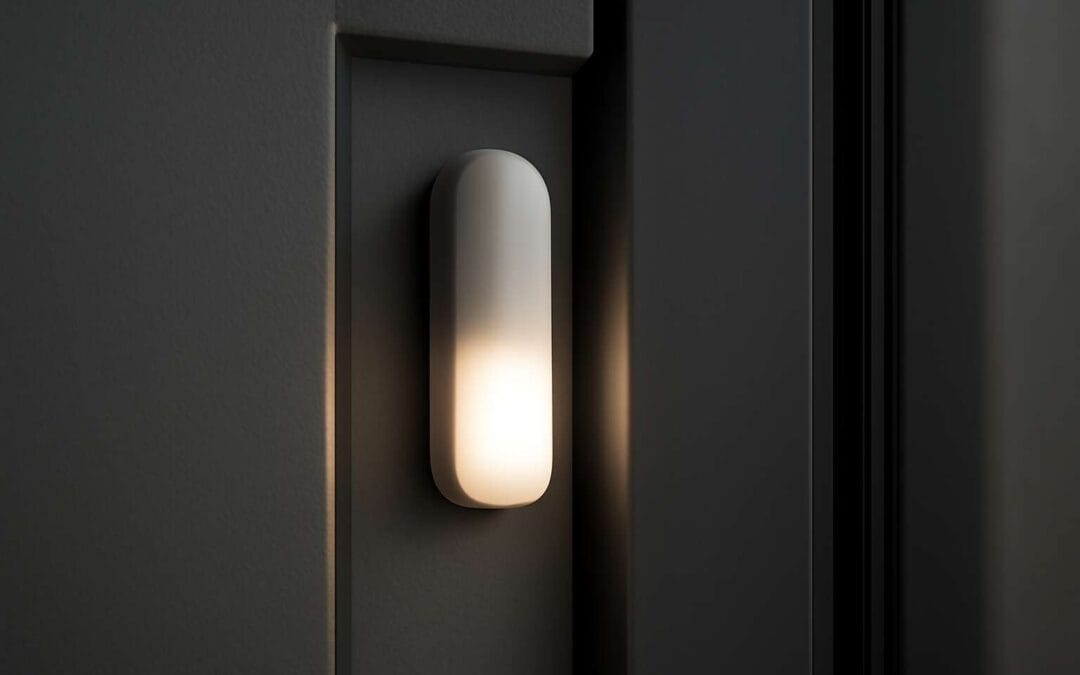
Understanding Security Alarm Sensors
Types of Security Alarm Sensors – Different types used in home and business security
Understanding the myriad forms a security alarm sensor can take is akin to unlocking the secrets of a mystical fortress. These sensors are the vigilant guardians, silently patrolling the perimeter of your sanctuary, whether it’s a humble abode or a bustling business. Each type of security alarm sensor possesses unique qualities, tailored to detect specific threats and provide peace of mind.
Among the most common are motion detectors, which sense any movement within their domain, and door/window sensors, alerting you the moment an entry point is compromised. To deepen your understanding, consider this overview:
- Infrared Sensors: Detect body heat and movement, ideal for tracking intruders at night or in low visibility conditions.
- Ultrasonic Sensors: Use high-frequency sound waves to monitor changes in space, perfect for large areas requiring comprehensive coverage.
- Vibration Sensors: Respond to physical impacts, such as breaking glass or forced entry, providing an extra layer of security.
The versatility of security alarm sensors extends into their ability to be customised, creating an intricate web of protection that’s as resilient as it is intelligent. Each sensor type acts as a silent sentinel, working tirelessly to safeguard what matters most.
How Security Alarm Sensors Work – Basic principles of sensor operation
Security alarm sensors are the unseen sentinels that create a formidable barrier around your property. At their core, these sensors operate on fundamental principles of detecting change—be it movement, heat, vibration, or sound. When a breach occurs, they trigger an alert, alerting you to potential threats before they escalate. This seamless operation relies on sophisticated yet intuitive technology, designed to recognise normal activity from suspicious activity with precision.
Most security alarm sensors function through a simple process: they continuously monitor their environment, awaiting specific triggers. For example, infrared sensors sense heat signatures, while ultrasonic sensors emit high-frequency sound waves to detect motion over large areas. Vibration sensors, on the other hand, respond to physical impacts, such as glass breaking or forced entry. Their sensitivity is calibrated carefully to avoid false alarms but remain alert to genuine threats.
Understanding how security alarm sensors work reveals their silent vigilance—each one a crucial piece of an intricate security network. This layered approach ensures that every potential breach is met with an immediate response, making your safety not just a priority but an assured reality.
Key Features to Consider – Sensitivity, range, and reliability factors
In the intricate dance of modern security, understanding the key features of a security alarm sensor can make all the difference. Sensitivity is paramount—too high, and false alarms may flood your system; too low, and genuine threats could slip through unnoticed. Achieving the perfect balance ensures your security alarm sensor responds precisely to real threats without unnecessary interruptions.
Range is another vital consideration. A sensor with an extensive detection radius can cover larger areas, reducing blind spots and providing peace of mind. Whether guarding a sprawling estate or a compact office, selecting a sensor with an appropriate range enhances your overall security network. Reliability, however, is the cornerstone of trust. A high-quality security alarm sensor must operate seamlessly over time, resisting environmental factors like dust, humidity, and temperature fluctuations.
- Sensitivity levels calibrated to distinguish between normal activity and potential intrusion.
- Detection range tailored to the specific layout and size of your property.
- Consistent reliability, ensuring the sensor remains vigilant regardless of external conditions.
By prioritising these features, you ensure your security alarm sensor becomes a steadfast guardian—silent yet unwavering—protecting your sanctuary with precision and grace. When selecting a security alarm sensor, these factors will guide you towards a solution that offers both peace of mind and cutting-edge security technology.
Advantages of Using Alarm Sensors – Benefits for security and peace of mind
In the symphony of safeguarding your sanctuary, a security alarm sensor acts as the vigilant conductor, orchestrating an unyielding watch over your domain. These discreet sentinels, equipped with the precision of a master craftsman, offer a tangible sense of assurance amid the chaos of modern life. Their advantages stretch beyond mere detection; they forge an invisible barrier of peace that calms even the most restless minds.
The true power of a security alarm sensor lies in its ability to provide layered security, catching threats before they fully manifest. Imagine a silent guardian, ever-alert, capable of distinguishing between familiar footsteps and unwelcome intruders. This perceptive discernment is vital, ensuring your security system responds only to genuine threats, thus avoiding false alarms that can erode confidence.
- Enhanced deterrence through visible security sensors
- Immediate alerts, reducing response times
- Reduced false alarms, saving time and resources
Ultimately, the allure of a security alarm sensor is its promise of peace of mind—an unbreakable vow that your home or business remains under the watchful gaze of technology’s finest. When used wisely, these sensors transform security from a mere precaution into a steadfast, lyrical guardian—silent yet potent, unwavering in its silent vigil.
Popular Types of Security Alarm Sensors
Motion Detectors – Types, functionalities, and best use cases
Motion detectors are the heartbeat of any comprehensive security alarm sensor system, offering a vigilant eye that never sleeps. These sensors detect movement within their designated zones, triggering alerts at the slightest hint of intrusion. Among the most popular types are passive infrared (PIR) sensors, which respond to body heat, making them ideal for residential settings. Microwave motion sensors, on the other hand, use radio waves to cover larger areas and are more resistant to environmental factors. Dual-technology sensors combine both PIR and microwave detection, reducing false alarms and increasing reliability.
Each type of security alarm sensor boasts unique functionalities tailored to specific environments. For example, outdoor motion detectors often feature weather-resistant casings and adjustable sensitivity, ensuring they remain effective regardless of weather conditions. Whether for securing a home’s perimeter or safeguarding a commercial complex, selecting the right motion detector hinges on understanding their distinct capabilities and best use cases.
Door and Window Sensors – How they detect unauthorized entry
In the silent war between safety and intrusion, door and window sensors stand as the frontline guardians of any comprehensive security alarm system. These sensors are designed to detect the slightest breach, turning a simple opening into an alarm-triggering event that demands immediate attention. Their subtle yet persistent vigilance ensures that intrusion attempts, whether deliberate or accidental, do not go unnoticed.
Typically, these security alarm sensors operate through magnetic contacts or contactless technologies. When a door or window opens, the circuit is interrupted, instantly alerting the system to a potential breach. For heightened reliability, many models incorporate dual-technology detection, combining magnetic sensors with other mechanisms to minimise false alarms. In environments where security is paramount, such as banks or high-value residences, these sensors provide an almost instinctual layer of protection that’s both unobtrusive and highly effective.
Glass Break Sensors – Detecting breakage through sound and vibration
Among the diverse array of security alarm sensors, glass break sensors stand out for their specialised function—detecting the shattering of glass through sound and vibration analysis. These sensors serve as silent sentinels in environments where windows and glass doors are vulnerable entry points, such as retail outlets, banks, or high-end residences. When a window breaks, the sensor’s advanced technology picks up the unique acoustic signature, triggering the alarm almost instantaneously.
What makes glass break sensors particularly effective is their ability to differentiate between normal sounds and suspicious activity. They often combine sound detection with vibration sensors to enhance reliability, reducing the likelihood of false alarms caused by loud noises or accidental knocks. Installing these sensors creates an almost instinctual layer of protection, alerting homeowners and security personnel to potential breaches before intruders even make it inside.
- Detects glass shattering through acoustic analysis
- Uses vibration sensors for additional confirmation
- Ideal for high-value properties and commercial spaces
Environmental Sensors – Smoke, carbon monoxide, and humidity sensors
Environmental sensors play a vital role in creating a comprehensive security alarm sensor system, especially in safeguarding lives and property from unseen hazards. Smoke, carbon monoxide, and humidity sensors form an essential triad of environmental sensors that continuously monitor the air quality and parameters within your premises.
Smoke detectors, for instance, are often the first line of defence in preventing fire-related disasters. They detect combustion particles in the air and trigger alarms before flames become visible, providing precious seconds for evacuation. Carbon monoxide sensors, meanwhile, serve as silent guardians, alerting occupants to the presence of this deadly, odourless gas that can cause fatal poisoning.
Humidity sensors, although less obvious, contribute significantly by preventing mould growth and protecting sensitive equipment—particularly in high-value properties and data centres. Integrating these environmental sensors with your security alarm sensor network ensures a multi-layered approach to safety, turning your security system into a vigilant sentinel that safeguards both life and property with unwavering precision.
Installation and Configuration of Security Alarm Sensors
Placement Best Practices – Optimal locations for effectiveness
Effective placement of a security alarm sensor can be the difference between a breach and a false alarm. It’s often the unseen details—like the right height or proximity—that determine sensor performance. When installing these sensors, consider the layout of your property and identify critical entry points that are most vulnerable. A well-positioned security alarm sensor not only maximises detection but also minimises false triggers caused by pets or environmental factors.
Optimal locations are typically near doors, windows, and high-traffic areas, where intrusion is most likely. For instance, door and window sensors should be installed at the frame’s edge, ensuring they activate immediately upon unauthorised opening. Motion detectors are best placed in corners, facing entry pathways, at a height that avoids interference from furniture or drapes. Remember, the goal is to create a seamless network of sensors that work harmoniously—covering every potential point of entry without overlap or gaps.
- Assess the property thoroughly, noting all points of entry and blind spots.
- Install sensors at a height that balances visibility and functionality—typically around 1.2 to 2 metres above ground.
- Avoid placing sensors near heat sources, vents, or direct sunlight, which can compromise their sensitivity.
- Test each sensor after installation to verify optimal coverage and responsiveness.
Wiring vs. Wireless Sensors – Pros and cons of each setup
When considering the installation of a security alarm sensor, the choice between wired and wireless systems can significantly influence both setup and ongoing maintenance. Wired sensors are known for their reliability and resistance to interference; they offer a stable connection that’s less vulnerable to hacking or signal disruption. However, installing them often requires more effort, involving drilling and wiring through walls—an undertaking that might be less feasible in certain properties.
On the other hand, wireless security alarm sensors provide flexibility and ease of installation. They can be placed almost anywhere without the need for extensive wiring, making them ideal for temporary or rental properties. The primary downside is potential vulnerability to interference from neighbouring signals or environmental factors, which can sometimes lead to false alarms.
- Wired sensors typically have a longer lifespan and fewer maintenance issues.
- Wireless sensors offer quick setup and repositioning flexibility.
Ultimately, the decision hinges on the specific needs of the property and the level of security desired. Both setups have their pros and cons, but understanding these nuances ensures the most effective deployment of a security alarm sensor tailored to your environment.
Integration with Security Systems – How sensors work with alarms and smart systems
Installing a security alarm sensor isn’t just about plugging in a device and hoping for the best. It’s a carefully choreographed dance of integration that transforms a simple sensor into a vigilant guardian of your property. The secret sauce lies in seamless installation and smart configuration, ensuring your security system works harmoniously without becoming a digital nightmare.
Modern security alarm sensors are designed for effortless integration with a variety of security systems, from basic alarms to sophisticated smart home networks. Once mounted and connected, these sensors communicate with your central control panel or app, triggering alerts at the slightest hint of trouble. For a truly effective setup, it’s crucial to position sensors thoughtfully—think like a stealthy ninja—covering entry points and vulnerable zones without inviting false alarms.
To streamline the process, consider these steps:
- Ensure compatibility between the security alarm sensor and your existing security system.
- Follow manufacturer instructions for optimal placement and calibration.
- Test sensor responsiveness regularly to prevent unwelcome surprises.
Whether wired or wireless, proper installation guarantees the sensor’s reliability and longevity—making your security system not just smart, but almost psychic. In the grand scheme of home protection, the real magic happens when sensors work in perfect harmony with a comprehensive security alarm system, turning a smattering of gadgets into a fortress of peace of mind.
Maintenance and Troubleshooting – Ensuring sensor efficiency and longevity
Proper installation and configuration of your security alarm sensor are vital for optimal performance. A misaligned or poorly calibrated sensor can lead to false alarms or missed detections, undermining your security system’s reliability. It’s essential to follow the manufacturer’s instructions carefully, paying attention to placement, sensitivity settings, and connectivity. Regular testing ensures the sensor responds swiftly to unauthorised entry or environmental changes, maintaining its vigilance over your property.
Maintenance plays a crucial role in extending the lifespan of your security alarm sensor. Dust, dirt, or debris can impair sensor accuracy, so routine cleaning is recommended. If you notice inconsistent alerts or a lag in response, troubleshooting steps such as checking the wiring, replacing batteries (for wireless models), or recalibrating sensitivity levels may be necessary. These simple actions keep your sensor functioning as intended and prevent costly security lapses.
To streamline troubleshooting, consider these steps:
- Inspect the sensor’s physical condition and clean if needed.
- Verify connections and power sources.
- Test responsiveness from the control panel or app.
Maintaining your security alarm sensor isn’t just about longevity; it’s about ensuring unwavering protection. When sensors are correctly installed, regularly maintained, and promptly troubleshot, they become an almost intuitive extension of your security system—working seamlessly to keep your home or business safe.
Choosing the Right Security Alarm Sensor
Factors to Consider – Size, layout, and security needs
Choosing the perfect security alarm sensor is like selecting a guardian for your sanctuary—one that seamlessly blends into your environment while vigilantly watching over your loved ones. When contemplating which security alarm sensor to deploy, consider the size and layout of your space; a sprawling estate demands sensors with expansive range, while cosy nooks may benefit from more discreet models.
The security needs of your property should guide your decision—whether safeguarding entry points or detecting subtle motion. For intricate layouts, an array of sensors placed thoughtfully can create an invisible web of security, ensuring no corner remains unguarded. The decision between wired and wireless sensors hinges on flexibility and ease of installation, but always remember that the durability of your chosen security alarm sensor influences its long-term performance.
In the quest for peace of mind, selecting a sensor that aligns with your unique environment transforms security from a mere feature into a steadfast protector.
Compatibility – Matching sensors with existing security infrastructure
Matching your security alarm sensor to your existing security infrastructure is akin to finding the perfect dance partner—when they move in harmony, the security rhythm becomes unstoppable. An incompatible sensor can turn your fortress into a dance floor for intruders or, worse, a source of frequent false alarms. To avoid this, assess whether your current setup supports wired or wireless security alarm sensors, and confirm compatibility with your alarm panel. Sometimes, a simple upgrade or adapter is all that’s needed to integrate new sensors seamlessly into your security ecosystem.
One effective approach is to evaluate the sensor’s communication protocol—Zigbee, Z-Wave, or Wi-Fi—and ensure it aligns with your system’s capabilities. If your existing security infrastructure is based on a central hub, choosing sensors that communicate effortlessly with it can save you hours of troubleshooting and frustration. Remember, a harmonious match doesn’t just enhance security; it preserves your sanity!
- Check compatibility with your current security alarm system
- Assess communication protocols (Zigbee, Z-Wave, Wi-Fi)
- Consider the sensor’s power source and wiring needs
Cost and Budget – Pricing considerations and value for investment
Choosing the right security alarm sensor isn’t just about picking the most flashy gadget on the shelf; it’s about value for money and long-term peace of mind. With prices ranging from budget-friendly options to high-end models, there’s a sensor for every wallet—if you know where to look. But beware: a cheaper sensor might save pennies upfront, yet it could cost you pounds in false alarms or missed detections.
Balancing cost and quality is essential. Sometimes, investing a little extra ensures durability, better sensitivity, and seamless integration with your existing security system. To help narrow down choices, consider the following factors:
- Initial cost versus long-term reliability
- Compatibility with your current security infrastructure
- Energy consumption and maintenance needs
A strategic purchase means your security alarm sensor becomes a steadfast guardian, not an expensive paperweight. Remember, a good sensor isn’t just about the price tag; it’s about securing what matters most without breaking the bank.
Latest Innovations – Smart sensors and AI-enabled security technology
In an era where technology evolves at a breathtaking pace, the advent of smart sensors and AI-enabled security technology has revolutionised the landscape of home and business security. These innovations transcend traditional boundaries, offering not just detection but intelligent analysis that preemptively addresses threats. Modern security alarm sensors harness machine learning algorithms to distinguish between genuine threats and benign movements, significantly reducing false alarms and enhancing overall reliability.
Imagine sensors that adapt to their environment, learning the peculiarities of your property and fine-tuning their sensitivity accordingly. This technological sophistication ensures that every security alarm sensor provides a tailored layer of protection, seamlessly integrating into the fabric of your security system. For those seeking the pinnacle of modern security, a few key features—such as real-time alerts, remote access, and compatibility with smart home devices—are indispensable.
To navigate this landscape, consider prioritising security alarm sensors that incorporate these latest innovations. They not only elevate your security but also ensure your investment remains future-proof. As the digital frontier expands, embracing such cutting-edge technology transforms your security measures from mere safeguards to vigilant sentinels guarding your sanctuary.
Future Trends in Security Alarm Sensors
Smart Home Integration – Enhanced automation and control
As the digital landscape evolves, the future of security alarm sensors is poised for a remarkable transformation, especially within smart home integration. Imagine a world where your security system seamlessly communicates with your appliances, lighting, and even your personalised routines—creating an ecosystem of enhanced automation and control. This integration allows homeowners to manage their security alarm sensor with unparalleled ease, empowering them to respond swiftly to threats or automate routine safety checks.
Innovations in artificial intelligence and machine learning are paving the way for smarter sensors that can distinguish between benign activities and genuine intrusions. For example, some security alarm sensors will soon be able to learn your daily patterns, alerting you only when anomalies arise. Such advancements promise heightened accuracy and reduced false alarms, elevating the overall security experience. Additionally, the ability to control and monitor your security alarm sensor remotely via smartphone applications ensures constant vigilance, no matter where you are in the world.
- Real-time alerts and automated responses
- Deeper integration with smart home devices
- Enhanced predictive analytics for proactive security measures
As this technology progresses, expect security alarm sensors to become not just passive detectors, but active guardians within a connected home universe—blurring the lines between security, convenience, and innovation. The future of security alarm sensors is bright, promising smarter, more intuitive safety solutions that adapt seamlessly to our lifestyles.
Artificial Intelligence – Predictive analytics and behavior detection
In the ever-evolving landscape of home security, artificial intelligence (AI) is heralding a new era for security alarm sensors. These sophisticated devices are no longer mere detectors; they are becoming intelligent sentinels capable of predictive analytics and behaviour detection. Imagine a security alarm sensor that learns your daily routines, recognising familiar patterns and alerting you only when an anomaly occurs—such as an unexpected movement at unusual hours or a deviation from normal activity. This real-time analysis transforms security from reactive to proactive, dramatically reducing false alarms and enhancing overall safety.
Advancements in AI enable security alarm sensors to interpret complex environmental cues. For example, some sensors now incorporate machine learning algorithms that can differentiate between a harmless pet wandering indoors and a potential intruder. They can also assess the context—distinguishing a neighbour’s delivery from a break-in attempt—making security systems smarter and more intuitive. Such innovation not only heightens security but also cultivates peace of mind, knowing that your home is guarded by technology that adapts and evolves.
To deepen their capabilities, many sensors now feature
- predictive analytics
- behaviour detection
—tools that anticipate security breaches before they happen. These sensors monitor activity patterns continuously, alerting homeowners via smartphone notifications if anything seems amiss. The integration of AI within security alarm sensors signifies a paradigm shift towards a more vigilant, responsive, and intelligent security ecosystem—an essential component of modern smart homes and business premises alike. The future promises a realm where security alarm sensors function as active guardians, seamlessly blending innovation with everyday safety needs.
Wireless Technology Advancements – Improved connectivity and reliability
Wireless technology continues to revolutionise the landscape of security alarm sensors, promising unprecedented levels of connectivity and reliability. As homes and businesses become smarter, the importance of seamless communication between devices cannot be overstated. Future advancements are set to enhance the robustness of wireless networks, ensuring that security alarm sensors maintain unwavering performance even in complex environments.
One notable trend is the integration of 5G connectivity, which offers faster data transmission and lower latency. This means that security alarm sensors can now relay critical alerts instantaneously, providing real-time protection that is more responsive than ever before. Moreover, the evolution of mesh networking allows sensors to communicate directly with each other, creating a resilient web of security that is less vulnerable to single points of failure.
To further elevate security systems, manufacturers are developing sensors with adaptive frequency switching capabilities. This ensures that signals remain stable, even in areas with high wireless interference. The result? A security alarm sensor ecosystem that is not only more reliable but also more adaptable to the unique demands of each property.
Enhanced Security Standards – Regulations and industry certifications
As technology continues to evolve at a breathtaking pace, the standards regulating security alarm sensors are becoming more rigorous and sophisticated. Governments and industry bodies worldwide are implementing enhanced security standards to safeguard homes and businesses from emerging threats. These regulations aim to set a benchmark for sensor performance, ensuring that every security alarm sensor on the market meets strict criteria for reliability, durability, and effectiveness.
Industry certifications such as EN 50131, UL listing, and CE marking are now essential indicators of a sensor’s trustworthiness. They provide reassurance that the sensor has undergone rigorous testing and adheres to international safety and security protocols. For manufacturers, meeting these standards is not just about compliance but a commitment to delivering products that genuinely protect property and lives.
In an era where cyber and physical threats are increasingly intertwined, future trends in security alarm sensors are expected to push for even higher standards. This includes the integration of artificial intelligence and predictive analytics, which require sensors to operate flawlessly within strict regulatory frameworks. As the industry moves forward, the focus remains on creating security alarm sensors that not only meet but surpass these evolving security standards, offering peace of mind for all users.
