
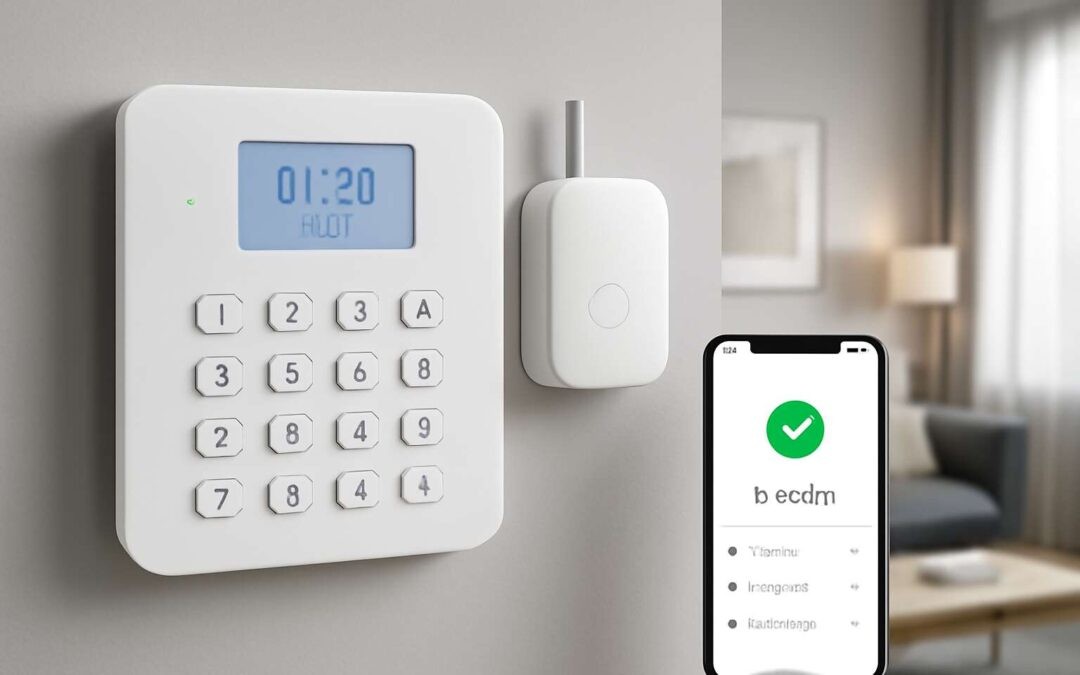
Understanding GSM wireless security alarm systems
What is a GSM wireless security alarm system
In South Africa, real-time alerts have become the heartbeat of modern security. A gsm wireless security alarm system links doors and windows to a cellular network, delivering instant notifications even when power or internet falter. That resilience is practical—a quiet promise that safety travels ahead!
Its choreography includes a control panel, a SIM card, and a backup battery, keeping signals steady as neighborhoods shift. Events translate into clear alerts for monitoring services or a mobile device, delivering swift, actionable insight without fanfare.
Designed with SA living in mind, these systems fuse elegance and reliability, turning everyday spaces into protected havens that respect privacy while inviting peace of mind.
How GSM communication works for alarms
Security hinges on speed and reliability, and GSM links deliver both with a tangible calm. In South Africa, where every second matters, the gsm wireless security alarm system uses a cellular path that keeps alarms moving even when power or broadband fails—an anxious evening turned into quiet assurance.
When a sensor trips, the control panel communicates via the SIM on the cellular network. It can send SMS alerts, place a voice call to a monitoring centre, or push data to a mobile app. This multi-channel approach keeps you informed as events unfold.
- SMS alerts
- Voice calls
- Two-way data with monitoring software
Core components of a GSM alarm system
One second can decide the fate of a night. In South Africa, where the streets hum with tension after sundown, calm is earned, not assumed. The gsm wireless security alarm system stands as a stubborn promise: power may fail, broadband may falter, yet a connection keeps watch over your doorways and windows. Peaceful certainty sneaks in, turning anxious hours into quiet resolve and letting every family breathe a little easier.
- Control panel with an intuitive interface
- SIM card and cellular module
- Indoor/outdoor sensors for doors, windows, and motion
- Backup power to ride out outages
- Monitoring software and alert integration
Understanding this system starts with its core components.
When sensors trip, the system communicates through SMS, voice, and data channels, keeping security teams and households in the loop without delay. The equipment in use is resilient, built to endure South Africa’s power realities and urban unpredictability—while preserving a calm, informed response.
Benefits and limitations of GSM security systems
“Security is not a luxury but a practice of calm,” a seasoned South African guard once said, and the gsm wireless security alarm system turns that practice into nightly reality after dusk.
When the night leaks into the streets, this system speaks in SMS, voice, and data, keeping households and security teams in the loop without delay. Its design honors SA’s power realities—short outages become mere pauses while signals stay vigilant.
- Fast, cellular-backed alerts reach hands and monitoring centers in seconds
- Independent operation during power cuts thanks to backup power
- Relatively straightforward installation with flexible indoor and outdoor sensors
Costs hinge on data usage and monitoring plans, but the payoff is calm evenings and confident screens, even when the city outside hums with a thousand quiet risks.
Choosing the right GSM wireless security alarm system
Factors to consider when selecting a GSM alarm system
Across South Africa, a reliable gsm wireless security alarm system can turn a night of worry into a night of quiet confidence. Security isn’t just gadgets—it’s a mindset that anticipates risk, especially when load-shedding or network hiccups interrupt ordinary flow. Choose one that fits your home’s rhythm: clear alerts, swift reconnection after outages, and intuitive notification settings.
- Cellular coverage and SA network compatibility
- Power options and battery backup
- Monitoring options: 24/7 centers or cloud alerts
- Tamper resistance and easy installation
Think of scalability and updates as tomorrow’s conversation with your home. Favor encryption, reliable firmware updates, and solid local support so your choice endures as communities evolve.
Key features to prioritize including SIM cards signaling and battery backup
In SA, load-shedding is a nightly ritual; a gsm wireless security alarm system that keeps pinging through outages is the difference between sleep and sleeplessness. It should deliver timely alerts when power and networks go quiet.
Key features to prioritize include:
- SIM cards signaling that remains reliable during outages
- Battery backup with ample run-time to cover extended outages
- Regular encrypted firmware updates and robust monitoring options
Also consider scalability and local support: encryption, reliable firmware updates, and simple installation that fits your home’s rhythm. A system with clear alerts and smooth reconnection after outages helps you breathe easier, wherever you are in South Africa.
Compatibility with smart home devices
Power outages are as predictable in SA as a sunset over Cape Town—only the outage doesn’t come with a brag-worthy photo. The right gsm wireless security alarm system offers quiet confidence, letting your smart home breathe and your family sleep easy. Compatibility with your existing devices is not a fancy add-on; it’s the backbone of reliable alerts and smooth reconnection after outages.
When compatibility matters, look for integrations with:
- Amazon Alexa
- Google Home
- Apple HomeKit
Beyond the chatty integrations, encryption, regular encrypted firmware updates, and robust monitoring options do the heavy lifting. A system that scales with your home and offers local support keeps you from chasing wires at midnight. If you want resilience, the gsm wireless security alarm system is the backbone when the grid blinks.
Brand comparisons and reliability
Across South Africa, where load shedding is as predictable as a Cape sunset, choosing the right gsm wireless security alarm system isn’t vanity—it’s peace of mind. When comparing brands, look at uptime guarantees, local service networks, and how smoothly updates install during outages. A dependable system is not flashy; it simply keeps the alerts alive and your family sleeping soundly. The gsm wireless security alarm system offers quiet resilience when the grid blinks.
To differentiate solid options, consider these core strengths:
- Local technical support and installers familiar with SA cellular networks
- Regular encrypted firmware updates and secure remote access
- Transparent monitoring options and straightforward recovery after outages
Ultimately, a brand’s reliability is measured by how well it stands up in real SA conditions—strong coverage, minimal false alerts, and timely service. The right choice blends resilience with clear aftercare, turning a security system into a trusted companion for your home.
Budget and return on investment
Budget is the quiet negotiator when choosing a gsm wireless security alarm system. In South Africa, where outages loom like an uninvited guest at the dinner table, total cost of ownership matters as much as the hardware itself. A flashy price tag is not a pledge; shoppers should seek transparent line items, scalable plans, and predictable monthly fees that cover monitoring and firmware upkeep.
- Upfront hardware and installation costs
- Ongoing SIM/data charges and monitoring fees
- Maintenance, battery replacements, and potential downtime costs
- Firmware updates and security patch cycles
- Insurance considerations and risk reduction measures
ROI in this space favors reliability over flash, valuing dependable uptime and thoughtful aftercare above all else.
Installation and setup best practices for GSM solutions
Planning installation locations for GSM devices
Security is the poem your home deserves, and in South Africa the gsm wireless security alarm system writes it with a clear line. “Security is not a product; it’s a process,” a sentiment I return to when planning coverage that travels from balcony to back room, showing that better placement makes better protection. Planning installation locations for GSM devices means balancing signal quality, power reliability, and discreet aesthetics.

- Signal strength across rooms and outdoor zones
- Power stability and access to battery backup
- Weatherproof enclosures and tamper resistance
- Proximity to entry points and central hubs for smooth communication
With these choices, the gsm wireless security alarm system stays vigilant in the shadows and in the bright light of daily life, a quiet guardian that speaks softly through a South African night.
Step by step setup for GSM alarm systems
“Security is a process,” and the installation phase is where reliability begins. In South Africa, a well-tuned gsm wireless security alarm system keeps daily life calm while the world rushes by. The aim: crisp coverage, steady power, discreet hardware that speaks when needed.
From a practical angle, the setup leans on tidy cabling, clearly labeled zones, and dependable backup power. The process verifies SIM connectivity, checks key-room signal reach, and tests tamper alarms and zone logic—so the system stays vigilant without shouting.
Weatherproof enclosures and sturdy tamper resistance protect the install against SA’s climate. A thoughtful arrangement lets the gsm wireless security alarm system guard the home quietly, yet reliably, through routine days and stormy nights.
Managing SIM cards and data plans for security alerts
Reliability isn’t loud; it’s the hinge that keeps a home calm when storms roll in. In SA, more than half of alarm outages trace to SIM or data hiccups, not hardware. A well-tuned gsm wireless security alarm system rests on smart SIM management and robust data plans, with discreet coverage that guards daily life without shouting.
To frame the approach, these high-level considerations help align SIM cards with security alerts:
- Clear labeling and documentation for each SIM and data plan
- Data plan alignment with alert cadence and potential peak usage
- PIN protection and basic device locking to deter tampering
Weatherproof enclosures and discreet, resilient cabling shield the install from SA’s climate. When the system speaks, it does so softly but with unwavering timeliness, ensuring steady monitoring through routine days and stormy nights.
Troubleshooting common setup issues
Installations in SA are a dance between weather and signal, a quiet art that keeps homes calm when storms roll in. A crisp, well-lit plan turns a fragile signal into a steadfast guardian. A gsm wireless security alarm system rewards patience with dependable alerts.
- Scout the site for strong signal using a meter, and point the antenna toward the nearest tower.
- Mount weatherproof enclosures high enough to shed rain; route cables cleanly and label leads.
- Pre-configure SIMs and data plans, verify power, and test in a controlled mode.
- Document settings in a central log for easy maintenance and consistent alert cadence.
When trouble arises, troubleshooting common setup issues becomes a ritual of verification: check power, confirm SIM activation, validate network strength, and run a live test that proves the system’s timeliness.
Monitoring alerts and response strategies for GSM alarms
Delivery methods for alerts including SMS, calls, and mobile apps
Time is security, a simple truth we live by. In South Africa, rapid alerts are proven to cut response times and limit damage when a gsm wireless security alarm system triggers. Real-time notifications reach the right people regardless of location, keeping properties safer and occupants calmer.
Delivery methods for alerts span SMS, automated calls, and mobile apps. To keep everyone informed, we use a layered approach that confirms receipt and escalates to on-site staff or security partners when needed.
- SMS text alerts for instant, glance-free notification
- Automated voice calls to mobile numbers or landlines
- Mobile app push notifications with status details and location
This multi-channel strategy reduces missed alerts and speeds up response, especially across MTN, Vodacom, and other networks used in South Africa.
Response strategies revolve around acknowledgement, escalation, and documentation. When an alert arrives, the system notes receipt; if there is no confirmation, it escalates to a predefined contact list and logs the event for review. The gsm wireless security alarm system paired with reliable networks keeps teams aligned and ready.
Self monitoring vs professional monitoring options
Monitoring alerts are the heartbeat of security. In a gsm wireless security alarm system, you can choose self-monitoring or professional monitoring. I’ve witnessed the difference: self-monitoring puts control in your hands, with instant alerts on mobile or app screens; professional monitoring summons a trained team that verifies a threat and coordinates an appropriate response.
- Self-monitoring: instant SMS or app alerts to you, with rapid on-site checks
- Professional monitoring: 24/7 responders, rapid verification, and documented escalation
Either path rests on consistent logging, clear escalation, and robust network reliability across SA carriers. When the gsm wireless security alarm system is paired with dependable networks, response becomes more predictable and accountability clearer.
Incident response workflows and reporting
Three minutes can decide whether a threat is neutralized or escalates. With a gsm wireless security alarm system, monitoring alerts must trigger a fast, repeatable workflow you can rely on. Whether you monitor yourself or opt for professional monitoring, the core is clear logging, defined escalation, and dependable networks across SA carriers.
Incident response hinges on verification and disciplined action. Consider these steps:
- Verify the alert with a secondary data point
- Escalate using predefined tiers and contact methods
- Record the response and time stamps for post-incident review
Reporting converts alerts into accountability. A gsm wireless security alarm system should feed clear reports to app dashboards, SMS logs, and call records, creating an auditable trail that improves response predictability and carrier performance.
Privacy and data security considerations in GSM alerts
When a sensor wakes, the clock starts ticking. Monitoring alerts for a gsm wireless security alarm system demand a fast, repeatable workflow you can rely on. A ping to the control app, an SMS, or a call should spark a sequence: verify, escalate, log, and resolve. In South Africa, speed paired with accuracy is the difference between calm and chaos.
- Data minimization: collect only necessary alert data.
- Encryption: protect data in transit and at rest.
- Access controls: enforce least privilege and strong authentication.
- Retention/deletion: define how long records are kept and purged.
Beyond the tech, response hinges on disciplined logging and clear accountability. The gsm wireless security alarm system should record timestamps, operator, and outcomes for post-incident review. Encrypted channels and tamper-evident logs preserve integrity across SA networks, boosting audits and customer confidence. With these safeguards, the system remains vigilant and privacy-conscious, earning trust in South Africa’s security fabric.
Maintenance security risks and ongoing improvements
Regular maintenance and firmware updates
Regular maintenance is more than routine; it’s the shield against the subtle drift that erodes reliability. A recent industry survey found 28% of alarm outages are traced to missed firmware updates in gsm wireless security alarm system deployments. In South Africa’s patchwork of local networks, that gap can become a real vulnerability.
Ongoing improvements hinge on regular maintenance and firmware updates, paired with remote diagnostics that surface issues before they become breaches. When devices stay current, components like sensors, radios, and backup power stay synced with evolving networks and security standards.
- Battery health and power resilience indicators
- Network signal stability and SIM data usage trends
- OTA firmware update status and patch level
In this climate, maintenance becomes a statement of resilience, not a chore.
Avoiding signal interference and ensuring reliable connectivity
Maintenance security risks stalk the corridors of every gsm wireless security alarm system. Regular checks ward off the creeping drift that erodes reliability. In South Africa’s labyrinth of local networks, missed firmware updates and patch gaps become chasms where outages hide in twilight. Avoiding signal interference and ensuring reliable connectivity are not mere niceties—they are the shield that holds the line. Ongoing improvements hinge on regular maintenance and remote diagnostics that surface issues before they become breaches; when devices stay current, sensors, radios, and backup power breathe in step with evolving standards.
- Battery health and power resilience indicators
- Network signal stability and SIM data usage trends
- OTA firmware update status and patch level
In this climate, maintenance becomes a statement of resilience, not a chore. The quiet diligence keeps connections steady and incidents at bay, turning latency into a distant memory.
Security risks specific to GSM systems and mitigations
Maintenance security risks creep through corridors of every gsm wireless security alarm system. In South Africa’s local networks, missed firmware updates and patch gaps become chasms where outages hide in twilight. Regular checks ward off reliability drift; keeping sensors and radios current is a shield that holds the line.
- Remote diagnostics surface issues before they become breaches
- OTA firmware updates and patch management keep devices current
- Battery health and power resilience indicators prevent outages when power is scarce
In this climate, maintenance is resilience embodied—quiet diligence that keeps connections steady and incidents at bay, turning latency into a distant memory!
Protection against SIM swap and tampering
Maintenance is the quiet backbone of a gsm wireless security alarm system. In South Africa, missed firmware updates and SIM-management gaps can turn routine checks into chasms where outages and breaches hide in the margins, lurking until vigilance slips.
Protection against SIM swap and tampering demands deliberate upgrades and monitoring. For the gsm wireless security alarm system, consider these ongoing improvements:
- Dual-SIM resilience with automatic failover and alerting
- Tamper-evident enclosures and sensor-level tamper alerts
- Encrypted OTA updates and signed firmware to prevent unauthorized changes
Maintaining this discipline keeps connections steady and incidents at bay, turning latency into a distant memory for a trusted gsm wireless security alarm system.
