
Choosing the Right DIY Security Alarm System
Assessing Your Security Needs – Determine key areas to monitor and level of security required
In the shadowed corridors of modern security, understanding your sanctuary’s vulnerabilities is paramount. A clever homeowner must first assess their security needs with the precision of a seasoned detective. Not all dwellings require the same level of vigilance—some corners demand discreet sensors, while others cry out for comprehensive coverage. The question lingers: which areas are most susceptible to intrusion?
Determining the key zones to monitor—be it entry points, windows, or secluded alleys—guides the selection process. When embarking on a security alarm diy journey, it’s essential to weigh the level of security needed against the intricacies of your environment. For those seeking a fortress of solitude, a layered approach with motion detectors, door sensors, and surveillance cameras might be necessary. Conversely, a smaller residence could suffice with a few strategically placed alarms.
To streamline your decision-making, consider creating a detailed list of vital zones, prioritising based on risk factors:
- Entrances and exits
- Ground-floor windows
- Secluded outdoor areas
- Valuable internal spaces
Ultimately, choosing the right security alarm diy hinges on your ability to evaluate the unique vulnerabilities of your dwelling—transforming a tangled web of shadows into a well-guarded haven.
Types of Security Alarm Systems – Wired vs. wireless, monitored vs. unmonitored, smart alarms
In the shadowed corridors of security, choosing the right alarm system is akin to selecting a guardian for your sanctuary. The decision between wired and wireless security alarm diy solutions can feel like a leap into the unknown. Wired systems, with their steadfast reliability, require invasive installation—often best suited for those with a penchant for permanence. Wireless alarms, however, offer a ghost-like flexibility, easily adaptable to the ebb and flow of your home’s layout, and simpler to install without disturbing the fabric of your residence.
Beyond the physical connection, one must consider the level of surveillance—monitored versus unmonitored security alarm diy systems. Monitored alarms act as silent sentinels, alerting authorities at the faintest sign of intrusion. Yet, for many, unmonitored options, such as standalone alarms and smart alarms, provide peace of mind without the ongoing subscription. Smart alarms, in particular, weave seamlessly into your digital realm, allowing remote access and real-time alerts, transforming your home into a living, breathing fortress of technology.
Ultimately, the choice hinges on your unique needs and the dark allure of personalised security. Whether you prefer the robust rigidity of wired systems or the sleek convenience of smart alarms, each type offers a pathway into the realm of security alarm diy—an act of defiance against the unseen shadows lurking beyond your door.
Compatibility & Integration – Ensuring compatibility with existing smart home devices
In the intricate dance of modern security, compatibility becomes the silent conductor guiding your security alarm diy masterpiece. When integrating new alarms into your existing smart home ecosystem, it’s vital to ensure seamless communication and harmonious operation. A system that refuses to ‘speak the same language’ risks turning your sanctuary into a fragile mosaic of disconnected parts. The secret lies in choosing alarm solutions compatible with your current smart devices, whether it’s voice assistants, smart locks, or surveillance cameras.
Ensuring compatibility requires a keen eye for detail—verifying supported protocols like Z-Wave, Zigbee, or Wi-Fi, and confirming the alarm’s ability to integrate with your preferred app or platform. This not only simplifies installation but transforms your security setup from a collection of disparate gadgets into a united fortress. For those embarking on a security alarm diy journey, it’s worth exploring the following considerations:
- Device ecosystem compatibility—does your chosen alarm system natively work with your smart home hub?
- Update and firmware support—can it evolve with emerging technology?
- Ease of control—does the system allow remote access via your smartphone or voice commands?
By weaving these elements into your decision, your DIY security system becomes more than just a protective shield—it becomes an extension of your digital life, crafted with precision and purpose. The harmony between devices transforms your security alarm diy from a simple deterrent into an elegant symphony of safety and convenience.
Budget Considerations – Pricing options and long-term cost-saving tips
Choosing the right security alarm diy system is as much about budget as it is about peace of mind. With a broad spectrum of pricing options available, it’s tempting to opt for the cheapest setup—but this can often mean sacrificing essential features or reliability. Instead, consider what you truly need from your DIY security system and balance that against your financial plan. A high-quality alarm doesn’t necessarily have to come with a hefty price tag, especially if you’re willing to invest some time in installation and configuration.
Long-term cost savings can be achieved by selecting systems with firmware support and regular updates, ensuring your security alarm diy remains compatible with emerging technology. Additionally, look for options that minimise ongoing subscription fees—many modern DIY alarms operate without the need for costly monitoring contracts. When evaluating options, it’s helpful to compare features across different price points, such as remote control access, integration capabilities, and expandability. Remember, a well-chosen system can be a worthwhile investment, providing both security and savings over its lifespan.
Essential Components for a DIY Security Alarm System
Sensors and Detectors – Door/window sensors, motion detectors, glass break sensors
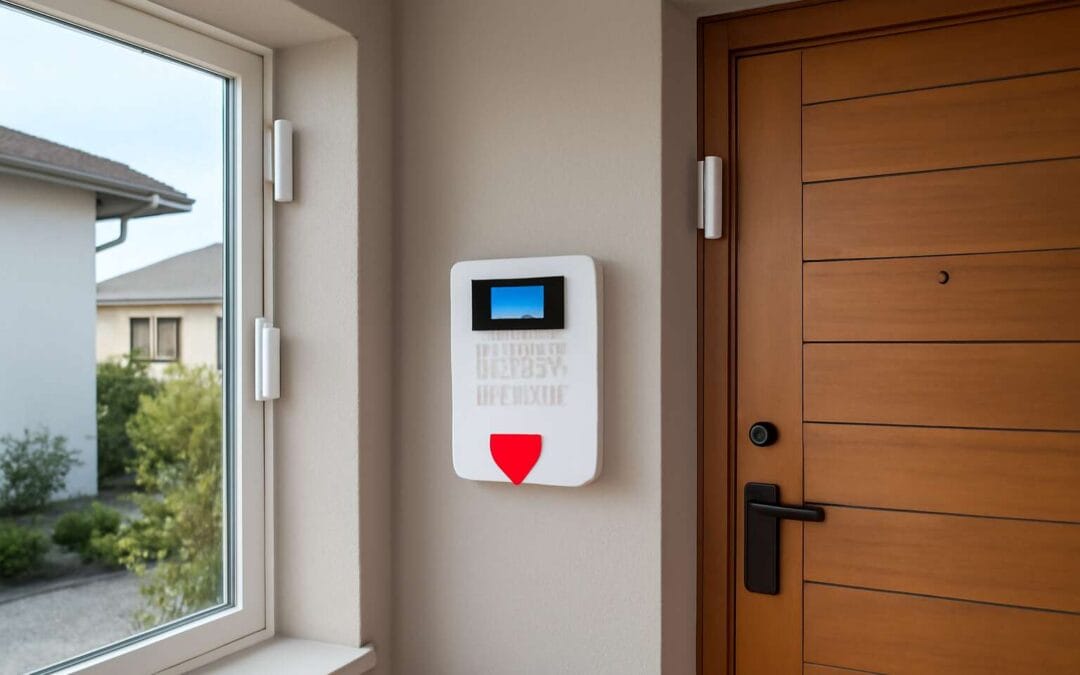
When it comes to crafting your ultimate security alarm DIY setup, sensors and detectors are the unsung heroes—think of them as the vigilant gatekeepers of your fortress. Door and window sensors form the frontline, alerting you instantly if someone dares to breach your perimeter. Motion detectors add a layer of intrigue—detecting movement where you’d least expect it, even when you’re away. Glass break sensors are the sneaky ninjas of the bunch, picking up the telltale shatter of a window, which is often the first sign of unwelcome guests.
To keep things organised, many DIY enthusiasts opt for a combination of these components, ensuring comprehensive coverage. For a more strategic approach, consider this list of essential sensors:
- Door/window sensors
- Motion detectors
- Glass break sensors
By selecting the right assortment of sensors and detectors, your security alarm DIY project transforms from a simple hobby into a formidable barrier against intruders—without breaking the bank or your sanity.
Control Panel & Keypads – Central hub setup and user interface
At the heart of any successful security alarm DIY setup lies the control panel and user interface — the central hub that orchestrates your fortress’s defence. This component acts as the brain, processing signals from sensors and detectors, and ensuring your security system responds swiftly to any breach. A robust control panel not only facilitates seamless operation but also offers room for future upgrades, making your DIY security alarm more resilient over time.
Choosing the right control panel involves considering compatibility with your existing smart home devices and ensuring it supports the necessary communication protocols. Many DIY enthusiasts prefer panels that feature intuitive keypads, touchscreen interfaces, or even remote access via smartphone apps. These elements transform your security alarm DIY from a rudimentary setup into an intelligent sentinel, standing guard with efficiency and ease of use.
Whether opting for a wired or wireless configuration, the control panel serves as the command centre, linking all components into a cohesive unit. For added security, many systems allow the integration of additional sensors or smart home gadgets, elevating your setup from simple deterrence to an all-encompassing security network. Remember, a well-chosen control panel is the keystone that ensures your DIY security alarm remains both reliable and adaptable, protecting what matters most with unwavering vigilance.
Alarm Actuators – Sirens, strobe lights, silent alarms
In the shadowy world of home security, alarm actuators are the silent guardians that command attention when danger lurks. Sirens, strobe lights, and silent alarms form the auditory and visual cues that deter intruders and alert homeowners to potential breaches. A high-decibel siren can send shivers down any intruder’s spine, while strobe lights flash relentlessly, turning the darkness into a battlefield of light and sound. Silent alarms, on the other hand, silently notify authorities, allowing you to keep the threat contained without revealing your hand.
For a truly effective security alarm diy, integrating a variety of actuators ensures a layered defence. Here’s a quick overview of essential components:
- High-powered sirens to create an unmistakable alarm sound.
- Strobe lights that dazzle and disorient intruders during night-time breaches.
- Silent alarms linked to professional monitoring services for discreet alerts.
Choosing the right alarm actuators depends on your unique security needs and the layout of your property. Whether you prefer loud deterrence or stealthy alerts, these components elevate your DIY security system from simple sensors to an intimidating fortress that leaves no room for intruders to hide. Remember, in the world of security alarm diy, the right combination of actuators can mean the difference between a false alarm and a true warning — a crucial edge in safeguarding what matters most.
Connectivity Modules – Wi-Fi, Bluetooth, Z-Wave, Zigbee integration
In the intricate dance of safeguarding your sanctuary, connectivity modules form the vital threads weaving your security alarm diy system into the fabric of modern smart homes. These components transcend basic detection, offering seamless integration and remote control that elevate your security to an art form. Wi-Fi remains the cornerstone, allowing your DIY alarm system to communicate effortlessly with your smartphone or PC, ensuring you stay connected regardless of location.
Bluetooth offers proximity-based automation, creating a close-range dialogue between your devices, ideal for quick access and local controls. Meanwhile, Z-Wave and Zigbee expand the horizon, establishing a mesh network that can link multiple sensors, actuators, and hubs into a cohesive fortress. These protocols are particularly advantageous for expanding your system without cluttering the space with wires or sacrificing flexibility.
For those seeking a layered defence, integrating these modules unlocks options like:
- Remote arming and disarming of your security alarm diy
- Real-time alerts sent directly to your device
- Smart automation features, such as turning on lights or locking doors upon alarm activation
Choosing the right connectivity modules hinges on your property’s layout and your desire for customisation. When woven thoughtfully into your DIY security alarm, these elements provide not just security but peace of mind, transforming your home into a resilient sanctuary guarded by invisible yet unbreakable bonds.
Step-by-Step Installation Guide
Planning Your Layout – Mapping out sensor placement and zones
Embarking on a security alarm diy journey transforms your home into an impenetrable sanctuary. The foundation of this adventure hinges on meticulous planning—visualising a web of safety that seamlessly integrates with your lifestyle. Before diving into installation, map out your layout with precision, considering the unique contours of your environment. This stage is crucial; it’s where your vigilance begins to take shape, transforming abstract concerns into concrete zones of protection.
At this juncture, crafting a detailed plan for sensor placement becomes paramount. Think of it as designing a magical barrier—each sensor a guardian stationed at strategic points. To facilitate this process, consider creating an ordered list of key areas requiring surveillance, such as entry points and vulnerable windows. This methodical approach ensures your security alarm diy setup is both comprehensive and effective, reducing blind spots and bolstering your home’s defence.
- Identify primary entry points: doors, windows, and garage access
- Determine high-traffic zones prone to intrusion
- Allocate space for central control panels for easy access
Visualising the zone layout helps in selecting the appropriate sensors—be it door/window sensors for perimeter alertness or motion detectors for interior security. Remember, each element must work in harmony, creating an unbreakable chain of safeguards that can be tailored to your unique property. When this planning phase is completed with care and precision, your security alarm diy system will operate not just as a reactive measure but as an active guardian, tirelessly watching over your haven.
Gathering Tools & Materials – Tools needed and compatible hardware
Gathering tools and materials for your security alarm diy is akin to assembling a toolkit for an enchanted quest. The right hardware transforms your vision into reality, turning a plan into a living, breathing shield of protection. Begin by collecting essential items such as a drill, screwdriver, wire strippers, and a ladder—tools that serve as your trusty companions on this journey.
Equally important is selecting compatible hardware that harmonises with your chosen system. Consider the sensors—door/window sensors, motion detectors, and glass break sensors—that will serve as vigilant sentinels. For seamless connectivity, ensure you have the correct modules, whether Wi-Fi, Bluetooth, or Z-Wave, to weave your system into your smart home ecosystem.
A well-prepared arsenal of tools and compatible components forms the backbone of your security alarm diy, empowering you to craft a sanctuary where safety is woven into every corner.
Installation Procedures – Mounting sensors, wiring techniques (if wired), configuring devices
Embarking on a security alarm diy project is akin to orchestrating a symphony of safety—each component meticulously placed to create a harmonious shield. Once you’ve mapped out your ideal layout, the next pivotal step involves mounting sensors and wiring devices with precision and care. Proper sensor placement is vital; position door/window sensors at entry points where they can detect the slightest breach, and situate motion detectors in strategic corners to cover maximum area.
If your system involves wired connections, wiring techniques become paramount. Use the correct gauge of wire, and ensure you keep cables tidy and protected to prevent damage or false alarms. When wiring, follow a logical sequence: connect sensors to the control panel, ensuring each wire is securely fastened and insulated to avoid shorts. Here’s a quick overview of wiring the sensors:
- Power off the system to work safely.
- Run cables along walls or within conduits for neatness and durability.
- Connect sensor wires to the corresponding terminals on the control panel.
- Test each connection before sealing walls or panels.
Configuring devices is equally crucial. Once sensors are mounted and wired, access your control panel’s interface—either via web or app—and follow the manufacturer’s instructions to pair each sensor and detector. This process ensures your security alarm diy system operates seamlessly, providing reliable surveillance and instant alerts. Remember, a well-executed installation not only enhances security but also grants peace of mind, knowing your DIY effort has created a fortified sanctuary.
Testing & Troubleshooting – Verifying sensor functionality and alarm triggers
Testing and troubleshooting are the final, yet most vital, acts in your security alarm diy symphony. Once sensors are mounted and wired, it’s time to breathe life into your creation by verifying each component functions flawlessly. This process transforms your installation from a mere setup into a vigilant guardian of your sanctuary. A careful inspection ensures that sensors detect breaches accurately and the alarm triggers without delay, reinforcing your peace of mind.
Begin by activating your system and systematically testing each sensor. For door and window sensors, gently open and close the entries to confirm alert signals are received promptly. Motion detectors should respond instantly when movement is introduced within their coverage zones. If any device fails to trigger or respond correctly, revisit your wiring connections or sensor positioning—sometimes a slight adjustment makes all the difference.
To streamline troubleshooting, consider creating a simple checklist or using your control panel’s diagnostic tools. These features often provide real-time feedback on sensor status, helping you identify potential issues swiftly. Remember, a well-calibrated security alarm diy system is a fortress of reliability, and thorough testing is your best defence against false alarms or blind spots!
Configuring and Managing Your DIY Security Alarm System
Setting Up Mobile and Remote Access – Using apps for control and monitoring
In an era where convenience meets security, configuring and managing your security alarm diy system has become more intuitive than ever. With the proliferation of smart device technology, mobile and remote access are now standard features that empower homeowners to stay in control, no matter where they are. Using dedicated apps, you can arm or disarm your system, receive real-time alerts, and even monitor live feeds from security cameras—right from your smartphone or tablet.
Setting up remote access involves linking your alarm system to your Wi-Fi or Bluetooth network, which often entails a straightforward pairing process. Once connected, you gain seamless control through user-friendly interfaces, allowing you to manage multiple zones and sensors effortlessly. For an added layer of convenience, consider configuring push notifications to keep you informed of any unusual activity, ensuring your security alarm diy remains vigilant around the clock. Integration with existing smart home devices further enhances your system’s versatility, turning your security setup into a central hub for home automation and peace of mind.
Customizing Alerts & Notifications – Email, SMS, push notifications
In the intricate dance between vigilance and vulnerability, the art of configuring and managing your security alarm diy system demands both precision and intuition. Customising alerts and notifications transforms raw data into meaningful signals, ensuring you are not just aware but actively engaged in your home’s defence. Through flexible channels—email, SMS, or push notifications—homeowners can tailor the flow of information to suit their vigilance style. This personalized approach ensures that critical alerts—whether a suspicious movement or a sensor breach—reach you promptly, regardless of your location.
Opting for push notifications, in particular, offers the immediacy needed in today’s fast-paced environment. They deliver real-time updates directly to your smartphone, allowing swift responses to potential threats. For those who prefer a more structured overview, integrating email alerts provides a detailed record of system activity. Meanwhile, SMS alerts serve as a reliable backup, ensuring you stay informed even when internet connectivity falters. The beauty of a security alarm diy system lies in its versatility—by fine-tuning these notifications, you create a custom security net that adapts seamlessly to your lifestyle.
To maximise this, consider a layered notification strategy: critical security breaches trigger instant push alerts, while routine status updates are sent via email. This multi-channel approach enhances your system’s responsiveness and reliability, turning your DIY setup into a vigilant sentinel. Moreover, many systems allow you to configure different alert levels or specific sensor triggers, so you’re not overwhelmed by false alarms. Instead, each notification becomes a purposeful message—an essential component of your overarching security narrative. In essence, configuring and managing your security alarm diy system with customised alerts is about transforming technology into a trusted partner in safeguarding your sanctuary.
Creating User Access & Permissions – Managing multiple users and codes
In the realm of home safeguarding, the true power of a security alarm diy system lies not only in its technological marvels but also in how you control access to its inner sanctum. Managing multiple users and codes transforms your setup from a mere gadget into a personalised fortress. It’s akin to assigning keys to trusted allies—each with specific permissions—ensuring your peace of mind remains unbroken.
Creating user access is a delicate art, involving the careful curation of permissions that reflect each individual’s role. Whether it’s family members, housekeepers, or trusted neighbours, assigning unique codes or digital credentials helps keep the security narrative clear and accountable. A robust security alarm diy platform often allows you to set different access levels, such as full control or limited monitoring, giving you the flexibility to adapt as circumstances evolve.
To truly harness the potential of your DIY security system, consider implementing an organised hierarchy of user privileges. For example:
- Admin users with complete control over settings and permissions
- Family members with full access but limited configuration rights
- Visitors or temporary users granted restricted entry codes
This layered approach ensures that your security remains resilient and adaptable. Managing these diverse access points is as vital as the sensors themselves; each user’s interaction becomes a thread woven into the larger tapestry of your home’s defence.
Regular Maintenance & Updates – Firmware updates, sensor testing, battery replacements
Maintaining your security alarm diy system isn’t just about initial setup; it’s an ongoing journey that ensures your home remains a safe haven. Regular maintenance and updates breathe new life into your security system, fortifying its defenses against evolving threats. Firmware updates, for instance, are vital—they patch vulnerabilities and enhance functionality, much like updating a trusted armour to withstand new challenges.
Sensor testing is equally crucial. Periodically verifying that door/window sensors, motion detectors, and glass break sensors are responsive ensures no unwelcome surprises await. It’s a simple yet powerful step to keep your DIY setup operating at peak performance. Don’t forget about batteries! Replacing them before they run out guarantees your system remains vigilant, especially during power outages.
To streamline this process, consider adopting a routine:
- Schedule sensor testing monthly.
- Keep a log of firmware updates and battery replacements.
- Set reminders for calibration and recalibration of sensors as needed.
Such organised vigilance transforms your security alarm diy into an unbreakable fortress, seamlessly blending technology with proactive care. After all, a vigilant system is the cornerstone of true home security—ready to alert you at a moment’s notice and stand resilient against any threat.
Legal and Safety Considerations for DIY Security Systems
Legal Compliance & Privacy – Understanding local laws and data privacy concerns
Embarking on a security alarm DIY journey is more than just a technological endeavour; it’s a moral act rooted in safeguarding what truly matters. Yet, beneath the allure of autonomy lies a complex web of legal and safety considerations that cannot be ignored. Laws governing security alarm DIY systems vary widely, and ignorance can lead to unintended violations—or worse, legal repercussions. Understanding local regulations, including permits or notifications required for installing alarm devices, is essential to avoid hefty fines or legal entanglements.
Equally vital are privacy concerns. Protecting personal data and respecting neighbours’ rights should be a guiding principle. In some regions, transmitting footage or sensor data without proper protocols can breach privacy laws. To ensure compliance, consider consulting local authorities or legal experts before installation. Remember, a security system isn’t just about deterring intruders; it’s about respecting human rights and fostering trust in your safety measures. When done conscientiously, a security alarm DIY project becomes a testament to responsible independence—an act both morally sound and legally compliant.
False Alarm Prevention – Best practices to avoid false triggers
False alarms are the nemesis of any DIY security alarm system, turning what should be peace of mind into a cacophony of unnecessary panic. A well-placed sensor or a slight gust of wind can trigger alerts, leading to neighbourly disturbances and, worse, potential fines for false alarm violations. To keep your security alarm diy both effective and courteous, meticulous calibration of sensors is paramount. Ensuring motion detectors are set to ignore harmless movements—like pets or passing cars—can save you from unwarranted calls to the authorities.
Furthermore, integrating your system with a professional monitoring service or employing customisable notification settings can help you fine-tune alerts, reducing false triggers. Regular testing of sensors and alarm actuators—such as sirens or strobe lights—also plays a vital role in preventative maintenance. Remember, a cautious approach to sensor placement and routine system checks not only enhances safety but also preserves your reputation as a responsible homeowner. In the realm of security alarm diy, clarity and precision are your best allies against the chaos of false alarms.
Emergency Response Planning – Integrating with local authorities and neighbors
Implementing a security alarm diy isn’t merely about safeguarding property—it’s an act of responsible vigilance that can have profound legal and safety implications. When designing your system, understanding the nuances of emergency response planning is paramount. Connecting with local authorities and neighbours fosters a community-based shield, turning neighbours into vigilant allies rather than mere bystanders. Such collaboration ensures swift action during an emergency, transforming your security alarm diy from a passive deterrent into an active safety network.
To bolster this alliance, consider establishing clear protocols for alarm activation and response. For example, notifying neighbours about false alarms or scheduling regular check-ins can prevent misunderstandings. Moreover, integrating your system with local emergency services through compatible connectivity modules—like Z-Wave or Zigbee—can expedite response times. Remember, adherence to legal standards surrounding alarm notifications and privacy safeguards isn’t just prudent—it’s essential to avoid costly fines or legal repercussions. Creating a comprehensive emergency response plan ensures that your diy security system not only protects your home but also aligns with legal and safety frameworks, fortifying your fortress with community trust and legal compliance.
Warranty & Support – Manufacturer warranties and when to seek professional help
When embarking on a security alarm DIY journey, understanding the legal and safety landscape is not just prudent—it’s imperative. The robustness of your warranty and the support you can expect often hinges on adherence to manufacturer guidelines and legal standards. Many manufacturers offer limited warranties that cover hardware defects and malfunctions, but these can be voided if installation deviates from prescribed procedures or if unauthorised modifications are made. Consequently, knowing when to seek professional help can save both money and peace of mind, especially when dealing with complex wiring or integration issues.
Legal compliance extends beyond warranties; it encompasses data privacy considerations and alarm notification laws. Non-compliance can lead to hefty fines or legal repercussions, particularly when false alarms trigger unnecessary emergency responses. Additionally, certain jurisdictions require registration of security alarm systems or adherence to specific standards to ensure community safety and minimise nuisance alarms. Integrating your DIY security system with support modules like Z-Wave or Zigbee is advantageous but must be done with awareness of compatibility and legal stipulations. Remember, sometimes a professional consultation is the wisest investment—ensuring your security alarm DIY remains both effective and within the bounds of legality.
