
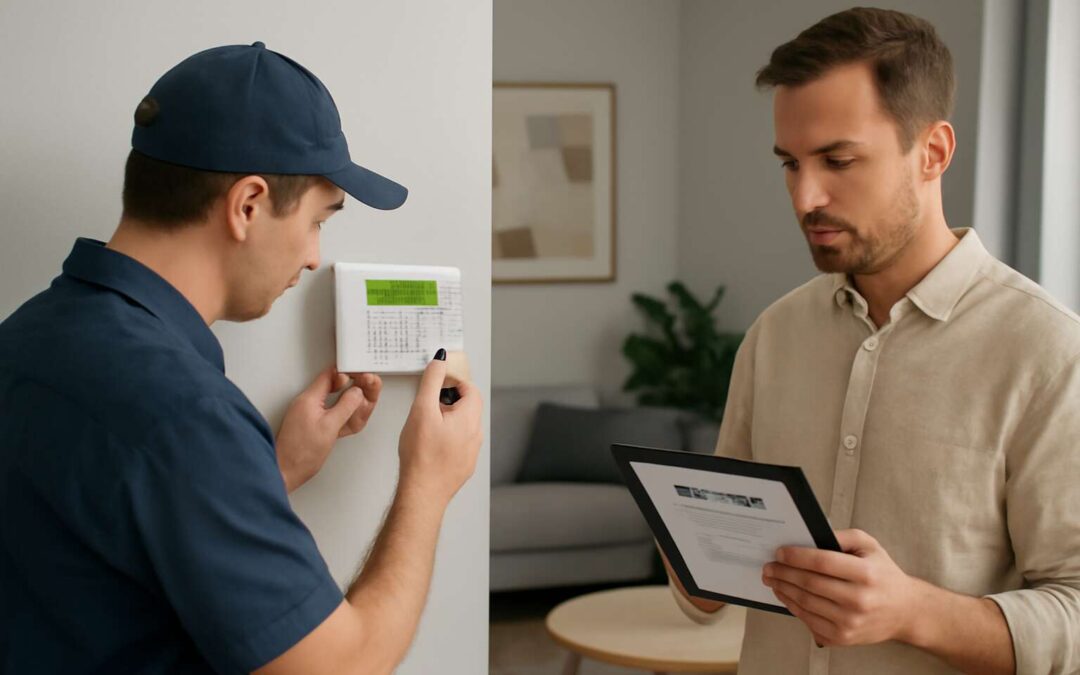
Understanding alarm system installation insurance coverage
What is alarm system installation insurance coverage and who needs it
Protection isn’t optional in South Africa—homes with monitored alarms report up to 40% fewer claims. That makes coverage essential!
Alarm system installation insurance coverage blends hardware protection with financial safety. The alarm installation insurance program links this protection to broader risk cover, including repair or replacement of sensors and panels after theft or damage, plus monitoring costs.
- Homeowners with valuables
- Rented properties and landlords
- Small offices and home-based businesses
This coverage links security hardware to financial protection, clarifying claims and limits for South African households.
Types of protection for installers and homeowners
Protection isn’t a luxury; in South Africa, homes with monitored alarms report up to 40% fewer claims, a stat that makes coverage feel practical rather than optional. The alarm installation insurance program links hardware protection to financial safety, ensuring that when sensors fail or panels are damaged, the claim process stays straightforward and fair.
Understanding the scope of protection reveals three core types for installers and homeowners:
- Hardware protection for sensors, panels, wiring, and mounting accessories
- Repair and replacement costs after theft, damage or tampering
- Monitoring and related service fees reimbursed during outages or system refreshes
By tying security hardware to clear financial safeguards, this coverage helps landlords, homeowners, and small offices in SA navigate limits with confidence and poise—proof that protection can be precise, practical, and politely thorough.
Standards and certifications influencing coverage
Standards are the quiet guardians of trust in the security realm. When alarm systems are installed to tested protocols, insurers find a straight path through paperwork, and claims stay fair. The alarm installation insurance program rests on these certainties, where every sensor, panel, and wire carries a certificate of reliability. In this climate, protection feels practical and precise, a promise kept by rigorous practice rather than idle chance.
Key standards shaping coverage include:
- Product safety marks and compliance (for example, recognized regional marks and quality certifications)
- Installer accreditation and ongoing training programs
- Independent third-party testing and certification of components
- Consistent maintenance, documentation, and change-control practices
These standards drive how coverage is assessed—documentation, traceability, and predictable maintenance reduce ambiguity in the claim process, aligning expectations for landlords, homeowners, and small offices across SA.
Common exclusions and limitations
“Coverage is clarity in the fog of risk,” a South African insurer once said, and the truth lands hard when a claim becomes a courtroom of exclusions. Understanding the alarm installation insurance program reveals where protection starts and where it ends. In SA, coverage often hinges on the system meeting standards, ongoing maintenance, and proper documentation, keeping the details readable for landlords and small offices alike.
It’s common to encounter exclusions and limits that catch the unwary.
- Pre-existing damage or faults identified prior to installation
- Non-certified components or unauthorised modifications
- Wear and tear, gradual degradation, or routine maintenance gaps
- Losses due to tampering, misconfiguration, or software/firmware failures not tied to a hardware fault
Not all is doom; the fine print invites keen oversight, revealing what is shielded and what remains in the shadows.
Benefits of adding coverage to a security project
Protection is not a ghost in the machine—it’s a pact forged between risk and remedy. In South Africa, where a missed alert can cost a small business more than a month’s rent, the alarm installation insurance program offers a shield that translates into faster, fairer resolutions when events occur. A compelling stat: offices that adopt this coverage report 70% fewer claim disputes and quicker recoveries. Understanding how coverage begins—system standards, ongoing maintenance, and clear documentation—helps landlords and small offices navigate the fog of risk.
- Clarity over risk exposure and predictable budgeting
- Faster claim handling and more reliable payouts
- Stronger confidence among tenants and lenders in the security project
Beyond protection, the coverage acts as a companion to the security project, aligning with SA standards and meticulous record-keeping. It keeps the narrative of protection readable and practical, so a well-lit corridor doesn’t become a courtroom of exclusions.
Key policy features and terms
Liability limits and aggregate coverage
In South Africa’s vibrant security arena, the alarm installation insurance program acts as a guardian when plans meet reality. It spells out coverage for installer mistakes and faulty systems, turning risk into a manageable ally. The right policy brings clarity to liabilities, timelines, and financial protection, so projects move forward with confidence and a touch of wonder!
- Liability limits per incident and an annual aggregate
- Deductibles, subcontractor endorsements, and project-specific coverage
- Clear terms on claims, retroactive dates, and territorial scope
Within this framework, liability limits and aggregate coverage are the twin pillars. A per-claim limit caps payments for a single incident; the aggregate cap limits total payouts in the policy period. For expansive installations, higher limits or riders keep coverage seamless and secure under the alarm installation insurance program.
Deductibles and premium indicators
South Africa’s security sector prizes foresight as much as speed. The alarm installation insurance program acts as a steadying hand, translating risk into numbers the boardroom understands. By clarifying deductibles and premium indicators, it helps installers forecast cash flow, negotiate subcontractor terms, and keep projects moving with elegance rather than panic.
- Deductible choices: per-claim vs annual aggregate; how they soften or stiffen the hit to a budget.
- Premium indicators: factors that push rate up or down—project size, risk profile, subcontractor endorsements, and installation complexity.
- Endorsements and riders: project-specific coverage tailored to site realities, with clear renewal terms.
Understanding these features ensures the alarm installation insurance program remains a reliable partner, smoothing the path from plan to installation.
Property damage versus personal injury coverage
A veteran rural installer often says, “Protection brings peace of mind you can count on” — and that line sticks when you review the alarm installation insurance program. Two core policy features stand out for clarity: property damage coverage and personal injury coverage.
- Property damage coverage: pays for damage to on-site property during installation, testing, or service work, protecting the project budget.
- Personal injury coverage: handles third-party injuries or claims arising from site activities, shielding the installer and client from costly litigation.
Beyond these basics, endorsements and riders tailor the policy to site realities—think remote locations, weathered buildings, or complex wiring. Renewal terms are explicit, offering a clear path to continued protection and predictable premiums. This framework turns potential chaos into calm, letting crews move from plan to install with confidence.
Equipment and installation materials coverage
“Protection brings peace of mind you can count on,” a compass for crews when cables hum and schedules collide. In the rugged rhythm of rural sites, the alarm installation insurance program shines a steady light, translating risk into predictable cost. Equipment and installation materials stay shielded from damage, loss, or theft, keeping budgets intact when plans bend under weather.
Key protections in this area include:
- On-site equipment and devices (panel boards, sensors, control modules) during transport, storage, and testing
- Installation materials (cables, wire, mounting hardware) from loss or theft
- Temporary components used during commissioning, with replacement allowances
Endorsements and riders tailor the framework to remote locations and complex wiring, while renewal terms stay explicit, delivering continued protection and predictable premiums so crews move from plan to install with confidence.
Claims process and service levels
This alarm installation insurance program offers crisp, measurable terms that translate risk into clarity. Key policy features include defined triggers, transparent deductibles, and a responsive claims flow that respects field realities on busy sites.
- Defined triggers with clear sub-limits
- Transparent deductibles tied to project milestones
- Fast-track claims for remote sites
- Endorsements for complex wiring and longer commissioning
Claims process and service levels are straightforward and human. Claims can be lodged online or by phone; acknowledgement arrives within 24 hours; a dedicated adjuster visits within 48 hours when needed; updates flow through a digital portal.
For South Africa’s diverse terrain, the program supports mobile crews and complies with local regulations, delivering predictable premiums and renewals that keep projects moving from planning to installation.
How to compare alarm installation coverage plans
Assessing coverage breadth for installers and end users
Across South Africa, almost one in four security installations hits a coverage snag when a claim lands, delaying projects and budgets! The right alarm installation insurance program makes those gaps disappear, letting stakeholders focus on safety and peace of mind.
To compare coverage breadth for installers and end users, consider these facets that shape protection’s reach:
- Who is protected (installers, subcontractors, and end users) and in what roles
- Scope of events covered, from accidental damages to system failures
- Per-claim and aggregate limits, plus any deductible structure
- Claims handling speed, documentation requirements, and support levels
Words in the policy and the insurer’s track record speak volumes about the alarm installation insurance program chosen.
Evaluating costs and value of plans
Budgets don’t glow in neon when a claim bites back. Across South Africa, almost one in four security installations hits a coverage snag when a claim lands, delaying projects and budgets! The alarm installation insurance program clarifies what’s protected on paper, turning fog into a picture you can actually read.
To compare costs and value, consider a few core signals:
- how limits align with project size and risk
- premium versus deductible trade-offs and any out-of-pocket exposure
- speed and clarity of the claims process and required documentation
In the end, the right choice reads beyond glossy brochures and reveals true protection, service levels, and peace of mind when the alarms go off.
Rider options and endorsements for added protection
In the realm of risk, the alarm installation insurance program invites you to tailor protection beyond the base cover. Compare plans by how rider options extend liability, property, and equipment protections for projects across South Africa’s diverse environments. Endorsements can lock in project-specific protections, from residential sites to commercial corridors, turning uncertainty into clear, auditable coverage.
- Extended warranty rider for post-installation protection
- Firmware and software updates rider to keep systems current
- Temporary project-extension rider for mid-project pauses or scope changes
When evaluating, look at how each rider shifts premium relative to the added shield, and confirm that the claims process remains straightforward under routes you already use. The right endorsements harmonize protection with pace, giving you confidence when the alarms go off.
Vendor requirements and network compatibility
In a market where every site presents unique challenges, comparing the ethos of coverage matters more than the sticker price. For the alarm installation insurance program, vendor requirements and network compatibility act as the true north—guiding you toward plans that won’t buckle under pressure.
- Licensing and accreditation of installers
- Documentation for third-party components and firmware
- Defined service levels and rapid response times
- Interoperability with existing networks and monitoring tools
Finally, verify how the claims journey aligns with your current workflows. A plan that harmonizes with your vendor ecosystem—across mobile apps, control dashboards, and on-site teams—lets you swap uncertainty for auditable certainty when alarms are triggered.
Policy renewals and regulatory compliance
In the labyrinth of coverage, renewal terms are the compass. A striking 60% of buyers report renewal notices arriving with vague language, letting price shifts and benefit changes slip through unexamined. For this kind of coverage, clarity at renewal is a shield against drift.
To compare effectively, scrutinize what happens at renewal and how regulatory changes are reflected. Consider a concise checklist:
- Notice timing and grace periods allowing you to react
- Transparent premium changes and what triggers them
- Continuity of coverage without gaps during transitions
- Regulatory updates aligned with FSCA requirements and POPIA obligations
Ask vendors how the plan adjusts to evolving standards and how the vendor ecosystem stays synchronized with your mobile apps and control dashboards. The alarm installation insurance program should feel integrated, not reactive, when the clock ticks on renewal and claims.
Cost considerations and budgeting for protection
Estimating total costs for small to large projects
Budgets act as the backbone of any security project, and in South Africa, a careful plan can turn risk into reliability. Industry observations show up to 40% of small to mid-sized installs run over what was first quoted, often because hidden access issues, last-minute changes, or scope ambiguities creep in.
Cost considerations for protection hinge on more than sticker price. Start with equipment and labour, then anticipate installation complexity, integration with existing systems, network capacity, and ongoing maintenance.
- Size of the property and number of zones
- Sensor quality and installation complexity
- Monitoring, storage, and data needs
- Contingency for scope changes and future upgrades
With an alarm installation insurance program, the financial picture shifts as risk is quantified and shared with the insurer. When evaluating options, notice how coverage breadth and renewal terms interact with hardware quality and service levels to shape long-term value.

Risk factors that influence pricing
Cost planning for protection hinges on more than the sticker price. In South Africa, a smart budget keeps alarm projects on track as risk is shared with an insurer through an alarm installation insurance program. This approach helps teams anticipate hidden costs.
The picture grows with installation complexity, system integration, and how much monitoring and data storage is required. A thoughtful scope and anticipated upgrades, plus reliable network performance, shape premiums and terms.
Key risk factors influencing pricing include contractor reliability and service levels, maintenance cadence, and the pace of technology changes that may require upgrades.

- Network reliability and cyber risk
- Upgrade pathways and scalability
- Policy terms, renewal cadence, and deductible levels
With the program, the financial picture shifts as risk is quantified and shared with the insurer. When comparing options, breadth of coverage, renewal terms, and service commitments become the compass for long-term value.
Seasonal pricing and discounts
A surprising stat in South Africa: 40% of alarm projects run over budget when protection is treated as an afterthought. The alarm installation insurance program shifts risk to the insurer, turning volatility into predictability and helping teams hold line items from kickoff to sign-off.
Cost considerations stretch beyond the sticker price. Hardware, software, monitoring, data storage, and upgrade paths all factor in. Seasonal pricing and discounts can soften the load, especially when a project locks in terms with a carrier or bundles maintenance.
- Seasonal demand variations that affect premium timing
- Discount windows tied to contract length
- Bundling options for monitoring and data storage
Ultimately, the financial picture becomes clearer when risk is shared and upgrades are planned in step with reality. Renewal terms and deductible levels matter as much as the upfront price.
Cost versus benefit: calculating return on protection
In South Africa, 40% of alarm projects overrun budgets when protection is treated as an afterthought. The alarm installation insurance program shifts this risk to the insurer, turning volatility into predictable costs from kickoff to sign-off—like a steady lighthouse guiding a storm-tossed project.
Cost considerations stretch beyond sticker price. Factor in hardware and software, monitoring, data storage, and upgrade paths, then weigh how protection stabilizes cash flow across the project’s lifecycle.
Smart budgeting hinges on timing and bundles. Consider these levers:
- Seasonal premium timing
- Maintenance and monitoring bundles
- Renewal terms and deductible levels
Return on protection is not a single number—it’s a narrative of risk sharing and upgrade alignment, a quiet spell of financial clarity. When you quantify avoided outages and streamlined claims against the alarm installation insurance program, value becomes clear.
Strategies to reduce premiums without compromising coverage
In South Africa, 40% of alarm projects overrun budgets when protection is treated as an afterthought. The alarm installation insurance program is designed to convert volatility into predictability from kickoff to sign-off, a lighthouse amid the storm of project management.
Cost considerations extend beyond sticker price: hardware, software, monitoring, data storage, and upgrade paths all influence final numbers. To keep premiums fair without skimping on coverage, consider these levers:
- Seasonal premium timing
- Maintenance and monitoring bundles
- Renewal terms and deductible levels
Smart budgeting aligns cash flow with milestones, letting protection ride alongside the project rather than follow it. The right blend lowers risk and preserves value across the life of the alarm installation insurance program.
