
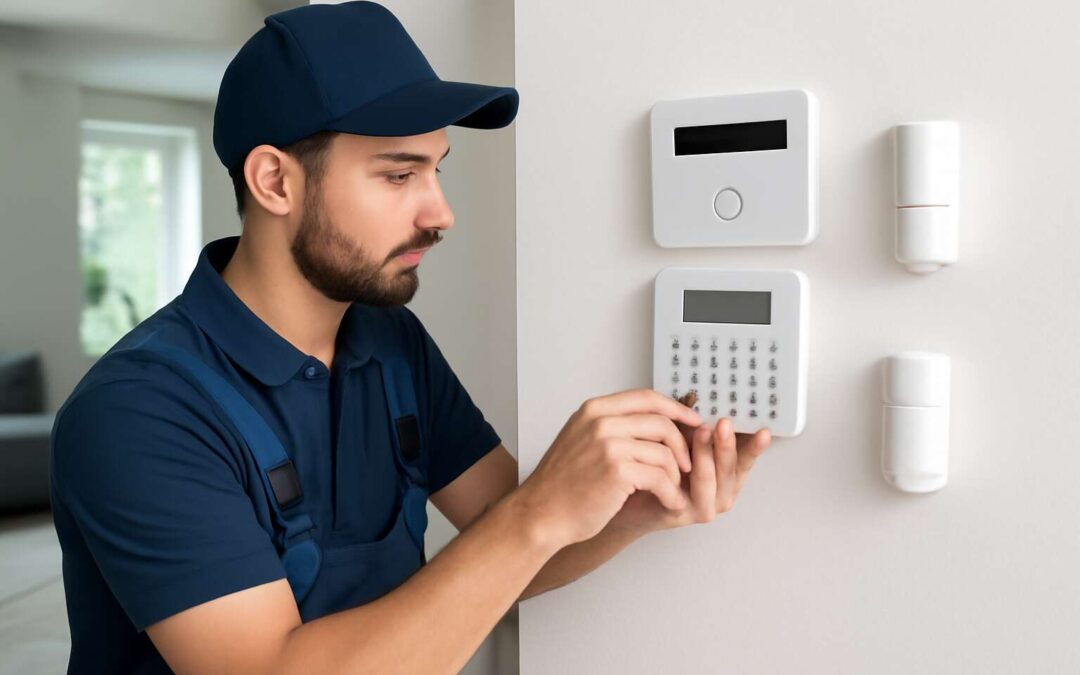
Understanding Alarm Security Systems
What Is an Alarm Security System?
In an era where uncertainty lurks around every corner, understanding what constitutes an alarm security system can be a game-changer for safeguarding your sanctuary. An alarm security system is more than just a loud siren; it’s a sophisticated network designed to detect intrusions, alert you instantly, and often notify authorities before a breach escalates. The technology behind these systems has evolved dramatically, transforming from simple alarms to intelligent guardians that adapt to your lifestyle.
When considering alarm security installation, it’s crucial to grasp the core components that make these systems formidable. These include motion detectors, door and window sensors, control panels, and sometimes even surveillance cameras. Each element plays a vital role in creating a layered defense, ensuring that no sneaky intruder slips past unnoticed. For a comprehensive setup, professionals often recommend a combination of these elements, tailored specifically to your property’s unique vulnerabilities.
- Intrusion detection sensors
- Control panels for centralized management
- Remote access via mobile applications
- Integration with CCTV surveillance
Investing in alarm security installation isn’t just about protecting property; it’s about peace of mind in an unpredictable world. Knowing your home or business is under the watchful eye of a reliable system can transform your sense of safety, allowing you to focus on what truly matters—without fear of the unknown.
Types of Alarm Security Systems
Alarm security systems come in various configurations, each designed to meet different security needs. Understanding the types of alarm security systems available is essential before investing in alarm security installation. The most common options include wired, wireless, and hybrid systems. Wired systems are known for their reliability, as they use physical cables to connect sensors and control panels. Wireless systems, on the other hand, offer flexibility and easier installation, making them ideal for modern homes and businesses in South Africa. Hybrid systems combine both wired and wireless elements, providing tailored security solutions.
Another important aspect is the level of automation and integration. Many advanced alarm security systems now feature remote access via mobile applications, allowing users to monitor and control their security from anywhere. Additionally, integration with CCTV surveillance enhances the layered defense against intrusions. When considering alarm security installation, choosing the right system depends on your property’s specific vulnerabilities and your personal security preferences.
- Wired alarm security systems for durability and stability
- Wireless alarm security systems for convenience and ease of installation
- Hybrid systems that combine the best of both worlds
Benefits of Installing a Security Alarm
Security alarms are more than just a deterrent—they’re a vital component of a comprehensive safety strategy. Installing an alarm security system can dramatically reduce the risk of break-ins, especially in areas where crime rates are on the rise. When you opt for professional alarm security installation, you’re investing in peace of mind and a safer environment for your family or business.
Modern alarm systems offer a range of benefits. They can be seamlessly integrated with other security measures, such as CCTV surveillance, to create a layered defense. Remote access via mobile apps allows homeowners and business owners to monitor their premises in real-time, adding another layer of control and reassurance.
- Enhanced property protection
- Immediate alerts during security breaches
- Potential reduction in insurance premiums
Choosing the right alarm security installation tailored to your specific vulnerabilities can make all the difference. It’s not just about installing a device; it’s about creating a security network that responds swiftly and effectively to threats, offering peace of mind in an uncertain world.
Preparations Before Alarm Security Installation
Assessing Your Security Needs
Before diving into alarm security installation, a little homework goes a long way. Surprisingly, nearly 70% of break-ins happen through unlocked doors or windows, which makes assessing your security needs not just smart—it’s essential! Think of this phase as the strategic planning of your digital fortress, where understanding your vulnerabilities guides the installation process. Are you more worried about intruders sneaking through the back door or perhaps tampering with your garage? Pinpointing these concerns helps tailor an alarm security system that actually works for you, not just looks pretty on paper.
To get started, consider conducting a thorough security audit of your property. This helps identify blind spots and high-risk areas. For example, you might realize that your ground-floor windows are more accessible than you’d like. Once you have a clear picture, you can prioritize which areas need the most robust alarm security installation. Some households prefer a layered approach, combining motion sensors, CCTV, and alarm panels for comprehensive coverage.
- Identify vulnerable entry points like doors, windows, and garages.
- Determine the level of automation and monitoring you desire.
- Set a realistic budget that balances safety and affordability.
Choosing the Right Security System
Preparing for alarm security installation is an essential step that often gets overlooked in the rush to safeguard your home. Imagine walking into a store only to realize you’re missing a crucial component—similar pitfalls await if you don’t plan thoroughly. Selecting the right security system involves more than just picking the most popular brand; it requires understanding your specific needs and the unique layout of your property. This foresight ensures your investment provides maximum protection against intruders and unforeseen incidents.
Before scheduling alarm security installation, take the time to evaluate your property’s vulnerabilities. Consider conducting a detailed security assessment that identifies high-risk areas—such as ground-floor windows or poorly lit entry points. This process helps determine whether you need advanced features like remote monitoring or integrated automation, which can significantly enhance your home’s security profile. Remember, a layered approach—combining motion sensors, CCTV, and alarm panels—often proves most effective in deterring potential intruders.
- Assess vulnerable entry points like doors, windows, and garages.
- Decide on the level of automation and monitoring suited to your lifestyle.
- Set a realistic budget that aligns safety priorities with affordability.
Budget Considerations
When it comes to alarm security installation, a well-planned budget can be the difference between peace of mind and costly regrets. Security systems are an investment—one that demands careful financial consideration to avoid surprises down the line. Setting a realistic budget ensures you don’t compromise on critical features while maintaining affordability. Remember, the goal isn’t just to install an alarm security system but to craft a tailored solution that robustly defends your home.
To help streamline the process, consider the key components that influence overall costs. These include the complexity of the system, the number of sensors needed, and whether you opt for advanced features like remote monitoring or automation. A simple, wired alarm might be cheaper upfront, but a wireless, smart alarm system could offer greater flexibility and future-proofing.
- Prioritize vulnerabilities like ground-floor windows or garage doors.
- Decide on the level of automation and monitoring that fits your lifestyle.
Ultimately, a strategic budget aligned with your specific security needs will ensure your alarm security installation is both effective and sustainable—because safeguarding your home is a serious matter that deserves no compromise.
Legal and Compliance Aspects
Embarking on an alarm security installation is more than just a technological upgrade; it’s a commitment to safeguarding the sanctuary of your home. Yet, before the first wire is laid or sensor mounted, understanding the legal and compliance landscape is paramount. In South Africa, security regulations are evolving—an intricate tapestry woven with local bylaws, homeowner association rules, and national standards. Navigating these ensures your alarm security installation remains lawful and effective, avoiding costly pitfalls later.
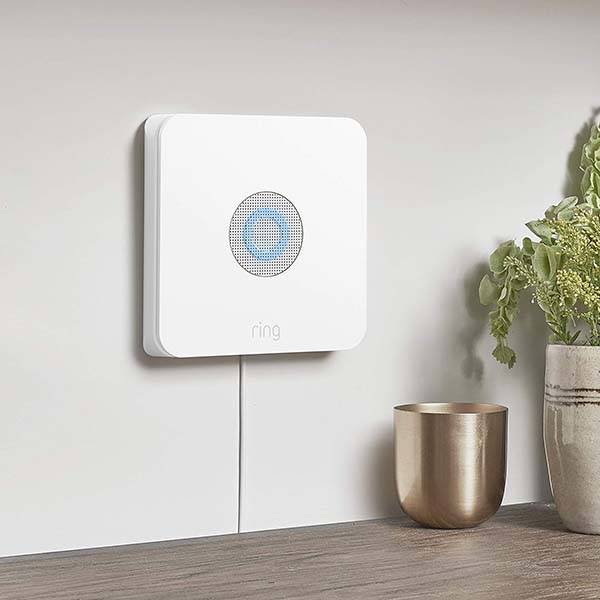
Compliance often entails registering your security system with relevant authorities or obtaining permits, especially if you plan to install advanced features like remote monitoring or automation. It’s wise to consult with certified professionals who are well-versed in local legislation, as they can help you adhere to regulations seamlessly. Remember, a well-executed alarm security installation not only fortifies your defenses but also respects the legal boundaries that safeguard your peace of mind.
To streamline the process, consider these key steps:
- Verify zoning restrictions and homeowner association guidelines.
- Secure necessary permits before installation begins.
- Ensure the alarm security system complies with South African standards and data protection laws.
By thoughtfully preparing and respecting legal parameters, your alarm security installation becomes a harmonious blend of safety, legality, and peace of mind—making your home truly resilient in an uncertain world.
Step-by-Step Guide to Alarm Security Installation
Hiring Professional vs DIY Installation
Alarm security installation is not a task for the faint-hearted or the overly ambitious DIY enthusiast. While the siren’s blare and flashing lights may seem straightforward, the devil lies in the details—details best left to the professionals or, at the very least, a well-informed homeowner willing to roll up their sleeves. According to industry experts, improperly installed alarm security systems can leave your home more vulnerable than a bank vault with a broken lock.
Deciding between hiring a professional or attempting a DIY alarm security installation boils down to a mix of confidence, technical prowess, and patience. Professionals bring a wealth of experience, ensuring that every sensor, camera, and alarm panel is correctly wired and optimally positioned. On the other hand, a DIY approach might save money initially, but it often results in misaligned sensors or overlooked vulnerabilities. For those considering the DIY route, here is a quick overview:
- Assess your technical skill level
- Gather all necessary tools and equipment
- Follow manufacturer instructions meticulously
- Test the system thoroughly before signing off
In the end, alarm security installation is an investment in peace of mind. Whether you choose the seasoned expertise of professionals or brave the challenge yourself, understanding the nuances can make all the difference in safeguarding your South African sanctuary. Trust the process, and your home will thank you for it!
Site Evaluation and Planning
Embarking on the journey of alarm security installation begins long before the first sensor is affixed—a meticulous site evaluation and planning phase that sets the foundation for a fortress of safety. In the dance of shadows and light, understanding the terrain of your property transforms into a strategic game of chess. It’s about envisioning the flow of movement, the blind spots that lurk in the shadows, and the vantage points from which guardians can oversee your sanctuary.
Start with a comprehensive walkaround, noting vulnerable entry points—doors, windows, and secluded corners—that demand vigilant coverage. A detailed site assessment reveals the optimal locations for sensors, cameras, and alarm panels, ensuring each element synergizes into a seamless web of protection. To streamline this process, consider creating a simple plan, perhaps even sketching a rough layout, to visualize the placement of your alarm security installation.
- Identify all potential access points and blind spots.
- Determine high-traffic zones that require heightened security.
- Assess the structural features that may influence sensor placement, such as walls, eaves, and overhangs.
- Plan the wiring routes, ensuring minimal exposure and maximum durability.
- Consult manufacturer guidelines for specific sensor and camera positioning.
By weaving these elements into a coherent plan, you craft a blueprint for effective alarm security installation, transforming technical tasks into a strategic act of safeguarding your haven—an art as vital as any lock or key. In this careful orchestration, confidence is born, and your home’s resilience is fortified against the unseen threats lurking beyond the shadows.
Installing Sensors and Detectors
Alarm security installation is more than just mounting sensors on a wall; it’s about creating an unbreakable barrier against intruders. The process begins with precise placement—each sensor, detector, and camera must be strategically positioned to maximize coverage and minimize blind spots. A well-executed installation can make the difference between a false alarm and a true alert, ensuring your home’s safety isn’t left to chance.
To ensure optimal performance, follow a step-by-step approach. First, identify the high-risk zones—entry points, secluded corners, and vulnerable windows. Then, according to manufacturer guidelines, install sensors at specific heights and angles to enhance detection accuracy. For example, motion detectors should be placed away from heating vents to prevent false triggers. When wiring your alarm security system, route cables discreetly to avoid tampering and damage.
- Begin with securing sensors at all entry points, such as doors and ground-floor windows.
- Position motion detectors in hallways and open areas where movement can be easily monitored.
- Ensure cameras cover key vantage points, especially those with blind spots or secluded areas.
This meticulous process transforms your security setup into an impenetrable web of protection, giving you peace of mind knowing your sanctuary is fortified against the unseen threats lurking beyond shadows. Alarm security installation isn’t just technical—it’s an art of strategic defense crafted to outsmart even the most cunning intruder.
Wiring and Connectivity
Wiring and connectivity are the lifelines of a robust alarm security installation, transforming a mere collection of sensors into an integrated web of protection. The process demands meticulous attention, ensuring each component communicates flawlessly—an essential step to thwart intruders before they even realize they’re being watched. A seamless connection between your sensors, control panel, and monitoring system guarantees alerts are swift and accurate, safeguarding your sanctuary with precision.
Start by carefully routing cables through concealed channels, avoiding any exposure that might invite tampering. Secure all wiring with durable fixtures, maintaining a neat, unobtrusive appearance that complements your home’s aesthetic. For added reliability, consider employing shielded cables that resist interference, especially in environments prone to electrical noise. This ensures your alarm security installation remains resilient, even under adverse conditions.
To streamline the process, follow an organized sequence—connect sensors to the control panel, then verify each link with a test routine. If your system includes wireless elements, ensure their signals are strong and unobstructed. Testing each connection before finalizing the setup not only confirms functionality but also provides peace of mind that your alarm system is truly fortified against intruders.
Remember, the art of alarm security installation lies in the details. Proper wiring and connectivity forge the backbone of a reliable security system, transforming technological potential into an unassailable fortress. When executed with care, your alarm security installation becomes a silent guardian, ever-vigilant in the shadows.
Setting Up Control Panels and Alarms
Setting up your alarm security installation begins with careful planning and a clear understanding of your home’s unique needs. Once you’ve evaluated your property’s layout, the next step is to focus on the control panel and alarms, the heart of your security system. Proper placement of the control panel ensures easy access and effective communication with all sensors and detectors.
To facilitate a smooth setup, follow a logical sequence: connect sensors to the control panel, then proceed to configure the alarm settings. Many systems allow for customizable alerts—so take your time to program them correctly, ensuring every zone is monitored accurately. During this process, testing each component is crucial; a quick alarm trigger test guarantees that your setup will respond reliably when it matters most.
In rural settings especially, wireless alarms can be a game-changer. Their flexibility allows for quick installation and easier adjustments. Remember, the success of your alarm security installation hinges on these precise steps—each connection, each test, bringing your home closer to unbreakable protection. When done with care, your alarm system becomes more than just a device; it transforms into a trusted guardian watching over your sanctuary day and night.
Testing the System
Testing your alarm security installation isn’t just a chore—it’s the moment when your fortress either stands tall or crumbles under scrutiny. Think of it as giving your home a final exam, where every sensor, detector, and control panel must pass with flying colors. Skipping this step is like leaving the front door wide open and hoping for the best—spoiler alert: not a good idea.
Begin by activating each component individually to confirm it responds as expected. This can be done with a simple walk-through, triggering motion detectors, opening doors, or waving a hand in front of window sensors. For added peace of mind, consider creating a checklist of zones to test systematically. Remember, it’s better to discover a faulty sensor now than during an emergency when it’s too late.
For a thorough assessment, an alarm security installation should include a quick, yet comprehensive, system test—think of it as a dress rehearsal for your home’s security performance. Many modern systems boast remote testing capabilities, making it possible to verify functionality without breaking a sweat. If you’re feeling particularly ambitious, some installers recommend a staged alarm trigger, where you simulate a break-in scenario to see if the alarm responds promptly and notifications are dispatched correctly.
- Verify control panel alerts and siren activation
- Test all wireless sensors for range and responsiveness
- Ensure alarm notifications reach your mobile device or security service
Remember, a well-tested alarm security installation isn’t just about ticking boxes—it’s about peace of mind. When every component responds reliably, your home transforms from a potential vulnerability into an unbreakable sanctuary, ready to face whatever comes knocking at the door.
Optimizing Your Alarm Security System
Strategic Sensor Placement
Effective alarm security installation hinges on strategic sensor placement, a step often underestimated in the process. Properly positioned sensors can drastically reduce false alarms while ensuring rapid detection of intruders. For optimal coverage, focus on entry points such as doors and ground-floor windows, where intrusion is most likely. High-traffic areas inside the home should also be equipped with motion detectors to monitor movement without invading privacy.
When planning your alarm security installation, consider the layout of your property. An unbalanced setup can create blind spots, making it easier for intruders to find vulnerabilities. To avoid this, utilize a combination of sensors and detectors in key zones. Here’s a quick overview of critical sensor placement:
- Entry points: Doors, ground-floor windows
- Perimeter: Driveways, fences, backyard gates
- Interior: Hallways, living rooms, staircases
Careful placement not only enhances security but also maximizes the lifespan of your alarm system components. Proper sensor positioning is the backbone of effective alarm security installation—get it right, and you strengthen your overall home security.
Integrating Smart Home Features
Envision a home where technology seamlessly melds with everyday life, creating a fortress of tranquility that whispers security rather than shouts it. Integrating smart home features into your alarm security system elevates this vision into reality, transforming your residence into a sanctuary that responds intuitively to your needs. The magic lies in the harmonious synchronization of sensors, cameras, and control panels, all working in concert to provide a fortified yet user-friendly experience.
To truly optimize your alarm security installation, consider integrating smart features such as remote access via smartphone apps, automated alerts, and voice control. These enhancements not only amplify security but also grant unparalleled convenience. For example, smart locks and doorbells can be programmed to communicate directly with your alarm system, creating a layered defense against intruders. When executed skillfully, this integration fosters a living, breathing security ecosystem—one that adapts and evolves with your lifestyle.
Incorporating advanced technology into your alarm security installation isn’t merely about adding gadgets; it’s about crafting a narrative of resilience and vigilance. And with the right combination of devices, you can elevate your home’s security, making it as impenetrable as the legendary citadels of old, yet as welcoming as your living room. Now, more than ever, the future of home security is a symphony of innovation and tradition—ready to guard your peace of mind with a touch of magic.
Ensuring Reliable Power Supply
Ensuring a reliable power supply is the backbone of a resilient alarm security installation. Without consistent electricity, even the most sophisticated system can become vulnerable, leaving your home exposed. In South Africa, where power outages and fluctuations are common, safeguarding your alarm system against such disruptions is crucial. A seamless power source ensures your alarm system remains vigilant, ready to alert you at a moment’s notice.
To fortify your security, consider integrating backup power solutions such as uninterruptible power supplies (UPS) or generators. These devices act as the silent guardians of your alarm security installation, stepping in when mains power falters. Additionally, regular maintenance and testing of your power sources ensure they function optimally during critical moments. Remember, a fortified alarm system isn’t just about sensors and cameras; it’s about establishing a continuous shield that adapts to the unpredictable rhythms of everyday life.
Routine Maintenance and System Checks
In the complex dance of safeguarding your sanctuary, routine maintenance and diligent system checks are the silent sentinels that uphold the integrity of your alarm security installation. Far too often, homeowners overlook the subtle yet vital need for regular inspections—yet, this oversight can unravel the very fabric of security you’ve meticulously woven. A comprehensive review of sensors, control panels, and connectivity ensures that each element functions in harmonious precision, ready to respond when most needed.
To truly optimize your alarm security system, consider implementing a structured maintenance schedule. This might include:
- Monthly testing of alarm sensors and detectors
- Periodic firmware updates for smart security components
- Inspection of wiring and power sources for signs of wear or damage
These proactive measures serve as the bedrock of resilience, transforming your alarm security installation from a passive shield into an active, vigilant guardian. Remember, a system that’s checked and maintained consistently is a testament to foresight—an unyielding barrier against the chaos of unforeseen disruptions.
Choosing a Security Installation Service
What to Look for in a Professional Installer
Choosing a security installation service is a decision that could define the safety of your home or business for years to come. In South Africa, where crime rates remain a concern, investing in professional alarm security installation is not just a smart move—it’s essential. A reputable installer brings more than just technical expertise; they understand the unique security challenges faced locally and can tailor solutions that truly protect your property.
When selecting a professional, look for a company with a proven track record and positive customer reviews. It’s also important that they are licensed and insured, ensuring your investment is protected. Consider asking about their experience with alarm security installation specific to your needs—whether it’s integrating smart home features or ensuring seamless connectivity.
Remember, a skilled installer evaluates your site comprehensively, offering insights into optimal sensor placement and system configuration. This attention to detail can make all the difference in creating an effective, reliable security system. Ultimately, partnering with a knowledgeable installer ensures your alarm security installation is executed flawlessly, providing peace of mind in an uncertain world.
Questions to Ask Before Hiring
Choosing the right security installation service is a decision that warrants careful consideration. When evaluating potential installers for alarm security installation, it’s crucial to ask the right questions. These inquiries not only ensure you’re partnering with a reputable professional but also help you understand their expertise and commitment to quality.
Start by inquiring about their experience specifically with alarm security installation. A seasoned installer will have insights into the latest technology trends and local security challenges. Don’t hesitate to ask for references or customer testimonials—these provide a window into their reliability and customer satisfaction.
Additionally, confirm that the company is licensed and insured; this protects your investment and gives peace of mind. It’s also worth exploring their approach to system customization—do they assess your property thoroughly and recommend optimal sensor placement?
Finally, ask about their post-installation support and routine maintenance services. A comprehensive approach to alarm security installation ensures your security system remains effective long after the initial setup, safeguarding your home or business in an uncertain world.
Cost Estimates and Service Packages
When it comes to securing your property, understanding the cost estimates and service packages for alarm security installation is crucial. A well-structured package can provide peace of mind without breaking the bank, but it’s essential to compare options carefully. Many reputable providers offer tiered packages that include everything from basic sensor setups to advanced smart home integrations, tailored to fit your specific security needs.
In South Africa, the landscape of alarm security installation varies widely, with some companies providing transparent pricing and others offering customized quotes based on site evaluations. It’s wise to request detailed proposals that specify the scope of work, equipment costs, and ongoing service fees. Some providers include routine maintenance and system upgrades within their packages, ensuring your security system remains robust against evolving threats.
To streamline your decision-making process, consider asking potential installers about their service packages. Do they offer flexible options? Are there hidden fees? Knowing the answers helps you avoid surprises and ensures your investment is protected. Remember, the right alarm security installation is more than just a one-time setup; it’s a long-term partnership in safeguarding your home or business.
Customer Reviews and Testimonials
In the shadowed corridors of security, the voices of satisfied clients echo like ghostly whispers—testimonials that illuminate the true essence of a reliable alarm security installation. When seeking a service provider, these narratives serve as the lanterns guiding your way through the labyrinth of choices.
Authentic customer reviews reveal the integrity and professionalism of alarm security installation companies. They speak of seamless setups, responsive support, and systems that withstand the creeping darkness of potential threats. Testimonials often highlight the importance of transparent pricing and clear communication, vital elements when entrusting someone with your sanctuary.
To aid in your quest, consider these pivotal aspects:
- How promptly did the installer respond to inquiries?
- Did they deliver on their promises and timelines?
- Is there a history of positive feedback regarding their after-sales support?
By immersing yourself in genuine customer experiences, you gain a layered understanding of the company’s true nature—an essential step in choosing the right partner for your alarm security installation. Remember, in this delicate dance of safety, reputation is the most trusted guardian.
Post-Installation Tips and Best Practices
Training and User Management
After completing your alarm security installation, ongoing user management and training become crucial to ensure the system’s effectiveness. A well-informed user can significantly reduce false alarms and improve response times, which is vital for maintaining security integrity. Proper training should encompass basic system operation, understanding alerts, and knowing how to respond during emergencies. It’s also wise to establish clear protocols for alarm activation and deactivation, especially for households with multiple users.
To maintain seamless operation, consider implementing a structured user management process. This includes regularly updating access codes, assigning roles for different users, and monitoring activity logs. By doing so, you can prevent unauthorized access and ensure that everyone understands their responsibilities in safeguarding the property. Remember, a comprehensive alarm security installation isn’t just about the hardware; it’s about empowering users with knowledge and control to maximize the system’s potential.
- Provide hands-on training sessions for all users
- Keep access codes confidential and change them periodically
- Maintain a log of system activity and user access
- Regularly review and update user permissions
Monitoring and Response Plans
Ensuring your alarm security installation remains effective long after the initial setup is crucial for maintaining a fortress of safety. Post-installation monitoring and response plans serve as the backbone of a resilient security system. Regularly reviewing activity logs and updating user permissions can prevent unauthorized access and keep your property secure. Implementing a structured response plan ensures everyone knows how to react during an emergency, reducing chaos and response times.
To make this process effortless, consider establishing a routine that includes hands-on training sessions for all users, keeping access codes confidential and changing them periodically, and maintaining a detailed log of system activity. These best practices not only enhance the security of your property but also empower users to act confidently when it matters most. Remember, an alarm security installation isn’t just about hardware — it’s about creating a vigilant environment where safety is a shared responsibility.
Updating and Upgrading Your System
Keeping your alarm security installation up-to-date is like giving your fortress a much-needed upgrade—because security technology doesn’t stay static for long. Regular updates and upgrades ensure your system stays ahead of the game, thwarting even the craftiest intruders. Think of it as evolving your digital knight to fend off newer, smarter villains.
One savvy approach is to schedule routine system reviews. During these check-ins, update firmware, reconfigure settings, and replace outdated sensors. This proactive stance prevents vulnerabilities that could be exploited by malicious actors. In fact, many security breaches happen not because of a flaw in hardware but due to neglected maintenance and upgrades.
- Stay informed about the latest alarm security installation innovations—smart alarms, AI-driven sensors, and integrated smart home features are game changers.
- Consult your security provider regularly to implement recommended upgrades or enhancements that bolster your system’s resilience.
- Don’t forget to back up your system configuration—think of it as a safety net if a firmware update doesn’t go as planned.
In the end, updating and upgrading your alarm security installation isn’t just about technology—it’s about maintaining peace of mind in a world where threats evolve faster than new memes. Stay vigilant, stay current, and keep your security system as sharp as a South African lion’s claws!
