
Understanding Alarm Panel Installation
What Is an Alarm Panel?
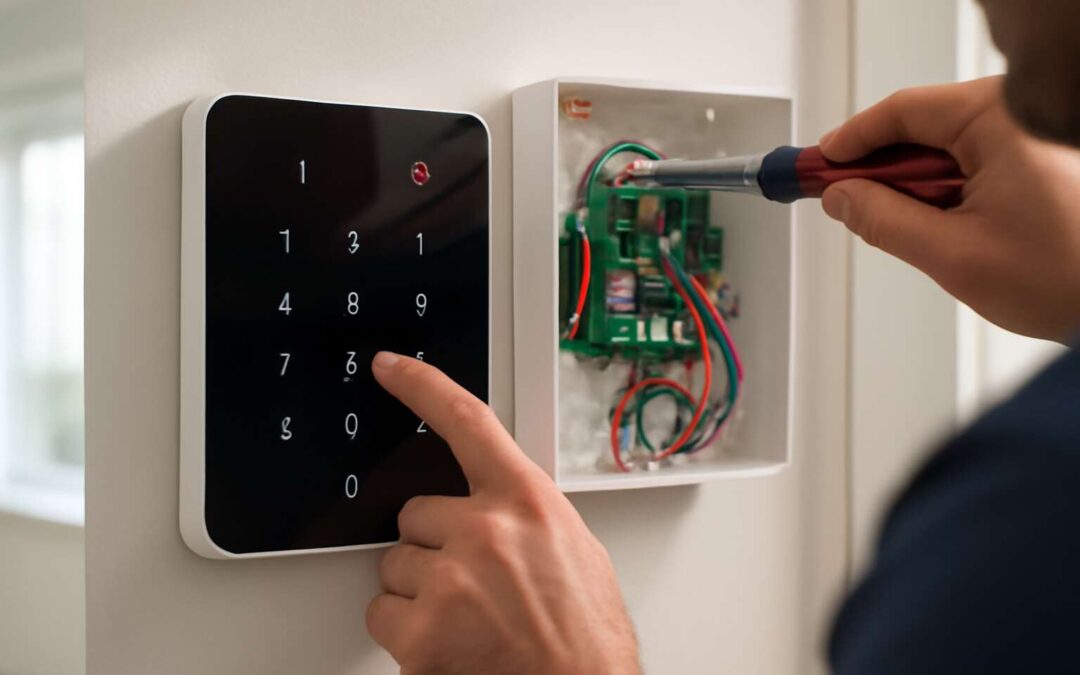
An alarm panel is often described as the brain behind your home security system, silently orchestrating the symphony of sensors, detectors, and alerts. It’s a vital component that transforms a series of disparate devices into a cohesive security network, offering peace of mind amid the unpredictability of daily life. In South Africa, where crime rates compel homeowners to seek robust security solutions, understanding alarm panel installation becomes more than just a technical task—it’s a strategic move to protect what matters most.

During alarm panel installation, careful consideration is given to the placement and compatibility of the panel with existing systems. This ensures seamless communication between sensors and the alarm itself. Typically, the process involves connecting the alarm panel to power sources, integrating wireless or wired sensors, and configuring the system for optimal performance. Whether you opt for a basic model or a sophisticated smart alarm panel, each piece plays a pivotal role in your security ecosystem.
For those unfamiliar with the intricacies of alarm systems, it’s helpful to know that modern alarm panels can support multiple zones, allowing for tailored security coverage across different areas of a property. This flexibility means you can customize your security approach, whether it’s safeguarding a single entrance or monitoring an entire estate. Truly, alarm panel installation is the foundation upon which a resilient security strategy is built, ensuring your home or business remains vigilant and protected at all hours.
Importance of Professional Installation
In the intricate dance of safeguarding a haven, the importance of professional alarm panel installation cannot be overstated. It’s not merely about plugging in devices; it’s about orchestrating a symphony where every sensor, wire, and signal plays in perfect harmony. When entrusted to seasoned experts, the installation becomes an art—ensuring that the alarm panel performs flawlessly, whispering security truths rather than shouting alarms of failure.
Choosing skilled installers guarantees that your alarm system’s backbone—its alarm panel—is set with precision. This meticulous process involves assessing the property’s unique vulnerabilities, selecting optimal placement, and ensuring seamless integration with existing security measures. Moreover, professional alarm panel installation minimizes future troubleshooting, as trained technicians anticipate potential pitfalls and preemptively address them. For homeowners and business owners alike, this is the foundation of a resilient, reliable security ecosystem—an investment that echoes through the quiet hours with unwavering confidence.
Types of Alarm Panels
Wired Alarm Panels
Wired alarm panels remain a popular choice for many homes and businesses in South Africa, thanks to their reliability and straightforward design. Unlike wireless systems, wired alarm panels rely on physical cables connecting sensors directly to the control unit, which can enhance security and reduce potential interference. These systems often appeal to those who prefer a no-nonsense approach to alarm security.
The installation process for wired alarm panels requires careful planning and precise setup, ensuring that all sensors and detectors are properly linked. For example, common components include door contacts, motion detectors, and glass-break sensors. When considering alarm panel installation, it’s crucial to understand that a well-installed wired system can be more tamper-resistant than wireless alternatives. This makes it an ideal choice for areas where security is a top priority.
- Durability in harsh environments
- Less interference from external signals
- Potentially lower long-term costs
Ultimately, choosing the right alarm panel hinges on the specific needs of the property and the expertise of the installer.
Wireless Alarm Panels
In the realm of modern security, wireless alarm panels shimmer like stars—untethered, seamless, and whispering of freedom from cumbersome cables. These systems offer a luminous alternative for those seeking flexibility and ease of installation, transforming the once intricate task into a swift, almost poetic process. Their elegance lies in the simplicity; installation becomes a matter of placing the panel and connecting sensors wirelessly, freeing spaces from tangled cords and unsightly wiring.
Wireless alarm panels excel in environments where adaptability is paramount, such as historic buildings or rapidly changing layouts. They also boast the advantage of less vulnerability to physical tampering, making them a resilient guardian in the shadows. When considering alarm panel installation, it’s vital to appreciate that these systems can be a symphony of convenience, combining cutting-edge technology with user-friendly operation. For those who crave a harmonious blend of security and sophistication, wireless alarm panels are undeniably a compelling choice.
Hybrid Systems
Hybrid alarm systems are redefining security by blending the best of wired and wireless alarm panels. They offer unparalleled flexibility, making them ideal for complex or historic buildings where a complete overhaul isn’t feasible. These systems integrate wired sensors with wireless modules, creating a seamless network that adapts to your environment.
During alarm panel installation, choosing a hybrid system means you get the reliability of wired connections and the convenience of wireless technology. This dual approach reduces installation time and minimizes disruption, especially in spaces where running cables is challenging.
Some hybrid alarm panels feature advanced control options, including remote access and customizable alerts. They can also support multiple sensor types, from motion detectors to window contacts, enhancing overall security. The versatility of hybrid systems makes them a popular choice for those seeking robust, scalable security solutions across South Africa.
Preparing for Alarm Panel Installation
Assessing Security Needs
In a world where security is often the first line of defense, understanding your unique needs is paramount before embarking on alarm panel installation. Recent statistics reveal that a well-designed security system can reduce break-in risks by up to 60%, highlighting the importance of tailored solutions. Every property holds its own story—some require sophisticated detection, while others benefit from simple, reliable coverage. Assessing your security needs involves more than just identifying vulnerable points; it’s about envisioning how your space functions and where threats might emerge.
Consider the layout of your property, the value of assets, and the number of entry points—these elements shape the alarm panel installation process. A comprehensive assessment also involves evaluating the potential for future expansion or integration with other security systems. To streamline this process, many professionals recommend creating a prioritized list of concerns, which might include:
- Number of entry and exit points
- Type of vulnerabilities (windows, doors, garages)
- Connectivity options for alarm panel installation
- Compatibility with existing security infrastructure
This careful evaluation not only enhances the effectiveness of the alarm system but also ensures that the security investment aligns seamlessly with your lifestyle and peace of mind.
Choosing the Right Alarm Panel
Preparing for alarm panel installation is an essential step that often gets overlooked—until the moment you realize your security system is as effective as a chocolate teapot. Choosing the right alarm panel makes all the difference, especially in South Africa’s diverse security landscape. A good starting point is understanding the connectivity options available, whether wired, wireless, or hybrid systems, to ensure seamless integration with your existing security infrastructure.
When selecting an alarm panel, consider features like remote access, user-friendly interfaces, and compatibility with smart home devices. To help narrow down choices, many experts recommend creating a shortlist based on your property’s vulnerabilities and future expansion plans. For example, if your property has multiple entry points or a large perimeter, an alarm panel with robust zone control and expandable capabilities is crucial.
Remember, the right alarm panel isn’t just about bells and whistles; it’s about tailoring your security system to fit your lifestyle—and that starts with careful preparation for alarm panel installation.
Gathering Necessary Tools and Materials
Embarking on an alarm panel installation journey is akin to preparing a delicate canvas for a masterpiece — every tool and material plays a vital role in ensuring the security masterpiece is both seamless and resilient. In South Africa’s vibrant security landscape, having the right equipment at your fingertips can mean the difference between a fortress and an open invitation. The first step is gathering essential tools that promise precision and durability, turning what might seem mundane into a symphony of security.
To set the stage for success, assemble a toolkit that includes a screwdriver set, wire strippers, a multimeter, and perhaps even a drill for mounting the alarm panel securely. Additionally, having the right materials such as high-quality wiring, connectors, and mounting brackets ensures that your alarm panel installation is not just functional but enduring. For those opting for wireless or hybrid systems, remember to include the necessary batteries and signal testers to verify connectivity. A well-prepared workspace fosters confidence and transforms what could be a daunting task into an empowering endeavor.
- Ensure all tools are in good working condition.
- Lay out your materials in an organized manner to streamline the process.
- Double-check the specifications of your alarm panel to confirm compatibility with your security system.
Step-by-Step Guide to Alarm Panel Installation
Installing Wired Panels
Embarking on the journey of alarm panel installation feels almost like conjuring a guardian from thin air—each wire and connection a thread in a tapestry of security. With the right approach, you transform a simple space into a fortress of calm and confidence. Interestingly, nearly 70% of break-ins are thwarted by visible security systems, highlighting the importance of a well-installed alarm panel. The process begins with a meticulous plan, ensuring your wired alarm panels are positioned for optimal coverage and ease of access.
Once the blueprint is set, installing wired panels involves a delicate dance of wiring and mounting. Carefully run cables through walls, taking care to avoid electrical interference and future damage. For those seeking precision, an ordered sequence often makes the process smoother:
- Turn off the main power supply to prevent accidental shocks.
- Mount the alarm panel securely on a wall, preferably near the main entry point.
- Connect the wiring harnesses, ensuring each wire is matched to its designated terminal.
- Power on the system and perform a thorough test to confirm all sensors and zones are responsive.
During installation, it’s vital to double-check connections and ensure the alarm panel installation adheres to local safety standards. This careful craftsmanship guarantees your security system functions seamlessly, creating a silent sentinel over your sanctuary that’s both reliable and resilient.
Setting Up Wireless Systems
Embarking on the journey of alarm panel installation—particularly setting up wireless systems—demands a blend of technical precision and an instinctive understanding of spatial harmony. The process begins with a clear understanding of your property’s unique security matrix, ensuring each device communicates seamlessly within the network. When installing a wireless alarm panel, meticulous placement is crucial; it’s not merely about proximity to power sources but about strategic positioning to maximize signal strength and minimize interference.
To facilitate a smooth installation, consider this sequence:
- Identify optimal mounting locations that cover all critical zones without obstructions.
- Ensure the selected site is within a reliable wireless range of sensors and devices.
- Securely mount the alarm panel, ensuring it’s accessible for maintenance yet discreet enough not to compromise security.
- Connect the system to a stable power source, preferably with an uninterruptible power supply (UPS) for resilience.
- Follow the manufacturer’s instructions to pair sensors and configure zones, ensuring each element functions in harmony.
Throughout this process, double-check signal strength and connectivity, especially in corners or areas prone to interference. Seamless alarm panel installation hinges on understanding the delicate balance between technology and environment—transforming your space into an unassailable sanctuary with every connection made thoughtfully and precisely.
Connecting Sensors and Devices
Connecting sensors and devices is a vital step in alarm panel installation, transforming a simple system into a vigilant guardian of your property. As you begin this process, it’s essential to approach each connection with patience and precision, ensuring every element communicates effectively. The key lies in understanding the layout of your space and placing sensors in strategic locations that cover all critical zones without creating gaps.
When installing sensors, consider their proximity to the alarm panel and potential sources of interference. Wireless alarm panels, in particular, depend heavily on a strong signal. To streamline this, you might follow this simple sequence:
- Pair sensors with the alarm panel according to the manufacturer’s instructions.
- Assign zones to each sensor, ensuring they correspond accurately to their designated areas.
- Test each connection individually, verifying signal strength and responsiveness.
Double-check all connections and placements, especially in corners or areas where signals may weaken. This meticulous approach guarantees seamless alarm panel installation, where each sensor acts as a vigilant sentinel, ready to alert you at the first sign of trouble. The harmony between technology and environment is what creates an unbreakable security network, offering peace of mind in every corner of your home or business.
Programming the Alarm Panel
Programming your alarm panel is where the true magic begins—transforming a collection of sensors and wires into a vigilant guardian of your sanctuary. With a few deliberate steps, you can unlock the full potential of your alarm panel installation, ensuring every zone is finely attuned to detect intrusions or emergencies.
Start by accessing the system’s configuration menu, often through a secure keypad or digital interface. This is where you assign each sensor to a specific zone, crafting an intricate web of safety across your property. For seamless operation, it’s vital to follow the manufacturer’s instructions carefully, especially when pairing wireless sensors or setting wired connections.
Next, proceed to program the response protocols—arming modes, entry and exit delays, and alarm notifications. Some alarm panels offer intuitive step-by-step guides, making this process straightforward. To ensure optimal performance, test each sensor’s responsiveness, verifying signal strength and reaction times. Remember, a well-programmed alarm panel not only detects threats but also communicates swiftly, giving you peace of mind that your security network is unbreakable.
Best Practices for Safe and Effective Installation
Placement Tips
Choosing the optimal placement for your alarm panel installation can be the difference between a quick response and a frustrating delay. In rural areas where every second counts, securing the right spot ensures your system functions flawlessly. It’s essential to avoid locations prone to extreme temperatures, humidity, or direct sunlight, which can impair sensitive components. Instead, opt for a concealed yet accessible position near main entry points, allowing easy access for maintenance without compromising security.
Ensuring the alarm panel is mounted on a sturdy wall, preferably away from potential tampering or accidental damage, enhances its longevity. Consider the wiring route—keeping cables tidy and protected from the elements not only preserves functionality but also maintains a neat appearance. Remember, a well-thought-out alarm panel installation prioritizes both security and durability, ultimately safeguarding your home and loved ones with precision and care.
Avoiding Common Pitfalls
In the realm of alarm panel installation, the path to a fortress of security begins with meticulous attention to safety and precision. A well-executed installation not only fortifies your defenses but also ensures the system’s resilience against the unpredictable elements of the wild landscape of South Africa. To master this craft, one must avoid common pitfalls that can compromise both performance and safety. For instance, improper wiring routes may seem trivial at first glance but can lead to long-term failures or costly repairs. Ensuring the alarm panel is mounted on a robust, tamper-resistant surface shields it from potential vandals or accidental damage, especially in more secluded settings.
During installation, consider a few strategic steps to enhance effectiveness. First, always test your connections thoroughly before finalizing placement. A simple but crucial practice involves
- double-checking the grounding of the panel
- securing all cables properly
- avoiding exposure to extreme temperatures or moisture
which can impair sensitive components. Furthermore, concealment paired with accessibility is vital—placing the alarm panel in a discreet location that remains easy to reach for maintenance ensures longevity without sacrificing security. These best practices for alarm panel installation serve as the foundation for a system that works flawlessly, guarding what matters most with unwavering dedication.
Ensuring System Compatibility
Ensuring system compatibility is the cornerstone of effective alarm panel installation, especially in South Africa’s diverse environment. Compatibility isn’t just about matching the alarm panel to your security needs; it’s about integrating the entire system seamlessly to avoid costly pitfalls down the line. A mismatched system can result in false alarms or missed detections—both of which undermine your safety and peace of mind. To achieve flawless alarm panel installation, carefully verify that all sensors, communication devices, and power sources are compatible with your chosen model.
One strategic approach involves creating a detailed checklist before beginning the installation. This list should include the specific protocols, voltage requirements, and communication standards your security system demands. Here’s a quick overview:
- Confirm compatibility with existing wiring infrastructure
- Ensure sensors and detectors match the alarm panel specifications
- Test communication modules for reliable data transfer
- Verify power supply and backup options are sufficient for uninterrupted operation
By meticulously cross-referencing these elements, you can prevent compatibility issues that often compromise alarm panel installation in challenging environments. Remember, a system that works harmoniously from the outset will serve as an unyielding shield against potential threats, safeguarding what matters most with unwavering precision.
Tips for Maintaining Your Alarm System
Regular Testing and Updates
Regular testing and updates are essential to keep your alarm system functioning optimally. An alarm panel installation isn’t a one-and-done task; it requires ongoing attention to ensure all sensors and features remain responsive and effective. Over time, software updates can patch vulnerabilities and improve functionality, making your system more reliable.
A simple but often overlooked tip is to schedule routine tests—monthly checks can reveal potential issues before they become costly repairs. During these tests, verify that sensors activate correctly and that the alarm responds as programmed. Additionally, keep an eye on firmware updates from your alarm system provider. These updates enhance security measures and compatibility with new devices, safeguarding your property against evolving threats.
For comprehensive security, consider implementing a maintenance checklist that includes testing, updating, and inspecting all components involved in the alarm panel installation. Staying proactive not only extends your system’s lifespan but ensures peace of mind in today’s unpredictable environment.
Battery Maintenance
Battery maintenance might not seem glamorous, but it’s the heartbeat of your alarm panel installation—without a healthy power source, the entire security fortress collapses faster than you can say “false alarm.” Regularly inspecting and replacing batteries ensures your system remains vigilant, even during power outages or surges. Think of it as giving your alarm system a much-needed energy shot—without it, sensors might go silent, and your property’s safety is compromised.
To keep things running smoothly, consider implementing a simple routine: check batteries monthly, especially in extreme weather when power fluctuations are common. If your alarm panel installation includes backup batteries, ensure they are charging correctly and hold a charge long enough to see you through the night. A little proactive effort now can save a lot of hassle later—because nothing ruins a peaceful night quite like a false alarm caused by dead batteries.
Here’s a quick tip: keep spare batteries handy, and don’t forget to label them with the date of purchase. Over time, batteries lose their punch, even if they look new. Incorporating this habit into your alarm system maintenance plan guarantees your security remains unwavering, no matter what the South African weather throws at you. After all, peace of mind isn’t just about high-tech alarm panel installation; it’s about ensuring every component, especially batteries, stays in top form.
Professional Servicing
Maintaining your alarm system isn’t just about flicking a switch or replacing batteries—it’s about preserving the integrity of the entire security framework. Professional servicing plays a crucial role in alarm panel installation because a well-maintained system can be the difference between a false alarm and real protection. Regular check-ups by a qualified technician can uncover hidden issues before they become costly problems, ensuring your alarm panel functions flawlessly when you need it most.
One effective approach is to schedule routine inspections, ideally every six months. During these visits, technicians will verify system compatibility, update software, and calibrate sensors—each a vital piece of the puzzle. Additionally, they can perform detailed diagnostics, identify potential vulnerabilities, and fine-tune the alarm panel installation for optimal performance. This proactive strategy not only extends the lifespan of your security equipment but also fortifies your peace of mind in South Africa’s unpredictable climate.
To simplify ongoing maintenance, consider creating a checklist that includes:
- Visual inspection of the alarm panel and wiring
- Testing each sensor and device for responsiveness
- Verifying backup power sources and batteries
- Updating software and firmware as recommended by the manufacturer
Engaging professionals for alarm panel installation and service might seem like an investment, but it’s an essential safeguard. Remember, a system left unchecked can become a liability rather than an asset, especially when faced with the unpredictable weather and power fluctuations typical in South Africa. Ensuring your alarm system remains in peak condition is the ultimate act of protection—because security isn’t just about installation; it’s about continuous vigilance.
Choosing a Professional Alarm Panel Installer
Qualities to Look For
Choosing a professional alarm panel installer is crucial for ensuring your security system functions flawlessly. A skilled technician not only brings technical expertise but also understands the unique challenges faced by rural communities in South Africa. Look for an installer with a proven track record in alarm panel installation, who demonstrates patience and a genuine commitment to understanding your specific needs.
A trustworthy installer should possess qualities such as meticulous attention to detail, clear communication skills, and a thorough understanding of local security concerns. Additionally, they should be familiar with the latest advancements in alarm panel technology, ensuring your system is both reliable and future-proof.
When selecting an alarm panel installer, consider asking for references or reviews from previous clients. This step helps verify their professionalism and the quality of their work. Ultimately, choosing the right expert means peace of mind—knowing your home or business is protected by a system installed with care and precision.
Questions to Ask
Choosing a professional alarm panel installer requires more than just a cursory glance at credentials. It demands a series of pointed questions that peel back the layers of expertise and integrity behind each candidate. When contemplating alarm panel installation, inquire about their experience with local security challenges specific to South Africa’s rural communities. An adept installer should demonstrate a nuanced understanding of these unique vulnerabilities, ensuring that the system is tailored precisely to your environment.
Ask about their familiarity with different alarm panel types—wired, wireless, or hybrid systems—and how they approach integration and future scalability. It’s equally vital to request references or reviews from past clients to gauge the installer’s reliability and craftsmanship. Remember, a meticulous professional will be transparent about their process, offering insights into placement techniques, sensor integration, and system programming.
By posing these critical questions, you safeguard your investment and pave the way for seamless alarm panel installation that genuinely fortifies your peace of mind.
How to Find Reputable Installers
Choosing a professional alarm panel installer in South Africa is not a task to be taken lightly. With the security landscape continuously evolving, finding a reputable installer who understands the specific needs of rural communities can make all the difference. Trustworthy professionals possess a keen insight into local vulnerabilities and tailor alarm panel installation to address those unique challenges.
To ensure you’re engaging with the best, look for an installer with proven experience and positive reviews. Ask about their familiarity with different alarm panel types—wired, wireless, or hybrid—and how they approach integration and scalability. A reliable installer will transparently discuss their process, from sensor placement to system programming.
By prioritizing these qualities, you not only safeguard your property but also foster a sense of peace that lasts long after the alarm panel installation is complete.
