
Understanding Wireless GSM Security Alarm Systems
Overview of Wireless GSM Security Alarm Systems
In the shadowed corridors of modern security, wireless GSM security alarm systems emerge as silent guardians, whispering promises of protection with every signal sent across the ether. These devices, cloaked in digital secrecy, harness the power of cellular networks to ensure your sanctuary remains unbreached, even when the lights are dim and the world outside is cloaked in darkness.
Understanding a wireless GSM security alarm system manual reveals a landscape where connectivity and reliability intertwine. Unlike traditional alarms tethered by wires, these systems operate on the invisible threads of GSM technology, offering unmatched flexibility and stealth. They are designed to communicate instantly with your mobile device, delivering alerts with an urgency that echoes through the night.
For those seeking to fortify their realm, familiarity with the core components—sensors, control panels, and GSM modules—is essential. Here is a glimpse into what makes these systems formidable:
- Remote monitoring capabilities via mobile networks
- Instant notification through SMS or calls
- Ease of installation and configuration
- Robust encryption to thwart malicious intrusions
Delving into the wireless GSM security alarm system manual is akin to unlocking a tome of arcane knowledge—each page revealing secrets that empower you to command your defenses with confidence and precision. In the shadows of South Africa’s unpredictable landscape, these systems stand as vigilant sentinels, ever watchful, ever ready.
Advantages of Using GSM-Based Alarms
GSM-based alarms are revolutionizing home and business security across South Africa, offering a seamless fusion of connectivity and vigilance. These systems harness the widespread cellular network coverage, making them incredibly reliable even in remote or rural areas where traditional wired alarms may falter. The beauty of a wireless gsm security alarm system manual lies in its detailed guidance, unlocking the full potential of these sophisticated devices.
One of the most compelling advantages of GSM alarms is their instant notification capability. Whether it’s an intrusion or a system fault, alerts are dispatched directly to your mobile device via SMS or calls, ensuring you’re always in the know—no matter where you are. This real-time communication transforms passive security into an active, vigilant sentinel.
Furthermore, the ease of installation and configuration makes GSM alarms particularly appealing. Without the need for complex wiring, even novice users can set up their systems swiftly. The wireless nature also means flexibility to expand or relocate sensors and control panels as your security needs evolve. The wireless gsm security alarm system manual provides a step-by-step roadmap, guiding you through setup, troubleshooting, and advanced features, ensuring your system remains robust and responsive.
In a landscape where security threats can be unpredictable, GSM alarms stand out with their resilience and adaptability. They often incorporate robust encryption, safeguarding your data from malicious intrusions, and providing peace of mind that your sanctuary remains protected. Truly, these systems are not just alarms—they are digital guardians watching over your world, with every signal a testament to modern innovation and unwavering reliability.
Key Components of a Wireless GSM Alarm System
Understanding the core components of a wireless GSM security alarm system is essential for unlocking its full potential. At the heart of these innovative systems lies a delicate dance of technology and design, seamlessly blending connectivity with vigilance. Each component plays a vital role in creating a resilient and responsive security network, especially in South Africa’s diverse landscape.
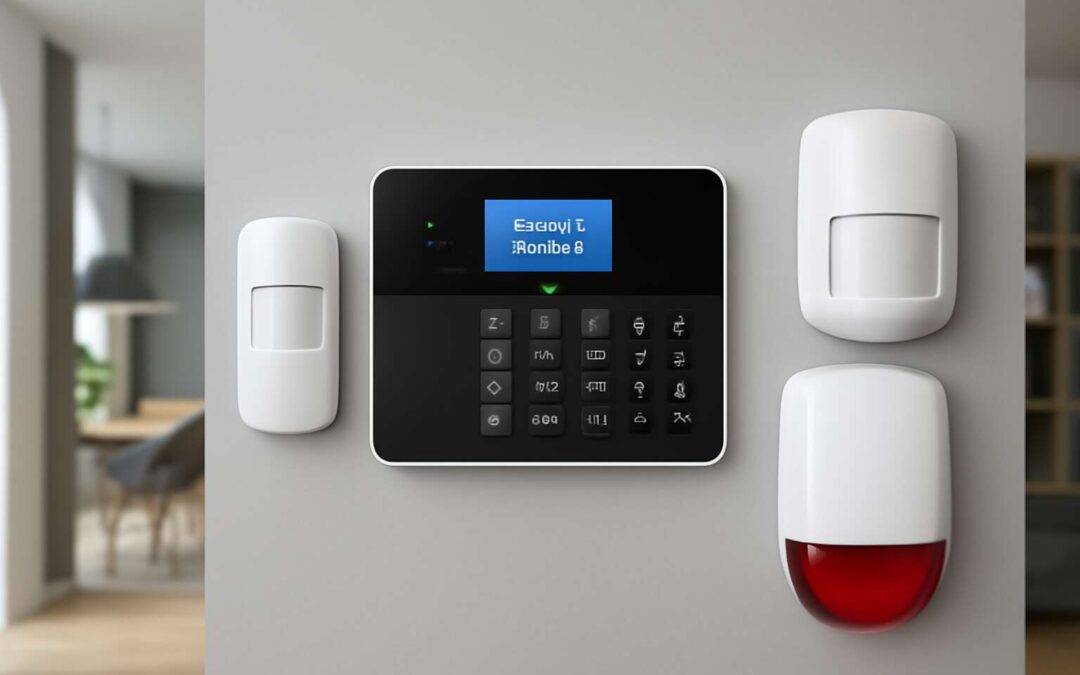
A typical wireless GSM alarm system comprises a central control panel, which acts as the brain of the operation, processing signals and managing responses. Surrounding this are various sensors—motion detectors, door/window contacts, and glass break sensors—that serve as the vigilant eyes and ears. The alarm system’s communication module, often integrated into the control panel, ensures real-time alerts via GSM network, sending SMS notifications or initiating calls. To facilitate easy operation and customization, the system also includes a user keypad or mobile app, allowing effortless configuration and monitoring.
For a comprehensive setup, the wireless gsm security alarm system manual often highlights these key components in an ordered sequence:
- Control Panel
- Sensors (motion, door/window, glass break)
- GSM Communication Module
- Power Supply and Backup Battery
- User Interface (keypad or mobile app)
By understanding how these parts interconnect, users can better appreciate the robustness and flexibility of wireless GSM security alarms, making them a formidable shield over your home or business in South Africa’s ever-changing security landscape.
Common Applications and Use Cases
Wireless GSM security alarm systems have become an integral part of safeguarding homes and businesses across South Africa, with their versatility and reliability often making them the first line of defense. These systems are not just mere gadgets; they are guardians woven into the fabric of modern security strategies, responding swiftly to threats and alerting property owners instantly. Their common applications extend beyond residential protection to include retail stores, office complexes, and remote farms where traditional wiring is impractical.
In real-world scenarios, a wireless GSM security alarm system manual guides users through various use cases, such as monitoring high-value assets or securing entry points in sprawling terrains. For example, motion sensors can detect movement in restricted areas, while door contacts alert homeowners when an entry point is breached. With GSM communication modules, alerts are delivered directly via SMS or calls, ensuring rapid response regardless of internet connectivity.
These systems are particularly vital in South Africa, where power outages and network disruptions can occur unexpectedly. The manual often emphasizes the importance of backup power supplies and robust communication protocols to maintain continuous vigilance. Whether for a small family home or a large commercial enterprise, understanding the common applications of wireless GSM security alarm systems unlocks their true potential as a resilient shield against intrusion.
Getting Started with Your GSM Security Alarm Manual
Unboxing and Initial Setup
Unboxing your wireless GSM security alarm system is like opening a portal to peace of mind. As you carefully lift the packaging, you’ll find a sleek control panel, sensors, and a user-friendly manual—your essential guide to unlocking the system’s full potential. This is where your journey begins, transforming an ordinary space into a fortress of safety. The wireless GSM security alarm system manual acts as your trusted companion, revealing step-by-step instructions to ensure seamless installation and operation.
Initial setup is surprisingly intuitive, yet paying close attention to the manual’s details can save you time and frustration. Here’s a quick overview of what to expect:
- Powering up the main control unit.
- Inserting the SIM card and configuring network settings.
- Pairing sensors and setting user codes.
With these steps, you’ll be well on your way to harnessing the power of a wireless GSM security alarm system, turning a simple manual into your gateway for a safer environment. Remember, the manual isn’t just instructions—it’s an invitation to master your security realm with confidence and clarity!
Required Accessories and Tools
Embarking on your journey with a wireless GSM security alarm system begins with gathering the right accessories and tools. The manual serves as your guiding star, but ensuring you have everything at hand makes the process seamless and almost magical. In South Africa, where security is paramount, equipping yourself properly transforms your space into a fortress of tranquility.
Typically, the required accessories include a compatible SIM card, power adapters, and the sensors that bring the system to life. To facilitate smooth setup, having a few essential tools—such as a screwdriver, network cables, and a smartphone for configuration—can expedite the installation process. Remember, a well-prepared setup doesn’t just ensure security but also enhances the longevity and reliability of your wireless gsm security alarm system manual.
- Control panel
- Sensors (door, motion, window)
- Power supply and adapters
- SIM card with active data plan
- Smartphone or remote control for programming
With these elements in place, your manual becomes a portal to unlocking the full potential of your security system, allowing you to craft an impenetrable sanctuary against any threat that lurks beyond the shadows. Each component plays a pivotal role, woven together through the instructions of the wireless gsm security alarm system manual, guiding you toward mastery of your personal security realm.
Safety Precautions and Handling Tips
In the realm of safeguarding your sanctuary, the wireless gsm security alarm system manual is more than just a document—it’s your enchanted map to peace of mind. Before delving into the intricate dance of installation and configuration, it’s vital to embrace a few safety precautions and handling tips. South Africa’s dynamic landscape demands vigilance, and your alarm system is the guardian of your peace.
First, ensure all power sources are disconnected before handling sensitive components. This simple step shields you from unforeseen electrical mishaps. When inserting the SIM card, handle it with care, avoiding static discharge that could impair its functionality. As you prepare to activate your system, remember that proper grounding and secure mounting are crucial for optimal performance and longevity.
To streamline your journey, consider this essential sequence:
- Review the wireless gsm security alarm system manual carefully to understand the safety instructions specific to your model.
- Use insulated tools when working with the control panel or wiring to prevent accidental shorts or shocks.
- Keep the manual and all accessories organized in a safe, dry place—this preserves their integrity and makes future troubleshooting effortless.
Handling your wireless GSM alarm system with care transforms an ordinary setup into a fortress of resilience. Each step, guided by the manual, ensures your security system performs flawlessly, creating an impregnable shield around your South African haven.
Installing Your Wireless GSM Security Alarm System
Preparing the Installation Site
Before diving into the world of wireless GSM security alarm system manual setup, a little groundwork goes a long way. Selecting the right installation site is akin to choosing the perfect spot for a selfie—location, location, location! You want to avoid placing sensors where they’ll be obstructed by furniture or curtains, as this could compromise the entire system’s efficacy. Think high, think strategic—near entry points but away from potential interference sources like thick walls or metal objects that can block GSM signals.
Now, for the fun part—preparing your installation site with a methodical approach. Consider making a quick checklist:
- Ensure power sources are accessible for the alarm’s control panel and sensors.
- Identify areas with strong GSM signal strength—use your phone to test different spots.
- Clear the space of clutter to facilitate easy wiring and attachment.
Remember, a well-prepared site not only streamlines installation but also ensures your wireless GSM security alarm system manual is followed without a hitch—saving you from future frustrations and false alarms!
Installing the Control Panel
Installing the control panel is the pièce de résistance of your wireless GSM security alarm system manual — the moment when all your meticulous planning truly begins to take shape. A well-positioned control panel ensures seamless communication between your sensors and GSM network, transforming your smart home into an impenetrable fortress. To optimize your setup, choose a location that’s both accessible and discreet, avoiding areas prone to interference or excessive dust. Remember, the control panel is the brain of your security system, so don’t shy away from testing its signal strength in various spots around your premises.
Once you’ve identified the ideal spot, follow a straightforward sequence:
- Securely mount the control panel on a sturdy wall, ideally near the main power source.
- Connect the device to power, ensuring that it has a reliable outlet and backup battery if necessary.
- Configure the system according to the wireless GSM security alarm system manual, paying attention to GSM signal parameters and network settings.
To further streamline the installation, consider using a level to ensure the control panel is perfectly aligned, and keep a small toolkit handy for any wiring adjustments. Remember, a strategic location not only simplifies future maintenance but also guarantees optimal GSM signal reception—crucial for alert notifications and remote access. With your control panel in place, the foundation for a trustworthy wireless GSM security alarm system is now firmly set, ready to defend your sanctuary from unforeseen threats with elegance and efficiency.
Setting Up Sensors and Detectors
Setting up sensors and detectors is where your wireless GSM security alarm system truly begins to come alive. These discreet guardians—motion detectors, door/window sensors, and glass-break alarms—are the silent sentinels that monitor every vulnerable point. Proper placement is critical; conceal them in strategic locations to cover high-traffic areas without triggering false alarms. Precision matters—mount sensors at the right height and angle to ensure maximum sensitivity and reliability.
To streamline the process, follow this simple sequence:
- Power off your system before installing new sensors to prevent accidental triggers.
- Secure sensors in optimal locations, away from potential interference or environmental hazards.
- Pair each sensor with the control panel, ensuring they communicate seamlessly via the wireless GSM security alarm system manual’s instructions.
Consider using a multi-meter or signal tester to verify sensor signal strength—weak signals can compromise security. Remember, the effectiveness of your alarm system hinges on thoughtful sensor placement, turning your setup into an unassailable fortress of protection. As you integrate these sensors, your wireless GSM security alarm system transforms from a simple device into a vigilant network guarding your sanctuary with unwavering resolve.
Configuring GSM Module and SIM Card
Embedding your wireless GSM security alarm system into your property isn’t just a simple plug-and-play task; it’s a calculated move that demands precision and care. The first step—installing the GSM module—can feel like unlocking a hidden door to an invisible fortress. Carefully insert the SIM card, making sure it’s correctly aligned with the contacts, then secure the module in its designated slot. This component acts as the nervous system, transmitting alerts and status updates everywhere from your phone to the central monitoring station.
To ensure seamless communication, consult the wireless GSM security alarm system manual for specific pairing instructions. Typically, these manuals recommend configuring the GSM module’s settings—such as network preferences and PIN codes—before powering up the entire system. Verify that the SIM card has active service, with sufficient balance and network compatibility, to prevent any blind spots in your security coverage.
Once installed, a simple yet critical step involves testing the signal strength. Use a signal tester or a multimeter to confirm that the GSM module is transmitting robustly—weak signals could compromise your security. Remember, every element in the wireless GSM security alarm system manual is designed to help you turn an ordinary alarm into an impenetrable network of vigilance.
Connecting Power Supply and Backup Batteries
Powering up your wireless GSM security alarm system is a pivotal moment — it’s when all the intricate components come alive, ready to shield your property. Connecting the power supply is straightforward but demands careful attention to detail. Ensure you use a reliable, surge-protected power source to prevent unexpected shutdowns. Backup batteries are equally vital; they act as the silent guardians during power outages, maintaining communication with the GSM network when least expected.
Typically, the system manual guides you through the process of installing these backup batteries. It’s often recommended to follow these steps:
- Connect the backup batteries securely to the designated terminals.
- Verify the battery capacity matches the specifications outlined in the wireless gsm security alarm system manual.
- Test the system’s response to power failure by unplugging the main power source — the alarm should switch seamlessly to backup power, ensuring uninterrupted security coverage.
Remember, a robust power setup, combined with reliable backup batteries, transforms an ordinary alarm into an unassailable fortress, ready to respond at a moment’s notice. Ensuring these elements are correctly installed according to your wireless gsm security alarm system manual is the key to consistent, fail-safe operation, especially in regions where power reliability can be unpredictable.
Testing the Installation
Once your wireless GSM security alarm system is installed, the next crucial step is testing to ensure everything functions seamlessly. Proper testing not only verifies that sensors and detectors are working correctly but also confirms the alarm’s communication with the GSM network. This process is vital for ensuring your property remains protected under all circumstances.
Begin by arming the system and then simulating common intrusion scenarios. Observe how the alarm responds and whether notifications are promptly sent via GSM. It’s equally important to check the backup power source; unplug the main power and confirm that the system switches to backup batteries without losing connectivity. This step ensures your security remains intact even during power outages.
For a thorough assessment, follow the steps outlined in your wireless gsm security alarm system manual. Some systems benefit from a systematic approach, such as:
- Activating each sensor individually to verify detection.
- Listening for audible alerts or sirens.
- Confirming notifications are received on your mobile device.
Testing helps identify potential blind spots or malfunctions before an actual security breach occurs. A well-executed test validates your system’s reliability, giving peace of mind that your property is defended at all times.
Configuring Your GSM Security Alarm System
Accessing the System Menu
Once your wireless GSM security alarm system is installed and powered up, the next step is to unlock its full potential by accessing the system menu. This is where the magic happens — configuring settings tailored to your unique security needs. According to industry experts, a well-adjusted GSM alarm can reduce false alarms by up to 80%, making precise configuration essential.
To access the system menu, typically, you will need to enter a default PIN code, often provided in the wireless GSM security alarm system manual. Once inside, navigate through intuitive options that allow you to customize alarm zones, set user access levels, and activate remote control features. For those unfamiliar with the interface, a simple step-by-step guide is usually included in the manual, guiding you through essential adjustments.
Keep in mind, the configuration process may involve:
- Connecting the alarm to your mobile device for remote management
- Setting up user codes and permissions
- Adjusting sensor sensitivity and alarm triggers
- Configuring notification preferences such as SMS alerts and calls
Setting Up User Codes and Access Permissions
Unlocking the true potential of your wireless GSM security alarm system begins with configuring user codes and access permissions—an act that transforms a static device into a vigilant guardian tailored specifically for your sanctuary. In the realm of security, precision is paramount; a single misstep in setting permissions can open unintended gateways, undermining the very fortress you seek to establish.
Within the pages of your wireless GSM security alarm system manual, you’ll discover the delicate art of assigning user codes—each a digital key that grants access, yet demands careful regulation. By establishing distinct access levels, you control who can arm or disarm the system, ensuring that only trusted individuals hold the power. This layered approach provides peace of mind, especially in environments where multiple users share the space.
To streamline this process, many manuals recommend creating a hierarchy of permissions—perhaps a master code for administrators, and limited codes for family members or staff.
- Set unique PINs for each user
- Define restricted zones or functions
- Regularly update codes to maintain security
Such measures make your wireless GSM security alarm system an impenetrable fortress, precisely tuned to your needs. In this dance of digital guardianship, every permission granted or withheld shapes the fortress’s resilience against intrusion, making configuration a vital chapter in your security journey.
Configuring Security Zones and Sensor Settings
Configuring your wireless GSM security alarm system is a pivotal step in fortifying your sanctuary. Once the control panel is installed, tailoring sensor settings and security zones transforms a generic system into a personalized fortress. This process allows you to designate specific areas—such as the main door, windows, or valuable rooms—as separate security zones, ensuring targeted alerts and quick responses.
In the wireless gsm security alarm system manual, you’ll find detailed instructions to fine-tune sensor sensitivity, set arming modes, and define access levels for each zone. When setting up sensors, consider environmental factors—like outdoor conditions—that might trigger false alarms. Additionally, establishing restricted zones prevents unauthorized tampering, creating a layered defense mechanism.
- Identify critical zones around your property
- Assign sensors to each zone accordingly
- Configure sensor sensitivity based on activity patterns
- Test each zone thoroughly to ensure accurate detection
With precise configuration, your wireless gsm security alarm system becomes an intelligent guardian, seamlessly integrating into your daily life while providing robust security. The manual acts as your compass, guiding you through the nuances of sensor calibration and zone management, ensuring every corner of your property is protected against intrusion.
Setting Alarm Modes and Automation Rules
In the realm of safeguarding your sanctuary, setting the right alarm modes and automation rules transforms a simple wireless GSM security alarm system into a vigilant guardian. Imagine a system that senses your routine, adapts seamlessly, and alerts you before intrusion even begins—this is the power of meticulous configuration. The wireless GSM security alarm system manual provides the blueprint to craft such an intelligent fortress.
By defining alarm modes—such as arm, disarm, or stay mode—you create tailored responses to different scenarios. Automation rules further elevate security by enabling your system to perform actions automatically, like activating outdoor lighting at dusk or sending instant alerts when a sensor detects unusual activity. To streamline this process, consider the following steps:
- Access the system menu through your control panel or mobile app.
- Navigate to the automation settings and select “Create New Rule.”
- Set triggers based on time, sensor activity, or user command.
- Assign corresponding actions, such as notifying your phone or activating alarms.
In South Africa’s dynamic environment, integrating these automation rules ensures your property remains protected round-the-clock, even when you’re away. The wireless GSM security alarm system manual acts as your trusted guide, revealing the art of configuring alarm modes and automation rules with clarity and precision. When done correctly, your system becomes an extension of your vigilant eye—ever-watchful, responsive, and unwavering in its duty.
Connecting to Mobile Devices and Apps
Connecting your wireless GSM security alarm system to mobile devices and apps transforms how you safeguard your home or business. With the right configuration, you can monitor your property from anywhere in South Africa, giving you peace of mind amid the country’s ever-changing environment. The wireless GSM security alarm system manual provides detailed instructions to facilitate this seamless connection.
Once your system is set up, accessing it via a smartphone app becomes straightforward. Typically, the process involves downloading the designated app, registering your account, and pairing it with your alarm’s GSM module. This empowers you to receive instant alerts, arm or disarm your security system remotely, and customize notifications based on your preferences.
To enhance your experience, many systems allow you to:
- View live camera feeds
- Adjust sensor sensitivities
- Set specific automation rules for different scenarios
By following the guidance in the wireless gsm security alarm system manual, connecting your alarm system to mobile devices becomes a reliable, user-friendly process. This integration ensures your property remains protected around the clock, whether you’re at home or miles away, reinforcing the safety and tranquility every South African homeowner deserves. The manual acts as your trusted companion, guiding you step-by-step to unlock the full potential of your wireless GSM security alarm system.
Establishing Communication with Monitoring Service
Establishing communication with a monitoring service elevates your wireless GSM security alarm system from a simple deterrent to an unwavering sentinel. In South Africa’s dynamic landscape, where security concerns are ever-present, this connection is vital. The wireless GSM security alarm system manual offers comprehensive guidance to facilitate a smooth integration with professional monitoring providers. By linking your alarm to a reliable service, you ensure rapid response times and enhanced protection for your home or business.
Typically, the process involves configuring your GSM module to communicate through a secure network, often via a dedicated SIM card with an active data plan. The manual details step-by-step procedures for establishing this link, including verifying signal strength and setting up communication protocols. Often, you’ll need to:
- Input the monitoring service’s contact details into the alarm’s settings
- Configure alert and response options for different alarm triggers
- Test the communication link to confirm stability and responsiveness
Through meticulous adherence to the wireless gsm security alarm system manual, you forge a seamless, resilient bridge between your system and a trusted monitoring service. This alliance ensures your property remains under vigilant watch, providing peace of mind amid the unpredictable rhythms of life in South Africa. The manual becomes an indispensable guide, illuminating each step with clarity and confidence, empowering you to harness the full potential of your security investment.
Operating Your Wireless GSM Security Alarm System
Arming and Disarming the System
Getting your wireless GSM security alarm system manual right is crucial for safeguarding your property. Once installed, arming and disarming the system becomes straightforward but must be done correctly to ensure optimal security. Many users overlook the importance of familiarizing themselves with the manual, which can lead to accidental disarmament or missed alerts.
To arm the system, simply enter your user code on the keypad or through the mobile app, depending on your setup. Disarming follows the same process, ensuring only authorized individuals can deactivate the alarm. For added security, consider setting different access levels or temporary codes for visitors. Remember, consistent operation is vital for reliable protection. If you encounter issues, consult the wireless gsm security alarm system manual for troubleshooting steps and detailed instructions. This manual is designed to guide you through every aspect of system control, ensuring peace of mind at all times.
Responding to Alarm Events
When the shadows lengthen and silence falls, the true test of your wireless GSM security alarm system manual lies in how you respond to alarm events. Each alert is a whisper from the darkness, demanding swift and deliberate action. Recognizing the different alarm signals—whether it’s a sudden siren or a muted alert on your mobile device—can mean the difference between safety and chaos.
In the event of an alarm, your instincts must be sharp. Typically, the system will notify you via SMS or app notification, prompting a quick response. Remember, the manual provides detailed instructions on how to interpret these signals and the subsequent steps to take. For instance, some alarms allow you to remotely disarm or activate specific zones, which can be vital when managing false alarms or verifying a threat.
- Check the alarm status immediately through your mobile app.
- Contact local authorities if the alarm signals a genuine breach.
- Use your user code to disarm the system, but only if you are certain of the situation.
Responding correctly to alarm events ensures your safety and maintains the integrity of your security setup. The comprehensive wireless gsm security alarm system manual is your trusted guide in these tense moments, offering clarity amid the chaos and peace of mind at all hours.
Managing Alerts and Notifications
Operating your wireless GSM security alarm system with finesse is like conducting an intricate symphony where every alert is a note that demands your attentive ear. In moments of heightened tension, managing alerts and notifications becomes an art—balancing swift action with calm clarity. The wireless GSM security alarm system manual guides you through this delicate process, transforming chaos into control.
When an alarm signals, whether through a piercing siren or a discreet notification on your mobile device, your response can shape the outcome of the situation. Familiarity with the manual ensures you recognize the significance of each alert, enabling you to act decisively. For example, some systems allow remote disarming or zone management—tools that can be pivotal in diffusing false alarms or verifying genuine threats.
To maintain seamless operation, always check your system’s status on your mobile app first. This quick glance can reveal whether an alert is a false trigger or a real breach. If it’s the latter, contacting local authorities promptly is essential. Remember, your wireless GSM security alarm system manual provides detailed instructions for interpreting signals and executing appropriate responses, empowering you to navigate tense moments with confidence and clarity.
Using Remote Control and Mobile App
Operating your wireless GSM security alarm system with a remote control and mobile app transforms security management into a seamless experience. The manual provides comprehensive guidance on how to leverage these tools effectively, ensuring you stay in command whether you’re at home or on the move. With just a few presses, you can arm or disarm your system, check sensor statuses, or modify alarm modes, all from the comfort of your smartphone.

The wireless GSM security alarm system manual emphasizes the importance of understanding your app’s interface. For example, many systems allow you to receive instant notifications if an alert is triggered—vital for quick decision-making. It’s advisable to familiarize yourself with features such as remote zone management and quick arming/disarming functions, which can prevent false alarms and ensure rapid response during emergencies.
To optimize your control, some systems incorporate a step-by-step setup for connecting your mobile device. This includes pairing the system with your app, setting user permissions, and configuring notification preferences.
- Remote arming and disarming
- Sensor status checks
- Alarm mode adjustments
. These features, detailed in the wireless gsm security alarm system manual, empower you to respond swiftly and confidently—turning technology into a steadfast safeguard for your home and loved ones in South Africa.
Integrating with Home Automation Devices
Integrating your wireless GSM security alarm system with home automation devices elevates your home security to unprecedented heights of sophistication. The wireless gsm security alarm system manual offers invaluable guidance on seamlessly connecting your alarm system to smart devices such as lighting, thermostats, and door locks. This synergy not only enhances convenience but also fortifies your home’s defenses against intruders. Imagine adjusting your security settings while relaxing at a South African vineyard or managing your lighting remotely—such modern luxuries are within reach.
For optimal integration, many systems feature intuitive interfaces that support a variety of automation protocols. You might find step-by-step instructions on pairing your alarm with voice assistants or configuring automation rules—an essential aspect for those who appreciate a touch of elegance in their security setup. Whether it’s scheduling arming times or setting sensor-triggered actions, the wireless gsm security alarm system manual ensures you harness these capabilities with finesse.
By embracing smart automation, your alarm system becomes more than just a deterrent; it transforms into a proactive sentinel, adapting seamlessly to your daily rhythms. This harmonious integration, detailed in the wireless gsm security alarm system manual, empowers homeowners across South Africa to enjoy peace of mind wrapped in the comfort of technological mastery.
Maintaining and Troubleshooting Your GSM Alarm System
Regular System Checks and Firmware Updates
In the shadowed silence of a home or business, the true guardians are often unseen—yet their vigilance depends on diligent maintenance and vigilant troubleshooting. A wireless GSM security alarm system manual is your sacred scripture, guiding you through the labyrinth of system checks and firmware updates that keep your fortress impenetrable. Regular inspections ensure that sensors remain responsive, signals stay clear, and no lurking fault escapes unnoticed. Firmware updates, like arcane rituals, serve to fortify the system against emerging threats and vulnerabilities, enhancing reliability and security.
For those who seek peace of mind, establishing a routine is paramount. Consider implementing a schedule for system checks, verifying power supplies, alarm zones, and communication pathways. Should anomalies arise—be it unresponsive sensors or communication failures—the manual provides troubleshooting pathways to swiftly diagnose and resolve issues. Remember, a well-maintained wireless GSM security alarm system manual is the key to unlocking unwavering protection, even in the darkest hours. Embrace these practices, and your security will remain steadfast, undeterred by time or threat.
Replacing Batteries and Accessories
Within the silent symphony of safeguarding, the resilience of your wireless GSM security alarm system hinges on the meticulous care of its core components. Batteries and accessories—though often overlooked—are the heartbeat of unwavering protection. Replacing batteries at regular intervals ensures sensors and control panels remain responsive, preventing silent failures that could compromise your fortress. An aging or depleted battery can weaken the system’s communication, leaving gaps in your security net.
For optimal performance, keep a close eye on the status indicators within your wireless gsm security alarm system manual. When the time comes to replace, follow these essential steps:
- Power down the device to avoid short circuits or damage.
- Carefully remove the old battery, noting its orientation and connector type.
- Insert the new accessory, ensuring proper alignment and secure contact.
- Power the system back on and perform a quick test to confirm functionality.
Additionally, periodically exchanging accessories such as sensors, sirens, or communication modules can fortify your security perimeter. Remember, the manual provides troubleshooting pathways—should communication falter or responsiveness wane, a swift replacement or recalibration can restore harmony. Maintaining your system’s integrity is a dance of vigilance and precision, as dictated by the wireless gsm security alarm system manual, ensuring your sanctuary remains an impregnable bastion in the shadows of uncertainty.
Troubleshooting Common Issues
Even the most advanced wireless GSM security alarm system manual can’t prevent all issues, but knowing how to troubleshoot common problems keeps your security tight. When your alarm isn’t responding, start with simple checks: ensure the SIM card is active and properly inserted. Often, communication failures stem from signal disruptions or low network coverage, especially in remote areas of South Africa.
Next, verify the power supply and backup batteries. A depleted battery can cause the system to become unresponsive. If sensors or sirens aren’t triggering, the manual suggests testing each component individually. Sometimes, recalibrating sensors or resetting the control panel restores proper function. For persistent issues, consult the troubleshooting pathways within your wireless gsm security alarm system manual. Addressing these problems swiftly ensures your security system remains vigilant, even when faced with technical glitches.
Resetting the System
In the intricate dance of safeguarding your sanctuary, the resilience of your wireless GSM security alarm system hinges on more than just installation—it requires vigilant maintenance and adept troubleshooting. A well-crafted wireless gsm security alarm system manual reveals the subtle art of resetting the system, an act that can often revive the pulse of your security network when it falters. Recognizing the importance of this procedure ensures that your defenses remain unbroken in the face of unforeseen glitches.
Resetting your system typically involves a sequence that reboots the control panel and recalibrates sensor connections. In many cases, a simple power cycle—disconnecting and reconnecting the power supply—can clear minor system errors. For persistent issues, consulting the troubleshooting section within your wireless gsm security alarm system manual provides step-by-step guidance, often detailing how to reset the GSM module or reinitialize the communication pathways. These steps are vital, especially in remote areas of South Africa, where network disruptions can compromise your alarm’s responsiveness.
When sensors or sirens refuse to trigger, it’s advisable to conduct a systematic check of each component. This can be achieved by following a straightforward process: test individual sensors, verify connections, and recalibrate where necessary. Addressing these issues with precision ensures your system remains vigilant, safeguarding what matters most. Remember, a proactive approach—rooted in the detailed instructions of your wireless gsm security alarm system manual—can transform a moment of vulnerability into fortified security.
Customer Support and Service Information
Maintaining and troubleshooting your wireless GSM security alarm system is essential to ensure continuous protection for your home or business. When issues arise, consulting the wireless GSM security alarm system manual can be a lifesaver, offering clear guidance on resolving common problems quickly. Customer support services are also invaluable—reliable support can help you navigate complex issues, from network disruptions to sensor malfunctions.
In many cases, troubleshooting begins with simple steps such as checking the power supply, verifying SIM card connectivity, or testing individual sensors. If these basic checks don’t resolve the problem, the manual often provides detailed instructions for resetting the GSM module or updating firmware. For persistent issues, contacting customer service ensures expert assistance, especially in remote areas of South Africa where network reliability can vary.
- Gather all relevant documentation, including the wireless GSM security alarm system manual and warranty information.
- Perform basic diagnostics following the step-by-step troubleshooting guides found in the manual.
- If necessary, reset the system to recalibrate components and restore communication pathways.
Keeping your system in peak condition requires regular checks and updates. Remember, a well-maintained wireless GSM security alarm system manual is your best resource—empowering you to troubleshoot effectively and maintain robust security defenses at all times.
Legal and Privacy Considerations
Compliance with Local Regulations
In the realm of security, compliance is not merely a bureaucratic hurdle but a vital safeguard for both installers and users of wireless GSM security alarm systems. South African regulations around surveillance, data protection, and telecommunications demand meticulous adherence, lest one faces hefty fines or, worse, a tarnished reputation. A comprehensive wireless GSM security alarm system manual emphasizes the importance of understanding local laws, especially concerning privacy and monitoring protocols.
For example, capturing footage or recording audio without explicit consent could land you in hot water, even if your intentions are purely protective. Therefore, integrating legal considerations into your setup process ensures that your security system remains both effective and compliant. Remember, respecting privacy is the cornerstone of trustworthy surveillance—after all, a well-informed installer knows when to draw the line and how to navigate the intricate landscape of South African legal standards.
Moreover, staying abreast of evolving regulations regarding wireless communication and data security is essential. Regularly reviewing your wireless GSM security alarm system manual ensures that your installation aligns with current compliance mandates, avoiding potential pitfalls that could compromise your security infrastructure. Ultimately, a diligent approach to legal and privacy considerations elevates your security system from merely functional to ethically sound and legally resilient.

Protecting User Privacy
In an era where digital privacy feels increasingly precarious, safeguarding user privacy within wireless GSM security alarm systems transcends mere compliance—it becomes a moral imperative. South African regulations surrounding surveillance and data protection are rigorous, demanding an unwavering commitment to ethical standards. A well-crafted wireless GSM security alarm system manual emphasizes the critical importance of understanding these legal frameworks, ensuring that every component of your setup respects individual rights without compromising security.
Protecting user privacy involves more than just adhering to laws; it requires a nuanced appreciation of the fine line between vigilant protection and intrusive monitoring. For instance, recording audio or capturing footage without explicit consent can inadvertently breach privacy laws, risking hefty penalties and damage to reputation. To navigate this landscape, installers must integrate legal considerations into each phase of deployment, from sensor placement to data storage protocols.
In South Africa, privacy isn’t just a legal requirement—it’s a trust that must be earned. A comprehensive wireless GSM security alarm system manual guides users through this complex terrain, ensuring that security measures remain both robust and ethically sound. Regular review of the manual guarantees ongoing compliance with evolving regulations, transforming a simple security device into a symbol of integrity and respect for personal boundaries.
Data Security Best Practices
In a landscape where digital borders are constantly tested, safeguarding user privacy within a wireless GSM security alarm system manual is more than just a legal obligation—it’s a moral duty. South African regulations surrounding data protection are stringent, emphasizing the importance of ethical considerations in security deployment. Every step, from sensor placement to data transmission, must align with these legal standards to ensure that privacy remains intact while maintaining robust security.
Legal and privacy considerations are woven into the very fabric of an effective wireless GSM security alarm system manual. It is essential for installers and users alike to understand that intrusive monitoring—like recording audio or capturing footage without explicit consent—can lead to severe penalties. To uphold integrity, follow these best practices:
- Secure data storage protocols that encrypt sensitive information.
- Limit access to system controls and data logs to authorized personnel only.
- Regularly review system configurations to stay compliant with evolving privacy laws.
In the realm of wireless GSM security alarms, data security best practices serve as the shield protecting user trust. Implementing robust encryption, maintaining detailed logs of access, and ensuring transparent user permissions are vital steps. These measures not only fortify security but also cultivate confidence, turning your alarm system into a symbol of respect for personal boundaries within South Africa’s regulatory landscape.
Additional Features and Upgrades
Integrating with CCTV and Video Surveillance
When weaving a tapestry of security, the addition of advanced features elevates the wireless GSM security alarm system to a level where vigilance becomes an art form. Imagine seamlessly integrating CCTV and video surveillance—transforming a simple alarm into a vigilant guardian that not only detects intrusion but also captures every shadow and whisper. These upgrades enhance the system’s prowess, providing real-time visuals that serve as both deterrent and evidence, creating a fortress of trust.
Modern wireless GSM security alarm systems manual often highlight compatibility options, allowing homeowners and businesses to connect their alarm to a network of surveillance cameras. This integration offers unparalleled peace of mind, as users can monitor their premises remotely via mobile devices, viewing high-definition footage at any hour. To ensure smooth operation, consider these elements:
- Wireless connectivity that allows effortless synchronization between alarm and CCTV devices.
- Smart notification systems that alert users of suspicious activity with images or video clips.
- Automation rules that trigger recording or alarms when specific sensors detect movement.
Such features are not merely upgrades—they are the evolution of security, transforming passive protection into a dynamic, interactive shield. When exploring the wireless gsm security alarm system manual, expect detailed instructions on how to seamlessly connect and configure these integrations, turning your security environment into a veritable digital fortress that guards with both sight and sound.
Adding Extra Sensors and Detectors
Enhancing your wireless GSM security alarm system isn’t just about the basics; it’s about pushing the boundaries of protection with additional sensors and detectors. These upgrades transform a standard system into an intelligent fortress that anticipates and reacts to threats with precision. From motion sensors that detect the slightest movement to glass break detectors that catch the faintest shatter, each component adds a layer of sophistication.
In the wireless GSM security alarm system manual, you’ll find detailed instructions on integrating these extra sensors seamlessly. Consider expanding your setup with options like smoke detectors, temperature sensors, or even flood alarms—each offering vital intelligence in crisis situations.
- Enhanced perimeter protection
- Early fire detection
- Environmental monitoring
These features ensure your property is guarded from every angle, providing peace of mind whether you’re at home or away.
Adding these detectors is more than an upgrade; it’s a transformation. The manual guides you through configuring each sensor for optimal performance, ensuring they communicate flawlessly via wireless GSM protocols. When every sensor works in harmony, your security environment becomes an unbreakable web—an unyielding safeguard that anticipates danger before it manifests.
Upgrading Firmware and Software
Keeping your wireless GSM security alarm system updated isn’t just about maintaining baseline functionality; it’s about harnessing the full potential of your security infrastructure. Upgrading firmware and software ensures that your system remains resilient against emerging threats and compatible with the latest technological advancements. These updates often include critical patches that close vulnerabilities, optimize sensor responsiveness, and enhance overall stability.
Many alarm systems now feature seamless firmware upgrades, allowing you to stay ahead of cyber threats without complex procedures. Here’s a quick overview of the process:
- Download the latest firmware from the manufacturer’s official website
- Connect your control panel to your PC or network via secure protocols
- Follow the step-by-step instructions outlined in the wireless gsm security alarm system manual
Regular updates not only bolster security but also add new features—like improved automation rules or enhanced remote access—making your system more adaptable to evolving needs. Staying current with software upgrades is a vital part of the ongoing security commitment, ensuring your alarm system remains a formidable safeguard for your property in South Africa’s dynamic environment.
Future Trends in GSM Security Alarms
As technology continues to evolve at a breakneck pace, the future of wireless GSM security alarm systems is poised to become even more sophisticated. Expect to see an influx of additional features designed to make your property safer and smarter. Innovations like AI-driven threat detection, enhanced automation, and seamless integration with smart home devices are no longer distant dreams—they are imminent realities. These upgrades promise to transform your existing wireless GSM security alarm system manual into a comprehensive blueprint for next-generation security.
Future trends also include increased reliance on encrypted communication protocols, ensuring your system remains resilient against cyber threats. As the landscape shifts, manufacturers are developing firmware and software upgrades that incorporate these advancements, keeping your alarm system not just current but cutting-edge. For those in South Africa, where security concerns are ever-present, staying ahead with these technological trajectories means peace of mind becomes an attainable certainty.
Moreover, many upcoming features will enable remote diagnostics and predictive maintenance, reducing downtime and ensuring your system performs flawlessly when it matters most. With such progressive upgrades, your wireless GSM security alarm system manual will serve as a gateway to harnessing these innovations—arming you with the tools to defend your property in an increasingly unpredictable world.
