
Capital Security is a Security system installation service establishment in Pietermaritzburg, KwaZulu-Natal, South Africa
Capital Security: Security System Installation and Asset Protection in Pietermaritzburg
Capital Security presents itself as a longstanding asset protection provider based in Pietermaritzburg, KwaZulu-Natal. Established in 1989, the company positions itself as more than a supplier of security products, emphasising that security is a process rather than a single product. The business highlights a broad range of capabilities across perimeter protection, access control, surveillance, and guarding, with a focus on integrated security solutions for both commercial and domestic environments.
On its profile, Capital Security describes a comprehensive service portfolio intended to cover multiple layers of security systems and personnel. Core offerings include the erection and maintenance of electric perimeter fencing and passive perimeter alarms, the installation and upkeep of surveillance equipment, and the deployment of access control systems and gate automation. These elements are designed to work in concert to provide layered asset protection, aligning with the company’s stated philosophy that effective security requires coordinated processes rather than stand-alone devices.
In addition to technical installations, the company operates a guarded security division. The expansion into guarding services in 2006 is presented as a response to client demand for a single supplier capable of delivering tailored security services. This integration enables clients to obtain access control, CCTV installations and maintenance, perimeter fence management, and reactive security staffing from one partner, rather than coordinating multiple vendors. The approach is framed around customisation, aiming to tailor services to the specific elements of risk, site layout, and operational needs of clients.
Capital Security maintains a visible commitment to accessibility and community employment. The business is described as BEE exempt and notes the appointment of physically challenged employees in CCTV control rooms, reflecting a broader corporate ethos of inclusion and workforce diversity. Leadership is presented as a family-addressed team approach, with named management figures responsible for different aspects of operations, from technical management to client relations and accounting. This structure is presented as a way to uphold ongoing customer service standards and reliability across the service delivery spectrum.
What Capital Security Offers
- Electric perimeter fencing installation and maintenance
- Passive perimeter alarms and domestic asset protection systems
- Installation and service of surveillance equipment, CCTV systems
- Access control systems and gate automation
- Armed response and guarding services (including reactive crew deployment)
- Asset protection and management solutions tailored to client needs
- Integrated security offerings spanning access control, guarding, CCTV, and perimeter management
The company’s materials also reference a broader capability set that encompasses transport security, data protection, defence training, and private security roles, though specific implementation details for these categories are not provided on the site. The emphasis remains on providing a safer, more controlled security environment through combined technology and personnel services.
Typical Projects and How Requests Work
Based on the available content, Capital Security presents a model in which projects combine multiple security disciplines to create a cohesive security solution. Typical engagements may include assessments of site security needs, installation of CCTV and access control systems, perimeter protection, and the deployment of guards as required. The goal is to deliver a seamless security programme through a single supplier that can tailor services to meet the elements of access control, surveillance installation and maintenance, perimeter management, and rapid response capabilities.
Practical Tips for Customers
- Clarify site requirements early: outline whether the project involves perimeter fencing, CCTV, access control, or guarding so the provider can tailor the solution accordingly.
- Ask about integration: inquire how CCTV, access control, and perimeter systems will interoperate and whether they offer remote monitoring or centralised management.
- Consider maintenance and support: confirm post-installation maintenance packages, response times for guarding services, and any 24-hour service commitments.
- Understand workforce approach: note the company’s stated commitment to inclusive employment and how that may influence staffing for larger sites or night-time coverage.
- Request a single-point of contact: given the integrated service model, a dedicated account or project manager can help coordinate activities across disciplines and ensure consistency.
Location and Local Reach
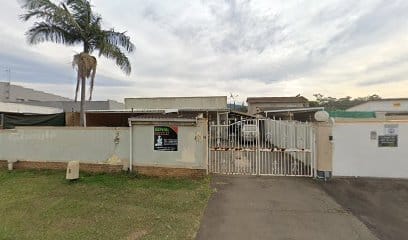
Capital Security is based at 48 Helston Road, Allandale, Pietermaritzburg, 3201, and serves the Pietermaritzburg area in KwaZulu-Natal, South Africa. The site emphasises round-the-clock service and a commitment to reliable, high-quality asset protection, positioning itself as a long-established local partner for both private and business security needs.
Pietermaritzburg
KwaZulu-Natal
South Africa
Sorry, no records were found. Please adjust your search criteria and try again.
Sorry, unable to load the Maps API.
Security System Installation Services in Pietermaritzburg, KwaZulu-Natal
In Pietermaritzburg, KwaZulu-Natal, security system installation services cover a wide range of protective solutions designed to safeguard homes, businesses and public-facing premises. Providers typically offer assessments, product selection guidance, professional installation, commissioning, and aftercare. The service landscape emphasises practical protection tailored to the local environment, taking into account factors such as climate, urban density, and travel patterns within the city and surrounding areas.
Common offerings include intruder alarms, CCTV surveillance and remote monitoring systems, access control for entrances and restricted zones, and fire detection equipment. For residential properties, alarm systems often feature door and window sensors, motion detectors, and keypad or wireless control interfaces. Commercial and SME customers may require more robust options, such as perimeter protection, higher-capacity recording systems, and integrations with existing security infrastructure. Where appropriate, systems are installed to comply with local regulations and best practice standards, with attention given to the installation’s aesthetics and nuisance deterrence.
Installation generally begins with a site assessment conducted by a qualified technician. This survey identifies vulnerabilities, entry points, and communication pathways, while noting electrical supply considerations and the practicality of cable routes. The assessor also considers the client’s daily routines, desired response times, and the level of automation sought. From this information, a tailored security plan is proposed, outlining the equipment mix, placement strategy, cabling approach, and any cabling concealment requirements to preserve the property’s appearance.
During installation, technicians install devices in specified locations, run wiring where necessary, and establish wireless connections where feasible. Modern systems often employ wireless components to minimise disruption and preserve aesthetics, though some installations still rely on hardwired elements for reliability and longer-term stability. The process includes configuring sensors, programming control panels, setting up user access codes, and connecting the system to monitoring or central control through appropriate communication channels. Where remote monitoring is selected, customers can expect guidance on setting up reporting and alert preferences.
Commissioning is a critical phase, ensuring that all components communicate correctly and that alarm transactions, camera feeds, and access controls respond as intended. Technicians test failure modes, verify sensor coverage, and confirm that alerts reach designated monitors or mobile devices. Clear documentation is typically provided, detailing device locations, system settings, and maintenance recommendations. Clients are advised on routine testing and safe custody of control credentials, as well as procedures to avoid false alarms and comply with any municipal regulations governing alarm notification services.
Factors unique to Pietermaritzburg and the broader KwaZulu-Natal region influence service considerations. Local climate, including humidity and seasonal weather, can affect equipment choice and mounting methods. Security providers may address common crime patterns in urban and suburban areas, offering solutions that balance deterrence with user convenience. Availability of skilled installers, service response times, and maintenance visit scheduling are practical considerations for organisations and households alike, along with pricing that reflects the scope of work and the complexity of the installation.
Clients can expect a transparent process that explains the rationale behind equipment recommendations, installation timelines, and post-installation support. Aftercare typically includes system testing, routine maintenance visits, and guidance on software or firmware updates where applicable. While the specifics of monitoring contracts and service levels vary, the overarching objective remains constant: to deliver reliable protection that aligns with the property’s layout, occupancy, and risk profile, without unnecessary disruption to daily operations or living spaces.